


Views: 192 Author: Site Editor Publish Time: 2025-10-02 Origin: Site


High-temperature air source heat pumps (ASHP) represent a cutting-edge solution for both heating and cooling, providing energy-efficient temperature regulation. With the growing need for sustainable energy solutions, these heat pumps have gained popularity due to their ability to operate effectively even in colder climates. But how do they work? What sets them apart from other heating systems? This article will delve deep into the workings of high-temperature air source heat pumps, the technology behind them, and the benefits they bring to homes and businesses alike.
A high-temperature air source heat pump is a system designed to extract heat from the outside air and transfer it into a building. Unlike traditional heat pumps that are typically designed for low to medium heating applications, high-temperature ASHPs are capable of reaching temperatures of up to 75°C (167°F) or higher. This makes them suitable for a wide range of heating applications, including radiators, underfloor heating systems, and domestic hot water supply.
At its core, a high-temperature ASHP works similarly to a traditional heat pump. It absorbs heat from the outside air, compresses the refrigerant to a high temperature, and then transfers the heat into the building. However, the key difference lies in the pump’s ability to produce much higher temperatures, making it versatile in colder climates or spaces that require higher temperatures for efficient heating.
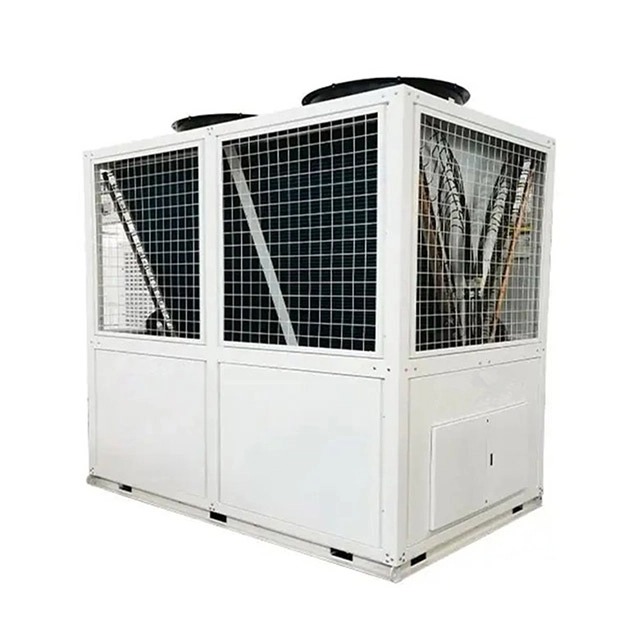
Understanding how a high-temperature air source heat pump works begins with grasping the principles of heat transfer. The system operates on the basic principle of refrigeration but in reverse. Here's a simplified breakdown of its components and operation:
Evaporation: The system draws in air from the outside, where heat is absorbed by the refrigerant fluid in the evaporator coil. This process occurs even in colder conditions, as the refrigerant is designed to absorb heat from the air at low temperatures.
Compression: The refrigerant, now in a gaseous state, is compressed by a compressor. The compression increases the pressure and temperature of the gas, which is then directed to the condenser.
Heat Transfer: In the condenser, the hot, high-pressure refrigerant gas passes through coils. These coils transfer the heat to the water or air inside the building. For water-based systems, the heat is transferred to a water tank, providing domestic hot water or feeding a radiator or underfloor heating system.
Expansion: After releasing its heat, the refrigerant is allowed to expand and cool, returning to its liquid state. It is then cycled back through the system to absorb more heat from the outside air.
This cycle repeats continuously, ensuring that the building remains warm and comfortable while consuming a fraction of the energy compared to traditional heating methods.
A major benefit of high-temperature ASHPs is their energy efficiency. They can produce several kilowatts of heat for every kilowatt of electricity consumed. The coefficient of performance (COP) for a high-temperature heat pump can range from 3 to 4, meaning for every unit of electricity used, 3 to 4 units of heat are generated.
High-temperature ASHPs are a more sustainable option compared to fossil-fuel-based heating systems, such as gas boilers. By utilizing renewable air energy, these heat pumps reduce the dependency on non-renewable resources and decrease greenhouse gas emissions.
Unlike standard heat pumps that typically only work with underfloor heating or low-temperature radiators, high-temperature ASHPs can deliver temperatures high enough for traditional radiators. This means they are suitable for retrofitting in homes that were previously heated with gas or oil boilers.
Because high-temperature ASHPs are highly efficient, they offer significant savings on heating bills over time. With energy prices on the rise, these systems can help homeowners and businesses cut down on their long-term energy costs.
High-temperature ASHPs tend to have a longer lifespan than conventional heating systems. With proper maintenance, these heat pumps can last upwards of 20 years, providing consistent performance over time.
While high-temperature ASHPs are efficient, several factors can influence their performance. These factors need to be considered for optimal system performance.
ASHPs extract heat from the air outside, and their efficiency can drop as the outdoor temperature decreases. However, high-temperature ASHPs are designed to function in colder climates, with some systems able to operate effectively even in temperatures as low as -20°C (-4°F).
The better insulated a building is, the more efficient the heat pump will be. Proper insulation reduces the heat loss in the building, allowing the heat pump to maintain a comfortable temperature without using excessive energy.
An incorrectly sized heat pump or poorly installed system can lead to inefficiency. It's crucial to match the heat pump's capacity with the heating requirements of the building to ensure optimal performance. A professional assessment is key to determining the right size.
Regular maintenance is essential for ensuring the longevity and efficiency of a high-temperature ASHP. Periodic checks, cleaning of filters, and system inspections will help maintain peak performance.

To understand the advantages of high-temperature ASHPs, it’s helpful to compare them with traditional heating systems.
| Feature | High-Temperature ASHP | Traditional Gas or Oil Boilers |
|---|---|---|
| Energy Source | Renewable (Air) | Fossil Fuels (Natural Gas, Oil) |
| Efficiency | High (COP of 3 to 4) | Moderate (80-90% efficiency) |
| Installation Complexity | Moderate (Requires Professional Setup) | Moderate (Requires Gas Line) |
| Environmental Impact | Low Carbon Footprint | High Carbon Emissions |
| Operating Costs | Low (energy savings) | Higher (Fuel costs) |
| Maintenance | Low (Occasional Servicing) | High (Annual Servicing) |
As seen in the comparison table, high-temperature air source heat pumps stand out for their superior efficiency and lower environmental impact, making them a smart choice for sustainable heating.
It’s essential to place the outdoor unit of the heat pump in a location where it can receive adequate airflow. Areas with minimal obstructions, like fences or dense foliage, should be avoided to ensure optimal performance.
Although high-temperature ASHPs are generally quieter than traditional combustion-based heating systems, the outdoor unit may still produce some noise. Choosing a model with low noise output or placing the unit away from living areas can help minimize disturbances.
High-temperature air source heat pumps provide an efficient, sustainable, and cost-effective solution for heating buildings, even in colder climates. Their ability to reach higher temperatures allows them to work with traditional heating systems, making them ideal for homes or businesses looking to transition away from fossil fuels. While they come with some initial installation costs, the energy savings and environmental benefits make them an excellent long-term investment. With proper maintenance and installation, high-temperature air source heat pumps can provide reliable, high-performance heating for many years.
1. Can a high-temperature air source heat pump be used in very cold climates?
Yes, high-temperature air source heat pumps are designed to operate effectively even in temperatures as low as -20°C (-4°F), though their efficiency may decrease as the temperature drops.
2. How long does a high-temperature air source heat pump last?
With proper maintenance, a high-temperature air source heat pump can last for over 20 years.
3. Is it worth switching to a high-temperature air source heat pump from a gas boiler?
Yes, switching to a high-temperature air source heat pump can significantly reduce your carbon footprint and lower energy costs in the long run, despite higher upfront installation costs.
4. Are high-temperature air source heat pumps noisy?
Modern high-temperature air source heat pumps are relatively quiet, though the outdoor unit may generate some noise. Placement away from living areas can minimize disturbances.
5. How much energy can a high-temperature air source heat pump save?
High-temperature air source heat pumps can save up to 50-70% on heating bills compared to traditional heating methods, depending on the system's efficiency and the building's insulation.


