Please Choose Your Language


Views: 0 Author: Site Editor Publish Time: 2025-11-17 Origin: Site


A Water Source Heat Pump (WSHP) is a versatile HVAC solution. It uses water loops to provide heating and cooling efficiently. Correct placement of WSHPs is crucial for energy savings and system longevity. Understanding where to install water source heat pump ensures optimal performance and maintenance access. Proper location reduces energy loss and maintenance costs.
WSHPs in homes and apartments are designed with compactness and quiet operation in mind, allowing them to integrate smoothly into limited living spaces. They are commonly installed in basements, mechanical closets, utility rooms, or on rooftops when space inside the building is restricted. In high-rise residential towers, mechanical rooms on each floor or centralized equipment zones are preferred to streamline loop distribution, reduce pipe lengths, and simplify system balancing.
These placements enable homeowners to enjoy precise individual zone control, ensuring each unit or apartment can independently adjust temperature without affecting neighboring spaces. Locating units away from living areas also minimizes noise transmission, creating a more comfortable indoor environment. Additionally, strategic placement allows technicians to perform routine maintenance—such as filter replacements, coil cleaning, and drain inspections—quickly and efficiently. Always prioritize easy access for filter and coil cleaning to prevent performance degradation and unnecessary energy consumption.
Commercial spaces—including offices, hotels, schools, and mixed-use facilities—rely heavily on WSHP systems to deliver flexible, multi-zone heating and cooling across diverse occupancy patterns. In these environments, WSHPs are frequently positioned in suspended ceilings, where they remain hidden from view while maintaining convenient service access through ceiling panels. Larger commercial buildings may utilize central mechanical rooms to house multiple units in a controlled environment, improving noise management and maintenance workflow.
Another common placement is within vertical riser closets, which provide vertical distribution of conditioned air and water loops between floors. This configuration helps maintain aesthetic consistency across office floors and optimizes the building’s spatial layout. When determining where to install water source heat pumps in offices, designers must evaluate pedestrian traffic paths, acoustic requirements, and proximity to working areas to avoid disturbing occupants with vibration or operational noise.
In industrial settings such as factories, logistics hubs, data centers, and warehouses, WSHPs must withstand heavier loads and operate under more demanding conditions. These spaces typically allocate dedicated mechanical rooms to house heat pump units securely, ensuring that the machinery remains isolated from production areas while maintaining stable operating temperatures. For processes requiring continuous cooling or heating, WSHPs are commonly installed near centralized water loop infrastructure to maximize energy transfer efficiency and reduce pumping power.
Large industrial buildings also take advantage of open spaces—such as equipment platforms, mezzanines, or service zones—where ample clearance supports easy inspection of coils, compressors, valves, and electrical components. This accessibility is essential for minimizing downtime, especially in environments where HVAC performance directly impacts production output or product quality.
To streamline maintenance, it is often recommended to group WSHP units by function or zone, enabling technicians to diagnose issues quickly and manage repairs without disrupting adjacent process areas. This systematic approach enhances operational reliability and supports long-term equipment longevity in demanding industrial workflows.
Short pipe runs reduce energy loss and help maintain consistent water temperatures throughout the system. When WSHPs are installed too far from the loop, pumping power increases and operational efficiency drops. For closed-loop systems, minimizing the physical distance between the WSHP and the water source is essential to ensure stable performance. Before installation begins, teams should map the entire loop route, anticipate elevation changes, and confirm the feasibility of pipe routing to avoid costly redesigns later.
WSHP units must be positioned where technicians can easily access filters, coils, valves, and electrical components. Routine tasks like coil cleaning and filter replacement directly affect heat transfer efficiency, so any obstruction increases operational risk and downtime. Crowded mechanical closets or ceiling cavities can complicate repairs, leading to higher service costs. Ensuring sufficient clearance around each unit improves safety, speeds up maintenance, and supports long-term reliability.
Mechanical noise, especially from compressors and fans, can disrupt occupants in offices, hotels, or residential units. To control this, WSHP installations should include vibration isolators, anti-resonance mounts, and acoustic barriers. In areas where people work or sleep, additional insulation around the unit can significantly reduce sound transmission. Proper noise control not only enhances comfort but also aligns with building acoustic standards, preventing future complaints or retrofits.
The design of the building—high-rise versus low-rise, centralized versus distributed HVAC systems—directly influences the ideal placement of WSHPs. High-rise structures often rely on vertical riser closets, while low-rise buildings may prefer mechanical rooms or ceiling-mounted units to save floor space. Architects and engineers must coordinate early to ensure WSHP placement aligns with structural load limits, duct routing and space constraints. Good coordination prevents conflicts during installation and ensures optimal airflow distribution.
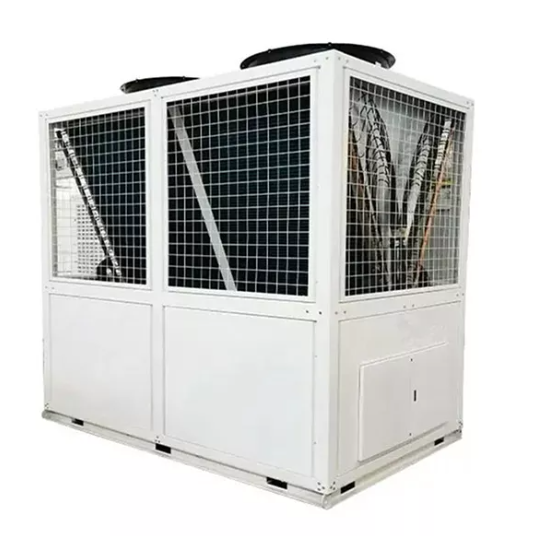
In cold climates, WSHPs should be installed indoors or in temperature-controlled spaces to prevent freezing damage. Insulated piping becomes essential to protect water loops from heat loss as temperatures drop. If units are placed in unheated basements or exterior rooms, the risk of freeze-related failures increases sharply. Ensuring a stable thermal environment around the system preserves efficiency and reduces emergency service calls during winter peaks.
In warm or tropical regions, rooftop or outdoor WSHP installations must avoid direct sunlight and ensure continuous ventilation. Overheating can cause compressor strain, shorten equipment life, and reduce cooling capacity. Proper shading, spacing between units, and optimized airflow patterns help maintain stable operation. Designers should evaluate prevailing wind directions, reflective surfaces, and rooftop heat accumulation to guarantee consistent performance throughout the year.
For open-loop WSHP systems, a reliable and clean water source is essential. Fluctuating water levels or poor water quality can introduce scaling, corrosion, and fouling, compromising system efficiency. Water treatment systems, such as filtration or chemical dosing, may be necessary before connecting to the heat pump. Testing water quality early in the project prevents long-term issues and ensures compliance with environmental regulations.
Thoughtful WSHP placement shortens loop distances, reduces pumping energy, and enhances heat exchange efficiency. When water loops are balanced and units positioned strategically, the system maintains stable temperatures with minimal energy waste. This optimization directly contributes to lower utility bills and improved system output. Proper planning during the design phase ensures the heat pump operates at peak performance across seasonal variations.
Placing WSHPs in accessible, well-ventilated locations reduces routine maintenance requirements and minimizes unexpected service disruptions. Buildings can cut operational costs through improved system stability and easier repairs. Overhead or rooftop installations can free valuable interior space for tenants or equipment. By reducing mechanical complications and simplifying service access, owners benefit from both immediate savings and long-term cost control.
Strategic placement shields WSHPs from damaging environmental conditions such as extreme heat, moisture, or corrosive air. Units protected from these stressors tend to operate more consistently and last significantly longer. Considering future expansions or system upgrades during initial placement also prevents costly relocation or redesign work. A stable and well-planned setup ensures that WSHPs deliver reliable performance throughout their lifecycle.
Urban construction often struggles with limited mechanical space, requiring innovative solutions such as stacked mechanical closets, compact rooftop arrangements, or units hidden within suspended ceilings. Each option must still provide adequate ventilation and maintenance access. Modular WSHP systems become especially valuable in retrofit projects where space is limited, allowing flexibility without compromising performance.
Retrofitting WSHPs into older buildings requires careful assessment of existing ductwork, electrical capacity, and water loop layouts. Mismatches between old and new components can reduce system efficiency or demand substantial modifications. Conducting a full survey ensures compatibility and prevents unexpected installation delays. Proper integration supports smooth operation and maximizes return on investment.
Local regulations may restrict the use of water sources, limit rooftop equipment placement, or require environmental permits. These rules vary widely by region, making compliance a key part of project planning. Early review of codes helps avoid project delays and costly redesigns. Ensuring full regulatory alignment protects the project timeline and guarantees long-term operational approval.
Experienced HVAC engineers bring expertise in loop design, building load analysis, vibration control, and system efficiency. Their involvement early in the project allows teams to avoid design conflicts and optimize equipment placement. For large buildings or multi-zone systems, professional guidance ensures reliability, scalability, and alignment with performance targets.
A thorough site assessment looks beyond basic dimensions—it evaluates airflow patterns, pipe routing options, electrical load, water access, and safety considerations. Documenting all potential WSHP locations enables project teams to compare installation difficulty, long-term performance, and maintenance accessibility. A well-studied site ensures fewer change orders and more predictable system behavior.
Placement decisions should look beyond immediate convenience to consider future building expansion, occupancy changes, and evolving HVAC needs. Installing WSHPs in adaptable locations protects against future inefficiencies and unnecessary upgrades. Planning with long-term performance in mind ensures the system remains scalable, reliable, and cost-effective for many years.
Correct placement of Water Source Heat Pump units ensures energy efficiency. It reduces costs and extends equipment life. Residential, commercial, and industrial sites differ. Site assessments, expert advice, and maintenance planning are key. Leomon Technology offers solutions that maximize performance and value.Strategic WSHP placement improves efficiency and comfort.
A: A Water Source Heat Pump uses water loops to provide efficient heating and cooling.
A: Install it near water access and in areas allowing easy maintenance and airflow.
A: Correct placement ensures energy efficiency, system longevity, and lower operating costs.


