Please Choose Your Language


Views: 0 Author: Site Editor Publish Time: 2025-12-05 Origin: Site


When you ask how long does it take to heat a pool, the answer depends on several factors. You might heat a swimming pool in as little as 8 hours or it could take several days. The type of pool heater, pool size, weather, and use of a cover all affect how long to heat a pool. For example, gas heaters usually heat the pool faster than heat pumps or solar systems. Here is a quick look at average pool heating time for a 20°F increase:
Heater Type | Time for 20°F Increase |
|---|---|
Gas Heater | 8–14 hours |
Electric Heat Pump | 24–72 hours |
Solar Heater | Several sunny days |
A pool cover can help heat a pool faster by keeping warmth in. If you want to estimate how long your pool will take to warm up, consider these factors and the type of heater you use.
How fast your pool heats up depends on a few things. The type of heater, the size of the pool, and the weather all matter. Gas heaters heat pools the quickest. Solar heaters take more time to warm the water.
A pool cover can help heat your pool faster. It keeps the heat in the pool. It also stops water from evaporating. This saves energy and money.
Pick a heater that fits your pool size and what you need. A heat pump uses less energy. It is good if you want steady heat.
Heat your pool when the weather is warm for best results. Sunlight and warm air help the heater work better.
Take care of your pool heater to keep it working well. Clean the filters often. Check for leaks to make sure it heats fast.
Picking the right pool heater helps you get warm water faster. Every heater works in its own way and heats at different speeds. You should learn how each heater works before you choose one.
Gas pool heaters use natural gas or propane to heat water fast. If you want quick heat, this is a good choice. Gas pool heaters can warm a medium pool by 10°F in less than 8 hours. To raise the temperature by 20°F, it takes about 8–14 hours. This heater is great for pools that need fast heating, especially in cold weather.
Tip: Gas pool heaters are best if you only use your pool sometimes or need quick heat for a party.
Heat pump pool heaters use electricity to move heat from the air or water into your pool. This heater saves energy and costs less to run. A heat pump can warm your pool by 10°F in 24–48 hours. For a 20°F rise, it may take 24 to 72 hours. The time depends on the weather and pool size.
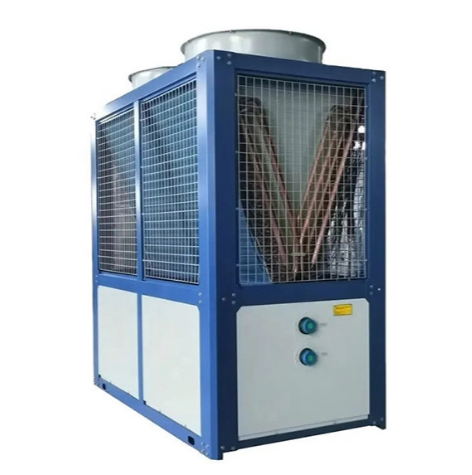
We have advanced heat pumps like the Leomon Water Source Heat Pump. It uses water nearby for better efficiency. Our heat pumps have high CoP ratings, so you save energy and get steady heat. If you want a green and cheap heater, our heat pump pool heaters are a smart pick.
Pool Heater Type | Heating Speed (°F per hour) | Full Heating Time |
|---|---|---|
Gas Pool Heaters | 1–1.5 | Less than 8 hours for 10°F |
Heat Pump Pool Heaters | 0.5–1 | 24–48 hours |
Solar Pool Heaters | 0.2–0.5 | Several days |
Electric Resistance Heaters | 1 | Fast for small pools |
Solar pool heaters use sunlight to warm your pool. This heater is good for the planet and saves money over time. Solar heaters may need a few sunny days to raise the pool by 10°F. For a 20°F rise, it can take 48–72 hours or more. The time depends on how much sun and the weather.
Solar pool heaters work best in places with lots of sun.
They heat slower than gas or heat pump heaters.
Electric pool heaters use electric resistance to heat water. This heater is easy to use and works well for small pools. For a medium pool, you can get a 10°F rise in 10–24 hours. Electric pool heaters are more efficient than gas heaters and cost less each month.
Note: Electric pool heaters are small and simple to set up. They are a good pick for small pools or spas.
When you look at heaters, think about your pool size, weather, and how soon you want warm water. Heat pump pool heaters, like our Leomon models, give you good efficiency, are eco-friendly, and heat your pool reliably.
When you want to know how long it takes to heat your swimming pool, you need to look at several important factors. Each one can change the pool heating time, so understanding them helps you plan better.
The size of your swimming pool plays a big role in heating time. Larger pools hold more water, so they take longer to heat. Smaller pools warm up faster because there is less water to heat. If you have a big pool, you should expect a longer wait before you can swim in warm water.
Factor | Explanation |
|---|---|
Pool Size and Water Volume | Larger pools require more time and energy to heat compared to smaller pools. |
The bigger the temperature jump you want, the longer the heating time. If you want to raise the water by just a few degrees, you will not wait long. If you want a big increase, you will need more time.
Temperature Increase (°F) | Heating Time (Hours) |
|---|---|
1-2 | 12-24 |
10-15 | 8-48 |
The temperature of your pool water at the start affects how long it takes to heat. If your water starts out cold, it will take more time to reach your goal. Pools that stay at a moderate temperature all year heat up faster. A bigger gap between the starting and target temperature means you need more energy and time.
Heating water from 60°F to 80°F takes much longer than from 70°F to 80°F.
Pools kept warmer year-round heat up faster.
A larger temperature gap means more time and energy.
Weather and air temperature can speed up or slow down pool heating time. Warm, sunny days help your pool heat up faster. Cold air makes it harder for heaters to work well. Sunlight is especially helpful for solar heating systems.
Cold air slows down heat pumps and increases heating time.
Warm air and direct sun help your pool heat up quickly.
Using a pool cover can make a big difference. A cover keeps heat in and stops water from evaporating. This means your pool heats up faster and stays warm longer. Some covers can even raise the water temperature by 8 to 10 degrees, which can cut down heating time and extend your swimming season.
Tip: Always use a pool cover when heating your pool to save time and energy.
By understanding these factors, you can better estimate your pool heating time and enjoy your swimming pool sooner.
If you want to know how long to heat a pool, you can use a simple formula. This formula helps you estimate the pool heating time based on your pool size, the temperature increase you want, and your heater’s power. You do not need advanced math skills. You only need to follow a few steps and use basic information about your pool and heater.
You can estimate the heating time with this formula:
Heating Time (hours) = (Pool Volume in Gallons) × 8.33 × Temperature Rise (°F) ÷ Heater Output (BTU/hr)
Let’s break down what each part means:
Pool Volume in Gallons: The total amount of water in your pool.
8.33: The number of pounds in one gallon of water.
Temperature Rise (°F): The number of degrees you want to increase the water temperature.
Heater Output (BTU/hr): The power of your pool heater, measured in British Thermal Units per hour.
Tip: You can find your heater’s BTU rating on the product label or in the manual. Gas heaters often range from 100,000 to 500,000 BTU/hr. Many homes use heaters around 400,000 BTU/hr.
Here is a table of important variables you may see in pool heating calculations:
Variable | Symbol | Unit |
|---|---|---|
Pool average depth | Db | m |
Pool volume | Vtot | m³ or gal |
Pool target temperature | Tm | °F or °C |
Pool start temperature | Ts | °F or °C |
Heater output | HP | BTU/hr |
Heating time | hours |
You should also consider the surface area of your pool, the difference between pool and air temperatures, wind, humidity, and cool nights. These factors can affect how fast you heat the pool, especially if you use a heat pump.
Let’s walk through a real-world example. Imagine you have a pool with 20,000 gallons of water. You want to raise the water temperature by 20°F. Your heater has an output of 400,000 BTU/hr. Here’s how you estimate the pool heating time:
Find your pool volume:
Pool size = 20,000 gallons
Decide on the temperature rise:
Temperature increase = 20°F
Check your heater’s output:
Heater output = 400,000 BTU/hr
Plug the numbers into the formula:
Heating Time = 20,000 × 8.33 × 20 ÷ 400,000
Do the math:
20,000 × 8.33 = 166,600
166,600 × 20 = 3,332,000
3,332,000 ÷ 400,000 = 8.33 hours
So, it will take about 8.3 hours to heat the pool by 20°F with a 400,000 BTU/hr heater.
Note: This is an estimate. Weather, wind, and using a pool cover can change the actual heating time. If you use a heat pump, the time may be longer, especially in cool weather. We recommend choosing a heater with a higher BTU rating for faster results.
If you use a heat pump, like our Leomon Water Source Heat Pump, you get steady and efficient heating. Our heat pump uses energy from water sources, which helps you save money and reduce your carbon footprint. You can use the same formula to estimate heating time for a heat pump. Just use the BTU/hr rating for your heat pump instead of a gas heater.
Tip: Always use a pool cover when you heat the pool. This keeps the heat in and reduces energy loss. You will reach your target temperature faster and save money.
By following these steps, you can estimate your pool heating time and plan your swim days with confidence.
A pool cover helps heat your pool faster. It keeps the warmth inside and stops water from leaving the pool. Most heat loss happens when water evaporates. Using a cover can stop up to 95% of evaporation. You also save water and chemicals because less escapes.
Tip: Put a cover on your pool when you are not swimming. This easy step helps your pool heat up quickly and saves money.
Picking the right pool heater makes your pool warm faster. Match the heater size to your pool size. Think about how often you swim. A heat pump with a high COP heats better. Our Leomon Water Source Heat Pump uses energy from water nearby. It gives steady heat and costs less.
Check your pool’s location and how much sun it gets.
Use a pool cover to keep heat in.
Ask local experts for advice that fits your pool.
Heating your pool when it is warm outside saves time. Sunlight and warm air help your heat pump work better. Run your heat pump during the hottest part of the day. Pools with good covers and insulation keep heat longer.
Benefit | Impact on Heating Time | Impact on Energy Usage |
|---|---|---|
Using a thermal pool cover | Heats pool faster | Saves 50-70% on costs |
Less evaporation | Keeps heat in | Uses 30-50% less energy |
Take care of your pool heater so it works well. Clean the filters and check for leaks every two months. Set your thermostat between 78°F and 82°F for best results. Get your heater checked before winter starts. Work with professionals for full inspections.
Note: A clean and checked heat pump heats your pool faster and works better.
Follow these tips to enjoy your pool more. Use a pool cover, pick the right heater, heat when it is warm, and keep your heater in good shape. Our Leomon heat pumps give quick heating and work well all year.
You can heat your swimming pool faster when you understand the key factors. These include pool size, heater type, starting water temperature, weather, and pool cover use.
Larger pools take more time to heat.
Powerful heaters work faster.
Pool covers help keep heat in and save energy.
Use our estimation guide and follow these tips:
Run your heater during warm days.
Use a thermal cover.
Try windbreaks for extra heat retention.
With the right approach, you enjoy warm water and save on costs.
You can expect a heat pump to warm your pool by 1–3°F per hour. For a 20°F increase, you may need 24–72 hours. Weather, pool size, and using a pool cover can change this time.
Yes! A pool cover keeps heat in and blocks evaporation. You can heat your pool up to 50% faster with a cover. You also save energy and money.
We recommend using a high-efficiency heat pump, like our Leomon Water Source Heat Pump. Pair it with a pool cover for best results. This method uses less energy and keeps your pool warm longer.
You can swim while the heater runs. The water may feel cooler until it reaches your target temperature. For comfort, wait until the pool warms up.
Check your pool’s volume and how fast you want to heat it. Larger pools need more powerful heaters. We can help you select the perfect size for your needs.


