Please Choose Your Language


Views: 0 Author: Site Editor Publish Time: 2025-11-05 Origin: Site


Are you curious about how water source heat pumps (WSHPs) work? These systems are revolutionizing heating and cooling, especially in industrial settings like food processing or chemical plants. But do they need cooling towers? In this post, you'll learn about WSHPs, the role of cooling towers, and explore their applications, including high-temperature models and domestic heat pump water heaters.
Water Source Heat Pumps (WSHPs) operate by moving heat through a water loop that connects multiple heat pump units in a building. Each unit acts independently, allowing for precise temperature control in different zones. This design makes WSHP systems highly flexible and efficient, especially in buildings with varying heating and cooling needs.
At the core, a WSHP uses a refrigeration cycle similar to traditional heat pumps. It absorbs heat from the water loop during heating mode and releases heat into the water loop during cooling mode. Each heat pump unit contains a compressor, a refrigerant-to-water heat exchanger, and a fan coil to distribute conditioned air.
Because each unit connects to the common water loop, the system can balance heating and cooling demands throughout the building. If one zone requires cooling, its heat pump transfers heat from the air into the water loop. Another zone needing heat can extract that heat from the same loop, reducing overall energy consumption.
The water loop acts as the medium for heat transfer between the individual heat pumps and the building’s heat rejection or heat supply systems. In cooling mode, heat collected from the building zones is transferred into the water loop. The loop then carries this heat to a cooling tower or other heat rejection equipment, where it is expelled to the outside air.
In heating mode, heat is drawn from the water loop and delivered to the conditioned space. When the water loop temperature drops below the required level, an auxiliary heat source like a boiler can add heat to the loop to maintain comfort.
This closed or open water loop system enables simultaneous heating and cooling in different zones, improving efficiency. For example, in shoulder seasons, some spaces may need heating while others require cooling. The water loop transfers heat from cooling zones to heating zones, minimizing external energy input.
Cooling Cycle: The heat pump extracts heat from the indoor air and transfers it to the water loop. The heated water circulates to a cooling tower, which rejects the heat to the atmosphere, usually through evaporation.
Heating Cycle: The heat pump extracts heat from the water loop and transfers it to the indoor air. If the loop water is not warm enough, supplemental heat is added from a boiler or other heat source.
Simultaneous Heating and Cooling: Some heat pumps cool while others heat, exchanging heat via the water loop. This reduces the need for external heating or cooling and increases system efficiency.
This operational flexibility allows WSHP systems to adapt to varying building loads and occupant needs, making them ideal for multi-zone buildings like hotels, offices, and schools.
Tip: Ensure the water loop temperature is carefully monitored and controlled to optimize energy efficiency and maintain comfort across all zones.
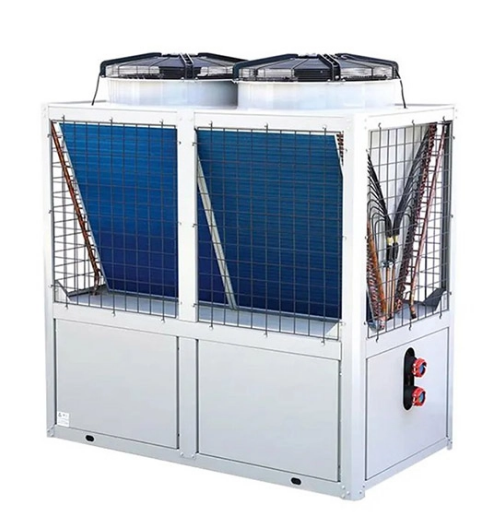
Cooling towers play a crucial role in water source heat pump (WSHP) systems. Their primary function is to remove heat from the water loop after the heat pumps transfer heat from the building during cooling mode. Without cooling towers, the heat absorbed by the water loop would accumulate, causing the system’s efficiency to drop and indoor comfort to suffer. Essentially, the cooling tower acts like the condensing unit in a traditional air conditioner but uses water and evaporation to reject heat to the outside air.
The heat rejection process in a WSHP system involves circulating warm water from the building’s water loop into the cooling tower. Inside the tower, water is distributed over a large surface area called the fill, which maximizes contact with the air. A fan draws outdoor air through the fill, causing some water to evaporate. This evaporation removes heat from the water, cooling it down. The cooled water then returns to the building’s water loop, ready to absorb more heat from the heat pumps.
This evaporative cooling process allows the cooling tower to cool water close to the outdoor wet bulb temperature, which is often lower than the dry bulb temperature traditional air conditioners rely on. This makes cooling towers highly efficient for heat rejection, especially in humid climates.
Traditional HVAC systems typically use refrigerant-based condensing units to reject heat directly to the outside air. These units rely on dry bulb temperatures, which can limit their cooling efficiency during hot weather. In contrast, WSHP systems use a water loop and cooling tower to reject heat through evaporation, allowing better performance in a wider range of weather conditions.
Additionally, WSHP systems offer more flexibility by enabling simultaneous heating and cooling in different zones through the water loop. This contrasts with traditional systems that often require separate equipment for heating and cooling. Cooling towers also help reduce the size and energy consumption of chillers or boilers needed in the system, contributing to overall energy savings.
Tip: When designing WSHP systems, ensure the cooling tower’s capacity matches the building’s peak heat rejection load to maintain system efficiency and prevent overheating of the water loop.
Cooling towers come in several types, each designed to suit different system needs and available space. Choosing the right type can impact efficiency, maintenance, and cost in a water source heat pump (WSHP) system.
Open Loop Cooling Towers:These towers expose the building’s water loop directly to the atmosphere. Water from the loop is sprayed over the fill inside the tower, allowing direct contact with air. Evaporation cools the water, which then returns to the building loop. This design is common due to its simplicity and lower initial cost. However, it requires careful water treatment to prevent scaling, corrosion, and biological growth.
Closed Loop Cooling Towers:In closed loop towers, the building’s water loop remains sealed inside pipes. A separate water circuit sprays over the fill, rejecting heat through evaporation without exposing the building water to the atmosphere. This reduces contamination and maintenance needs. Closed loop towers have higher upfront costs due to additional heat exchangers and pumps but often save money on chemical treatment and downtime.
Crossflow Cooling Towers:Water flows downward by gravity over the fill, while air moves horizontally across the water flow. This perpendicular arrangement spreads water evenly with low pumping energy. Crossflow towers have a large footprint but offer easier access for maintenance. They handle variable water flow better, allowing up to 70% turndown without efficiency loss, which can save energy during partial loads.
Counterflow Cooling Towers:Water is sprayed downward through nozzles, while air moves upward in the opposite direction. This vertical counterflow requires less ground space and can handle larger heat loads in a compact footprint. However, it uses more pump energy to distribute water and may have less turndown capacity, around 50%. Maintenance can be more challenging due to tighter packaging.
Choosing the right cooling tower involves balancing several factors:
Space Availability:Counterflow towers fit smaller areas; crossflow towers need more ground space but are easier to service.
Maintenance Requirements:Closed loop towers reduce chemical use and fouling but cost more initially. Open loop towers require more water treatment.
Energy Efficiency:Crossflow towers offer better turndown and lower pumping energy at part-load conditions. Counterflow towers may have higher energy use for water distribution.
Cost Considerations:Initial cost, operational cost, and maintenance expenses must all be weighed. Closed loop towers have higher upfront cost but lower operating cost.
Climate and Water Quality:Open loop towers need good water quality management, especially in hard water areas. Closed loop systems protect the building water loop better in harsh environments.
Tip: When selecting a cooling tower for your WSHP system, prioritize the balance between space constraints, maintenance capacity, and energy efficiency to optimize long-term performance and cost savings.
Water source heat pumps (WSHPs) come in various temperature ranges to meet different industrial and commercial needs. High-temperature WSHPs, operating at 75℃, 90℃, or even 120℃, offer significant advantages over standard units, especially in applications requiring elevated heating temperatures.
These units provide heating water up to 75℃, higher than conventional WSHPs that typically max out around 50℃ to 60℃. This temperature range suits many commercial buildings and processes needing moderate high-temperature heating, such as space heating or domestic hot water supply.
Advantages include:
Improved efficiency: They reduce or eliminate the need for supplemental boilers in many cases.
Energy savings: By using heat pump technology to reach 75℃, they consume less energy than traditional electric or gas heaters.
Flexibility: Suitable for retrofitting existing systems requiring higher temperature outputs.
These heat pumps push the heating water temperature to 90℃, opening new possibilities in industrial processes and specialized building applications.
Key benefits:
Broader application: Ideal for facilities needing near-boiler temperatures, such as hospitals or large-scale commercial kitchens.
Reduced carbon footprint: They replace fossil fuel boilers, lowering greenhouse gas emissions.
Enhanced system integration: Can operate with existing high-temperature hydronic systems without major modifications.
Operating at an ultra-high temperature of 120℃, these specialized WSHPs are designed for demanding industrial processes where conventional heat pumps cannot meet temperature requirements.
Benefits include:
Industrial process heating: Perfect for chemical plants, sterilization, or other processes requiring very high temperatures.
Energy efficiency: Even at these high temperatures, they use less energy than electric resistance heaters or fuel-based boilers.
Innovation potential: Enable new sustainable heating solutions in sectors traditionally reliant on fossil fuels.
Water source heat pumps (WSHPs) offer versatile heating and cooling solutions for various industrial and commercial settings. Their ability to deliver precise temperature control and high efficiency makes them ideal for processes requiring consistent and often elevated heat levels.
In food processing plants, sterilization requires reliable high-temperature heating to ensure safety and quality. WSHPs provide a clean and energy-efficient way to generate the hot water or steam needed for sterilization cycles. High-temperature WSHPs, especially those capable of reaching 75℃ or above, can replace traditional boilers, reducing fossil fuel use and lowering emissions. Their precise temperature control keeps sterilization consistent, preventing under- or overheating that could compromise product safety.
Chemical plants often demand very high temperatures for reactions and processing. WSHPs designed for ultra-high temperatures, such as 90℃ or even 120℃ units, fit these needs well. They supply stable heat for processes like distillation, drying, or curing, all while improving energy efficiency compared to electric resistance heaters or fuel-based boilers. Using WSHPs also helps chemical plants reduce their carbon footprint and operating costs, supporting sustainability goals.
In coal-to-electricity projects, high-temperature heat is essential for various stages, including preheating and gasification. WSHPs operating at special high temperatures (up to 120℃) can provide this heat efficiently. By integrating WSHP technology, these projects can optimize energy use, reduce reliance on fossil fuels, and improve overall system efficiency. This integration supports cleaner energy production and aligns with modern environmental regulations.
Installing a water source heat pump (WSHP) system requires careful planning to ensure optimal performance and longevity. First, the water loop must be properly designed and sized to handle the building’s heating and cooling loads. This includes selecting appropriate pipe diameters, pumps, and valves to maintain balanced flow and pressure.
The cooling tower installation is critical. It needs to be located where it can draw ample outdoor air and has enough space for maintenance access. Proper foundation and vibration isolation help reduce noise and structural stress. Electrical connections should follow local codes, ensuring safety and reliability.
Each WSHP unit should be installed in accessible locations, such as above ceilings or in mechanical closets, to facilitate servicing. The water loop connections must be leak-free and insulated to prevent heat loss or gain, improving energy efficiency.
Cooling towers require regular maintenance to sustain efficiency and prevent failures. Open loop towers need routine water treatment to control scaling, corrosion, and biological growth. This includes monitoring water chemistry and adding chemicals as needed.
Both open and closed loop towers require inspection and cleaning of fill media to prevent clogging and maintain proper water distribution. Fans, motors, and pumps should be checked for wear, lubricated, and balanced to avoid vibration and noise issues.
Seasonal maintenance includes winterizing towers in cold climates to prevent freezing damage. Also, ensure that drift eliminators and basin screens are intact to minimize water loss and debris entry.
Proper maintenance extends equipment life, reduces operational costs, and maintains system efficiency.
Energy efficiency in WSHP systems depends heavily on the cooling tower’s performance and the water loop’s operation. Selecting a cooling tower with the right capacity and low approach temperature reduces the water loop temperature, improving heat pump efficiency.
Variable speed drives on pumps and fans can adjust flow rates to match load demands, saving energy during partial load conditions. Closed loop towers tend to have higher upfront costs but lower maintenance and operational expenses, which can lead to better lifecycle cost savings.
Regular maintenance prevents fouling and scaling, which otherwise increase pumping energy and reduce heat transfer efficiency. Additionally, insulating water pipes and optimizing control strategies can further reduce energy consumption.
When considering total cost of ownership, weigh initial investment against long-term energy savings and maintenance expenses to choose the best system configuration.
Water Source Heat Pumps (WSHPs) effectively use a water loop and cooling towers for efficient heating and cooling. Cooling towers are essential for heat rejection, enhancing system efficiency. Future trends indicate advancements in high-temperature WSHPs, offering broader applications and energy savings. Cooling towers remain crucial for optimal WSHP performance. Leomon offers innovative WSHP solutions that maximize energy efficiency and provide value in diverse settings. Their products are designed to meet unique heating and cooling needs, ensuring customer satisfaction.
A: Yes, a cooling tower is crucial for a water source heat pump system to efficiently reject heat from the water loop during cooling mode.
A: High-temperature water source heat pumps offer improved efficiency, energy savings, and flexibility, suitable for applications like food processing plant sterilization and high-temperature heating in chemical plants.
A: A cooling tower removes heat from the water loop through evaporation, maintaining optimal temperatures and enhancing the efficiency of the water source heat pump system.


