Please Choose Your Language


Views: 0 Author: Site Editor Publish Time: 2025-10-16 Origin: Site


You want something that saves energy, helps the planet, and keeps you comfortable all year. A CO2 heat pump gives you these things. It works well and does not pollute much. You get steady heat even when it is cold outside. You can save money on your energy bills. You also help lower your carbon footprint. More people want these systems now:
The global CO2 heat pump HVAC market will grow from $2.5 billion in 2023 to $6.8 billion by 2032.
This growth happens because people want energy-saving, eco-friendly systems. Studies show co2 heat pumps can lower yearly emissions by up to 75% compared to old heating systems. This makes them a smart pick for your home or business.
CO2 heat pumps use less energy and help the planet. They are a good choice for heating and hot water.
These systems can make your energy bills much lower. You can get your money back in 5 to 20 years. The time depends on the type you choose.
Using CO2 as a refrigerant does not hurt the earth much. This makes CO2 heat pumps better for nature than old systems.
CO2 heat pumps work well in every season. They give steady heat even when it is cold outside.
Check for local deals and rebates to save more money. This helps when you put in a CO2 heat pump.
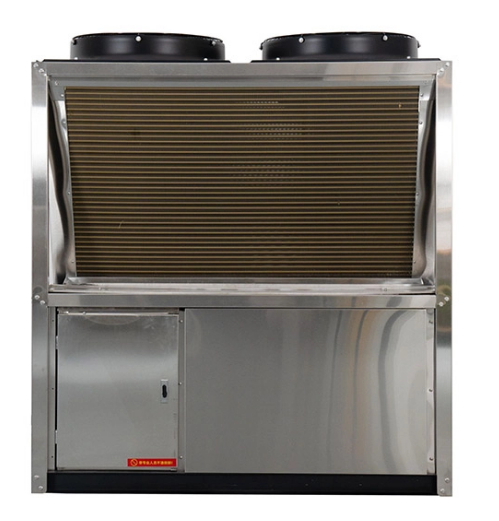
A co2 heat pump moves heat from one spot to another. It uses co2, also called R744, as the refrigerant. First, the pump takes in heat from the air, water, or ground. The co2 refrigerant carries this heat through a cycle. It gets compressed and then expands. When the co2 changes pressure and temperature, it gives off heat inside your home or building. This way, you can get both heating and hot water.
Co2 has special features that make the system work well. Its heat capacity changes with temperature and pressure. This helps the pump move heat better. Engineers can make the system work even better by changing settings or adding special parts. Most co2 heat pumps use oil-free compressors like turbo or scroll types. These compressors work best within certain limits, such as 140°C and 140 bar.
Tip: Co2 is very dense, so you can use smaller pipes and systems. This saves space and can make installation cheaper.
Aspect | Description |
|---|---|
Heat Capacity Variation | Co2's heat capacity changes with temperature and pressure. |
Performance | System settings and devices can boost performance. |
Compressor Types | Turbo and scroll compressors are common in co2 heat pumps. |
You may ask why co2 is a good choice for a heat pump. Co2 has a global warming potential (GWP) of only 1. This is much lower than other refrigerants like R-410A, which has a GWP of 2088.
Refrigerant | GWP |
|---|---|
CO2 | 1 |
R-410A | 2088 |
Co2 does not hurt the ozone layer. It also moves heat very well. This means your system can take in and give off heat quickly and easily. Because co2 is dense, you can use smaller equipment. This can make your system cost less and be easier to put in.
Zero ozone depletion potential
Ultra-low global warming potential
Strong heat transfer ability
Compact system design
You get a safe, efficient, and eco-friendly way to meet your heating and energy needs.

When you use a co2 heat pump, you help the earth. This system uses co2 as a natural refrigerant. It does not cause much global warming. You lower greenhouse gases by switching from fossil fuels to a co2 heat pump. Environmental groups say there are many good things:
You cut co2 emissions at home or work.
You use energy from air, water, or ground. These are renewable sources.
You help your country reach climate goals. This is important where heating uses lots of energy.
If one-third of fossil fuel boilers in the EU are replaced with heat pumps, energy use drops by 36%. Co2 emissions go down by 28%. Each home can lower yearly energy emissions by 36% to 64%. That is about 2.5 to 4.4 metric tons of co2 every year.
Scenario | Emission Reduction (%) | CO2 Equivalent (metric tons/year) |
|---|---|---|
Aggressive Decarbonization | 36% - 64% | 2.5 - 4.4 |
Sluggish Decarbonization | 36% - 64% | 2.5 - 4.4 |
When you pick a co2 heat pump, you help the environment in a big way.
A co2 heat pump works well in every season. You get more heat for each unit of energy. The system does a good job even when it is cold. The table shows how the COP (coefficient of performance) changes with the seasons:
Season | COP Value |
|---|---|
Fall | 4.2 |
Winter | 2.8 |
Spring | 3.9 |
Annual SCOP | 3.6 |

You get steady heat and hot water, even in winter. The system works best when water return temperature is 15°C to 35°C. If it goes above 40°C, efficiency drops. So, it is important to set up your system right.
At Leomon, we use smart technology for our High-Efficiency CO₂ Heat Pump. Our products meet strict world standards. They have certifications like CE, CB, and TUV.
A co2 heat pump helps you save money over time. The system uses less energy, so your bills are lower. Most people see payback in 5 to 10 years for air source heat pumps. Ground source systems usually pay back in 10 to 20 years. As energy prices change and more government help is offered, payback time gets shorter.
Air source heat pump payback: 5–10 years
Ground source heat pump payback: 10–20 years
Payback times are getting shorter as technology gets better
Many countries give rebates or tax credits for co2 heat pumps. In the U.S., you can get up to 26% of your install costs back with federal tax credits. The European Union and other places also have programs to help you save more.
Tip: Look for local incentives before you buy. You might get extra savings.
A co2 heat pump gives you peace of mind. The system uses co2, which is not flammable. It does not hurt the ozone layer. But co2 systems run at higher pressures than some other heat pumps. That is why safety rules matter. At Leomon, we follow strict rules and have many certifications to keep you safe.
Standard/Directive | Description |
|---|---|
AMSE VIII | Pressure vessel codes for North America. |
European Pressure Directive | Safety rules for pressure systems in the EU. |
UKCA – Pressure Equipment (Safety) Regulations 2016 | UK safety standards for pressure equipment. |
You can trust our Commercial CO₂ Heat Pump and other models. They pass tests for quality and safety, like the Heat Pump KEYMARK certification. We use strong materials and smart design to stop leaks and keep your system safe. Our team gives 24/7 support if you need help.
Note: Always have a certified professional install your co2 heat pump. This keeps your system safe and working well.
When you choose Leomon, you get a system that is safe, efficient, and built to last. Our new ideas and experience help you enjoy all the benefits of co2 heat pumps for many years.
CO2 heat pumps work in many places. You can use them at home, at work, or in factories. Leomon has many choices for each type of building. You get heating, cooling, and hot water you can count on.
You can put a CO2 heat pump in your house or apartment. It gives you heat and hot water, even when it is cold. Many people pick these systems for new homes or to replace old ones. They also work in student dorms that need lots of hot water every day.
CO2 heat pumps work with air source and ground source heat pumps. You can add them to your current system. They keep water hotter than 55°C and use plate heat exchangers for quick hot water. Smart controls help the system run well.
Application Type | CO2 Emission Reduction (%) | Economic Viability |
|---|---|---|
Heat pump retrofit (heating system only) | 18.6% to 38.9% | Varies by building |
Heat pump with photovoltaic and battery systems | 31.2% to 43.6% | Most beneficial for most buildings |
Keep water hotter than 55°C in pipes.
Use plate heat exchangers for fast hot water.
Make sure heat emitters are the right size.
Use pressure independent valves to control flow.
CO2 heat pumps work in hotels, malls, hospitals, and offices. These systems give central heating, cooling, and hot water. A mall can use one for air conditioning. A forest hot spring area can use it for hot water. Hotels and hospitals get steady hot water and heating.
Commercial buildings can save 30% to 50% on energy. The savings depend on insulation, weather, and system setup. Leomon’s commercial CO2 heat pumps meet strict rules and work for many building sizes.
Central hot water for big businesses
Reliable heating for cold places
Easy to add to old systems
Factories need hot water and steam at high temperatures. CO2 heat pumps work in chemical, petrochemical, paper, food, and steel plants. You can use them for heating, making steam, and using waste heat. Big companies use them for lots of hot water.
Industry | Benefits |
|---|---|
Chemical | Cleaner heat, lower costs, less fossil fuel use |
Petrochemical | Good heat and steam, better energy use |
Paper | Saves money, cuts CO2 emissions |
Food | Better energy use, faster payback |
Steel | Better temperature control, uses waste heat again |
CO2 heat pumps work for big projects. You get hot water at high temperatures, even when it is cold outside. They cost about the same as old systems, so they are a smart pick for factories.
Leomon helps with all these types of buildings. You get expert help and many products, from homes to big factories.
When you look at a co2 heat pump and older systems, you see big differences. Ground source heat pumps can be up to 600% efficient. Air source heat pumps are usually about 400% efficient. The co2 heat pump works well, even when it is cold or water moves fast. This makes it a good pick for heating and hot water.
Heat Pump Type | Efficiency Rating |
|---|---|
Ground Source Heat Pumps | Up to 600% |
Air Source Heat Pumps | Around 400% |
Some things help co2 heat pumps work better than old systems:
They have more latent heat and specific heat.
Co2 is denser and moves heat better.
Lower viscosity helps the system run well.
The temperature glide in the supercritical state helps too.
You get steady heating and cooling, even if the weather changes.
Choosing a co2 heat pump is good for the earth. Co2 does not hurt the ozone layer and has a global warming potential of 1. Many old systems use HFC or HCFC refrigerants. These have much higher global warming numbers. For example, R134a has a GWP of 1300. Co2 is not toxic and will not catch fire, so it is safer for people and nature.
A life cycle study shows air source heat pumps are better for the environment than gas boilers. For example:
Heating System Type | Environmental Impact (g CO2-eq/MJ) |
|---|---|
Air-Source Heat Pump | 76.9 |
Condensing Gas Boiler | 90.0 |
Switching to co2 helps you lower your carbon footprint and use cleaner energy.
Putting in a co2 heat pump can be tricky. It costs more at first than old systems. You may need better insulation or new radiators, especially in older houses. Sometimes, you need to change ducts or electric panels. This can add $1,000 to $3,000 to your bill. For big buildings, it can cost $15,000 to $30,000 to install.
Old buildings may need more upgrades to work well.
Homes built before 1945 can be harder to update.
Old systems like gas furnaces cost less to start, but more to run later.
You save money on bills and get better efficiency over time. The co2 heat pump is a smart, modern way to heat your home.
You get great efficiency, help the environment, and save money with a co2 heat pump. New studies show this technology is growing fast. People want better heating for homes, businesses, and factories. Many users say they save up to 80% on hot water costs. They also make less carbon emissions. You can look at Leomon’s new products or talk to experts to pick the best system for you.
A CO2 heat pump uses carbon dioxide (R744) as a refrigerant. You can use it for heating, cooling, and hot water. It works well in homes, businesses, and factories.
You get a safe system. CO2 is non-flammable and non-toxic. Leomon heat pumps meet strict safety standards and pass many quality tests.
Yes, you can. CO2 heat pumps work well even in freezing weather. You get steady heating and hot water, even when outdoor temperatures drop below zero.
You can lower your energy bills by up to 50%. Many users see payback in 5 to 10 years. Local rebates and tax credits can help you save even more.
You should schedule yearly check-ups with a professional. Clean filters and check system parts. Leomon offers 24/7 support to help you keep your system running smoothly.


