Please Choose Your Language


Views: 0 Author: Site Editor Publish Time: 2025-11-12 Origin: Site


Have you wondered how a Water Source Heat Pump delivers steady heat? This system uses lakes or groundwater to keep temperatures stable. In this article, you will learn how it captures and moves energy. We explain each step so you can understand how the system works.
A Water Source Heat Pump (WSHP) transfers thermal energy from a natural or artificial water source into a building, providing an efficient way to heat or cool indoor spaces. This process relies on a closed refrigerant cycle, which continuously moves heat by exploiting changes in pressure and phase within the refrigerant. The cycle enables the system to absorb low-grade heat from the water source and release it at a higher, usable temperature suitable for indoor heating. By maintaining a stable and controlled transfer of energy, WSHPs ensure both high efficiency and comfort. Understanding the underlying mechanism helps engineers, facility managers, and building designers optimize system performance while minimizing operational costs. Below is an extended walk-through of the key steps involved in this process.
Water is an ideal medium for heat transfer because it can store and retain thermal energy more effectively than air or soil. In many regions, water maintains a relatively stable temperature, typically between 7°C and 12°C, though this can vary based on local conditions and seasonal changes. This temperature stability is crucial because it allows the refrigerant to absorb heat more consistently, reducing the workload on the system. Unlike air-source heat pumps, which experience large fluctuations in energy transfer efficiency due to seasonal temperature swings, WSHPs benefit from this stable heat reservoir. Consequently, the system operates more efficiently, consumes less electricity, and experiences lower mechanical stress, which extends the lifespan of key components such as compressors, heat exchangers, and pumps. Additionally, stable water temperatures make it possible to design systems with higher Coefficient of Performance (CoP), achieving superior energy efficiency year-round.
The water source is the primary energy supplier for a WSHP, and the system extracts heat using either submerged coils, borehole loops, or wells, depending on site conditions. In open-loop systems, pumps lift groundwater directly from wells to the heat pump's heat exchanger, where heat is extracted before the water is returned to the ground. This approach is highly effective in locations with abundant, clean groundwater and allows for higher thermal efficiency. In contrast, closed-loop systems circulate a mixture of water and antifreeze through sealed pipes submerged under the water surface. These loops do not consume or contaminate the water, offering a more environmentally controlled solution. Closed-loop systems can be installed in lakes, ponds, or purpose-built reservoirs. Proper design of the heat absorption interface is critical to ensure maximum heat transfer while minimizing energy losses, and considerations such as pipe material, coil length, and antifreeze concentration all play a significant role in long-term system performance.
Once the heat is absorbed from the water, it is transferred to a refrigerant inside the heat pump. This refrigerant evaporates at a low temperature, allowing it to carry thermal energy efficiently throughout the system. The choice of refrigerant is critical: modern WSHPs use compounds specifically designed to evaporate at low boiling points, ensuring effective heat absorption even in cold winter months. As the refrigerant evaporates, it transforms from a liquid into a vapor, storing latent heat in the process. This phase-change mechanism allows the system to move significant amounts of energy with minimal work input. Understanding the refrigerant cycle helps operators troubleshoot performance issues, optimize efficiency, and select the right refrigerant type for specific climate conditions. The cycle's repeatability and reliability are what make WSHPs a dependable solution for both heating and cooling applications.
After absorbing heat and turning into a gas, the refrigerant enters the compressor, which increases its pressure. Raising the pressure also raises the refrigerant’s temperature, creating a superheated gas capable of delivering usable heat to the building. Modern WSHPs typically use scroll or rotary compressors, known for their compact design, low vibration, and high stability. This stage is essential because the refrigerant’s temperature must be sufficient to transfer heat effectively into the building’s heating distribution system, such as radiators, underfloor heating, or hydronic loops. Compressor selection and operation significantly impact energy efficiency, noise levels, and maintenance requirements. Efficient compressors reduce electricity consumption while maintaining stable heating output, contributing to the system's long-term reliability.
WSHPs can operate in closed-loop or open-loop configurations, each with distinct advantages. Closed-loop systems circulate fluid within sealed pipes, protecting water quality and reducing environmental impact. These systems are ideal for lakes, ponds, and engineered water loops where contamination risks must be minimized. Open-loop systems draw real groundwater from wells and return it after heat extraction. While open-loop setups can offer higher efficiency due to direct heat exchange, they require careful water-quality monitoring, filtration, and adherence to local regulations and permits. Early hydrological studies and site surveys are critical to minimize risks of underperformance or regulatory delays, ensuring the system operates reliably over its intended lifespan.
Understanding the key components of a Water Source Heat Pump (WSHP) is essential for engineers, facility managers, and building operators. A thorough grasp of these parts not only helps in evaluating system performance but also plays a critical role in planning preventive maintenance, troubleshooting issues, and optimizing energy efficiency. Each component is designed to work in harmony, and improper sizing or neglect can significantly impact the lifespan and effectiveness of the entire system. Below is an in-depth look at the core components that make a WSHP function reliably.
The compressor is the heart of a Water Source Heat Pump, responsible for driving the refrigerant through the system and enabling the transfer of heat. It works by increasing the refrigerant’s pressure, which in turn raises its temperature, making the heat available for indoor distribution. Modern WSHPs typically use rotary or scroll compressors due to their compact size, durability, low vibration, and consistent performance under varying load conditions. Selecting the right type and capacity of compressor is critical: an undersized unit may struggle to meet heating or cooling demand, while an oversized unit can lead to frequent cycling, reduced efficiency, and increased wear. Proper maintenance, including checking for refrigerant leaks, monitoring pressure levels, and ensuring smooth motor operation, ensures that the compressor continues to operate effectively over the long term.
A Water Source Heat Pump relies on two main heat exchangers to transfer energy efficiently. The first heat exchanger moves thermal energy between the water source and the refrigerant, capturing heat in winter or dissipating it during summer. The second heat exchanger delivers heat or cooling to the building’s air or hydronic distribution system. Material selection, such as corrosion-resistant metals or high-performance alloys, is critical to withstand long-term exposure to water, prevent fouling, and minimize maintenance requirements. Heat exchanger design also impacts energy efficiency: well-designed coils allow optimal surface contact for heat transfer, reducing the load on the compressor and lowering operational costs. Regular inspection and cleaning are essential, as scale, sediment, or biological growth can significantly reduce performance.
The reversing valve is a versatile component that allows a single Water Source Heat Pump to provide both heating and cooling. By changing the direction of refrigerant flow within the system, the valve enables the unit to switch from transferring heat from the water source into the building during winter, to rejecting heat from the building back into the water source during summer. This dual functionality simplifies system design and reduces the need for separate equipment for different seasons. Proper operation of the reversing valve is critical: malfunctioning valves can lead to incomplete heating or cooling cycles, reduced efficiency, or increased wear on the compressor. Periodic inspection and testing help ensure smooth operation and prevent disruptions to building comfort.
The expansion valve regulates the amount of refrigerant entering the evaporator, maintaining the proper superheat levels necessary for efficient heat absorption. It also prevents liquid refrigerant from reaching the compressor, which could cause damage or reduce system lifespan. There are several types of expansion valves, including thermostatic and electronic models, each offering specific advantages in precision and responsiveness. Proper calibration is crucial: an undersized valve may starve the evaporator of refrigerant, reducing heat transfer, while an oversized valve can flood the evaporator and increase energy consumption. Regular maintenance, such as checking for blockages or adjusting setpoints, ensures that the expansion valve continues to optimize system performance.
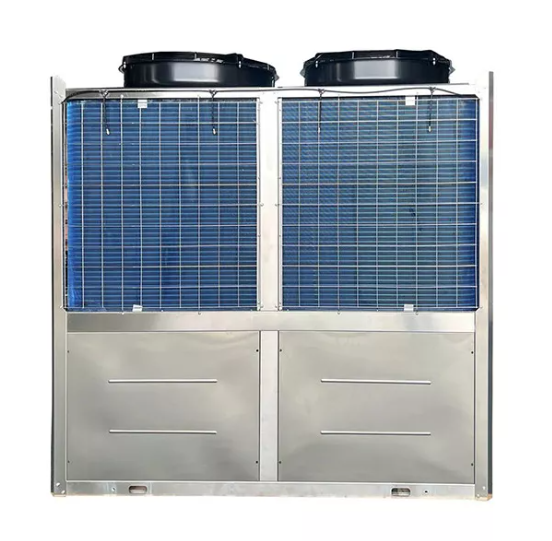
Water brings low-grade heat to the heat exchanger.
Refrigerant absorbs the heat and evaporates.
Compressor raises the temperature of the refrigerant gas.
Gas releases heat through the indoor condenser.
Refrigerant cools and returns to liquid form.
Refrigerant absorbs heat from the indoor air.
Compressor raises pressure and temperature.
The system rejects heat into the water source.
Refrigerant cools and recirculates.
The reversing valve is a critical component that changes the direction of refrigerant flow depending on the system's operating mode. During heating mode, the valve routes the hot refrigerant gas from the compressor toward the indoor heat exchanger, allowing the system to deliver warmth into the building. In cooling mode, the valve flips the flow so that heat is extracted from the indoor air and released into the water source, effectively cooling the interior. Throughout both modes, the compressor continuously operates to maintain the necessary pressure and temperature of the refrigerant. This dynamic control enables a single system to provide year-round heating and cooling, making WSHPs highly versatile.
Water loops operate between 15°C and 32°C in many engineered systems (subject to validation). Groundwater stays cooler. The system's Coefficient of Performance depends on how close the source temperature stays to the ideal range. Operators should track loop temperature drift to maintain peak performance.
The choice of water source directly impacts the design, efficiency, and operational stability of a Water Source Heat Pump. Factors such as water availability, temperature consistency, and chemical quality determine whether an open-loop or closed-loop system is most suitable. Selecting the right water source ensures effective heat transfer, reduces wear on system components, and can influence maintenance schedules and long-term performance.
Groundwater-based WSHP systems typically utilize two wells: an extraction well, which draws water from the aquifer, and an absorption well, which returns the cooled water to the ground after heat extraction. This method is highly effective in regions with strong, renewable aquifers, as it maintains a stable supply of water with minimal temperature fluctuations. Groundwater systems benefit from the relatively constant temperature of the aquifer, which enhances efficiency and reduces energy consumption compared to air-source systems. Engineers designing such systems must ensure proper well placement, adequate pumping rates, and compliance with local regulations to prevent over-extraction and avoid environmental impacts such as aquifer depletion or contamination. Proper filtration may also be required to remove sediments, iron, or other minerals that could harm the heat exchanger over time.
Surface water systems rely on lakes, rivers, or ponds as the primary heat source. These water bodies typically offer abundant water supply, but their temperatures fluctuate more significantly than groundwater, especially across seasons. As a result, WSHPs using surface water may require additional filtration and water treatment measures to protect the heat exchanger from debris, algae, or sediment accumulation. Designers must account for seasonal temperature swings and varying water levels, which can impact system efficiency. Surface water systems are often favored for larger-scale applications or facilities located near natural water bodies, as they can support higher heat extraction rates. Environmental monitoring is also critical to ensure that water withdrawal and return flows do not disrupt aquatic ecosystems or violate local environmental regulations.
In situations where water quality is poor or regulatory restrictions limit the use of natural water sources, closed-loop submerged coil systems provide an effective alternative. These systems circulate a mixture of water and antifreeze through heavy-duty, sealed pipes submerged in a water body, which protects the system from contamination and corrosion. Closed-loop designs minimize environmental impact by preventing direct interaction with groundwater or surface water while maintaining stable heat transfer. Engineers must carefully size the coils, select appropriate antifreeze mixtures, and ensure robust insulation to optimize performance and longevity. This approach is particularly suitable for urban or industrial sites where water quality cannot be guaranteed or where extraction permits are limited, providing a reliable and low-maintenance solution for year-round heating and cooling.
WSHP systems, especially open-loop configurations, are subject to environmental regulations and permitting requirements. Local authorities may require detailed impact studies to evaluate the effects of water extraction on natural aquifers, rivers, or lakes, including potential temperature shifts, chemical alterations, and ecological disruption. Open-loop systems often involve more bureaucratic processes because they interact directly with natural water sources. Some regions impose strict limits on the volume of water that can be extracted or returned, necessitating careful planning and compliance. Early coordination with environmental agencies and thorough site assessments help prevent project delays, reduce regulatory risks, and ensure sustainable operation. Even closed-loop systems may require permits for installation, especially if large volumes of water or land are involved, highlighting the importance of proactive environmental management in system design.
Water Source Heat Pump uses stable water heat and an efficient refrigerant cycle to deliver steady heating and cooling. It offers strong performance and long-term savings for many buildings. These systems support lower emissions and smarter energy use. Leomon Technology provides reliable heat pump solutions that enhance comfort and deliver lasting value.
A: A Water Source Heat Pump uses heat from water and moves it through a refrigerant cycle. It helps explain how a water source heat pump works in real systems.
A: The Water Source Heat Pump absorbs heat from groundwater, raises its temperature, and delivers it indoors. This process shows how a water source heat pump works step by step.
A: A Water Source Heat Pump offers stable performance because water temperatures change less. It keeps operation efficient through the full cycle.


