Please Choose Your Language


Views: 0 Author: Site Editor Publish Time: 2026-02-12 Origin: Site


Could water source and industrial heat pumps revolutionize energy use? These systems offer efficient heating and cooling solutions. They reduce costs and environmental impact significantly.Water source heat pumps transfer heat using water, while industrial heat pumps serve large-scale processes. Heat pump water heaters require specific conditions to perform well.In this post, you’ll learn about water source and industrial heat pumps, heat pump water heater requirements, comparisons with tankless systems, how they work, and costs.
Water Source Heat Pumps (WSHPs) transfer heat between a building and a water source. They work like a refrigerator running backwards. In winter, they pull heat from water to warm the building. In summer, they move heat from the building into the water to cool it. This cycle uses electricity to move heat, not create it, making WSHPs very efficient.
Water is an excellent heat carrier because it holds heat well and maintains stable temperatures year-round. Unlike air, water temperature changes slowly, usually staying between 45°F and 75°F. WSHPs use this stable temperature to exchange heat efficiently. The system circulates water or a water-antifreeze mix, absorbing heat from or releasing heat to the water source through heat exchangers.
There are two main WSHP system types:
Closed-loop systems circulate a water-antifreeze solution through buried pipes or submerged coils. The fluid never leaves the loop, protecting the water source and system from contamination. This design offers stable performance and less maintenance.
Open-loop systems draw water directly from a natural source like a lake or well. The water passes through the heat pump and returns to the source or is discharged elsewhere. Open-loop systems can be more efficient but need good water quality and supply.
Circulation pumps are the heart of WSHP systems. They move water through the heat exchangers and pipes, ensuring continuous heat transfer. Efficient pumps reduce energy use and improve system reliability. Variable-speed pumps adjust flow based on demand, saving energy during low-load times. Choosing high-quality pumps designed for corrosion resistance and durability extends system life.
WSHPs provide both heating and cooling throughout the year. They automatically reverse operation based on seasonal needs or indoor temperature. This makes them ideal for buildings with varying climate demands. Unlike air-source heat pumps, WSHPs maintain efficiency even in extreme weather because water temperatures are more stable than air temperatures.
Tip: For optimal WSHP efficiency, select circulation pumps with variable speed drives to match flow rates to real-time heating or cooling demand, reducing energy consumption and wear.
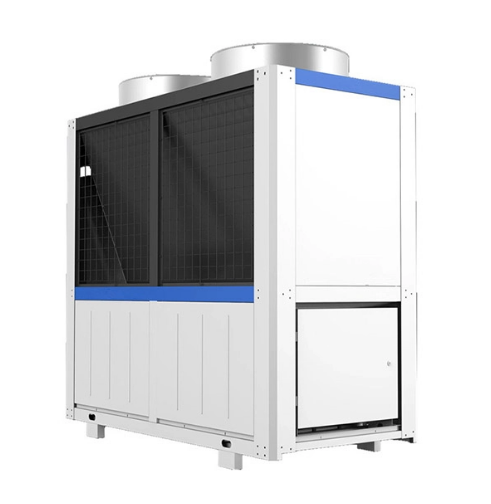
Industrial heat pumps stand out for their remarkable energy efficiency compared to traditional heating systems. They use electricity to move heat rather than generate it, allowing them to deliver up to 3 to 5 times more heat energy than the electrical energy they consume. This efficiency is expressed as the Coefficient of Performance (COP), which often ranges from 3 to 5 or higher in industrial applications. This means for every unit of electricity used, the heat pump produces 3 to 5 units of heat energy, significantly reducing energy consumption and operational costs.
By upgrading low-temperature heat from sources like wastewater, ambient air, or industrial waste heat, these systems reduce reliance on fossil fuels and lower greenhouse gas emissions. This makes them a crucial technology for industries aiming to cut their carbon footprint while maintaining or improving process heating performance.
COP is a key performance metric for industrial heat pumps. It measures the ratio of heat output to electrical input. A higher COP indicates better efficiency. For example, a COP of 4 means the heat pump produces four units of heat for every unit of electricity consumed.
Traditional boilers typically have efficiencies below 90%, meaning much energy is lost as exhaust or unutilized heat. Industrial heat pumps, with COPs often above 3, provide a more energy-efficient alternative, translating to lower fuel costs and reduced emissions.
Industrial heat pumps come in various types, each suited to different heat sources and applications:
Air Source Heat Pumps (ASHPs): Extract heat from ambient air. Suitable for low-temperature heating but less efficient for high-temperature steam production.
Geothermal Heat Pumps: Use stable ground temperatures. Efficient but require significant space and upfront investment.
Water Source Heat Pumps (WSHPs): Utilize heat from lakes, rivers, or wastewater. Offer stable heat sources but may have lower temperatures for industrial steam needs.
Waste Heat Source Heat Pumps: Capture and upgrade heat from industrial processes. Ideal for producing high-temperature steam, especially through technologies like Mechanical Vapor Recompression (MVR).
Industries such as food processing, chemical manufacturing, pulp and paper, and wastewater treatment benefit significantly from industrial heat pumps. They provide process heat for drying, pasteurization, and other thermal processes while cutting energy costs and emissions.
For example, wastewater treatment plants use heat pumps to recover thermal energy from treated water, reducing heating costs. Food and beverage industries leverage heat pumps for precise temperature control in production, enhancing product quality and energy efficiency.
Industrial heat pumps offer several reliability advantages over boilers:
Reduced Mechanical Wear: Fewer combustion-related parts reduce failure risks.
Lower Maintenance: Heat pumps have fewer moving parts and no combustion, leading to less frequent maintenance.
Operational Flexibility: Heat pumps can quickly adjust output, supporting variable process demands.
Environmental Safety: No combustion means no direct emissions or combustion-related safety hazards.
These factors contribute to higher uptime and lower operational risks, making industrial heat pumps a dependable choice for modern manufacturing and processing facilities.
Tip: To maximize energy savings and reliability, select industrial heat pumps with high COP ratings tailored to your process temperature needs and ensure integration with waste heat recovery whenever possible.
Heat pump water heaters need specific technical features to work well. First, they require a reliable power supply to run compressors and fans efficiently. The system must have a high-quality compressor that can handle frequent cycles without failure. Efficient heat exchangers are essential for transferring heat between refrigerant and water quickly. Controls should allow precise temperature regulation and system diagnostics to optimize performance and detect issues early.
Choosing the right location for installation is critical. The area should have enough space for the unit and proper airflow around it, as heat pump water heaters rely on air to absorb heat. Avoid placing units in enclosed or poorly ventilated spaces. Site evaluation should include checking ambient temperature ranges since very cold or very hot environments can affect efficiency. Access for maintenance and proximity to water lines and electrical connections also matter for smooth operation and servicing.
Water quality impacts system longevity and efficiency. Hard water with high mineral content can cause scale buildup inside heat exchangers, reducing heat transfer and increasing maintenance needs. Using water softeners or filtration systems helps protect the unit. The water temperature entering the heater should be within the manufacturer’s recommended range—usually between 40°F and 100°F—to ensure optimal heat exchange. Extremely cold water may reduce efficiency, while very hot water risks damaging components.
Proper sizing ensures the heat pump water heater meets the building’s hot water demands without wasting energy. Oversized units cycle on and off too often, causing wear and inefficiency. Undersized units struggle to supply enough hot water, leading to discomfort and increased energy use. Calculate peak hot water demand based on the number of occupants, appliances, and usage patterns. Consider future growth or changes in water use. Consulting with HVAC professionals helps select the right capacity and avoid costly mistakes.
Regular maintenance keeps heat pump water heaters running at peak efficiency. Key tasks include cleaning or replacing air filters to maintain airflow, inspecting and flushing heat exchangers to prevent scale buildup, and checking refrigerant levels for leaks or depletion. Electrical components and controls should be tested periodically to ensure proper operation. Scheduling annual professional inspections can catch issues early and extend system life, reducing downtime and repair costs.
Tip: Conduct a thorough site evaluation before installation to ensure adequate space, airflow, and water quality, maximizing your heat pump water heater’s efficiency and lifespan.
Heat pump water heaters (HPWHs) use electricity to move heat from the air or water into the water tank, making them 2 to 3 times more efficient than traditional electric water heaters. Their Coefficient of Performance (COP) often ranges from 2.5 to 4. In contrast, tankless systems heat water directly on demand using electric elements or gas burners, so their efficiency depends largely on the fuel source and combustion quality. Electric tankless heaters have near 100% efficiency but consume more electricity, while gas tankless models typically achieve 80-95% efficiency. HPWHs excel in efficiency when ambient air or water temperatures are moderate, but their performance may drop in very cold environments.
Tankless water heaters generally have a lower upfront cost than HPWHs. For example, a typical electric tankless unit might cost $500 to $1,000, while HPWHs cost between $1,200 and $2,500. Installation for tankless systems can be simpler but may require upgrading gas lines or electrical panels. HPWHs often need more space and proper ventilation, increasing installation complexity and cost. However, HPWHs offer significantly lower operating costs due to their high efficiency, often saving 30-50% on water heating bills compared to electric tankless systems. Over time, these savings can offset the higher initial investment, leading to a payback period of 3 to 7 years depending on usage and energy prices.
HPWHs reduce greenhouse gas emissions by using less electricity or fuel to heat water. When powered by renewable electricity, their carbon footprint shrinks further. Tankless systems fueled by natural gas emit CO₂ directly, contributing to greenhouse gases. Electric tankless units have no on-site emissions but depend on the electricity mix, which may include fossil fuels. Overall, HPWHs offer a greener option, especially when integrated with clean energy sources.
HPWHs require more space due to their tank and air circulation needs. They need at least 1,000 cubic feet of air volume around the unit to operate efficiently and avoid overheating. Tankless systems are compact, wall-mounted units that save space and fit well in tight areas. Installation for HPWHs can be more involved, requiring proper airflow, drainage, and sometimes noise mitigation. Tankless systems may need specialized venting for gas models and electrical upgrades for electric ones, but generally have fewer space constraints.
HPWHs are ideal for residential buildings with moderate to high hot water demand and sufficient space for installation. They work well in warm climates or conditioned spaces where ambient air temperatures support efficient operation. Tankless water heaters suit homes or commercial buildings with limited space or variable water usage. They provide endless hot water on demand, making them good for households with fluctuating consumption. However, in cold climates or poorly ventilated spaces, HPWH efficiency drops, making tankless systems a more reliable choice.
Tip: When choosing between heat pump water heaters and tankless systems, consider your building’s space, climate, and hot water demand to balance upfront costs, efficiency, and long-term savings effectively.
Heat pump water heaters use a cycle similar to a refrigerator but in reverse. They move heat from the air or water around them into the water tank, rather than generating heat by burning fuel or using electric resistance. The cycle begins when a refrigerant absorbs heat from the surrounding air or water at low pressure and temperature in the evaporator. The refrigerant then compresses to a higher pressure and temperature inside the compressor. This hot refrigerant passes through the condenser, transferring its heat to the water in the tank. After releasing heat, the refrigerant expands through an expansion valve, lowering its pressure and temperature, and the cycle repeats.
Compressor: Pumps and compresses the refrigerant, raising its temperature and pressure.
Expansion valve: Regulates refrigerant flow, reducing pressure and temperature before it enters the evaporator.
Evaporator: Absorbs heat from the air or water, turning the refrigerant into a gas.
Condenser: Transfers heat from the refrigerant to the water, warming it.
These components work together to efficiently transfer heat, requiring much less electricity than traditional electric water heaters.
The refrigerant is the key to heat transfer. It absorbs low-grade heat from air or water, then compresses to a higher temperature, releasing heat into the water tank. Some systems use water as the heat transfer medium, especially in water source heat pump water heaters. Water’s stable temperature helps the system maintain efficiency year-round. The refrigerant cycle upgrades low-temperature heat to a useful level for water heating, minimizing energy use.
By capturing and upgrading heat that would otherwise be wasted in the environment, heat pump water heaters can achieve efficiencies two to three times greater than electric resistance heaters. This means they use 50-70% less electricity to heat the same amount of water. The ability to move heat rather than generate it directly results in significant energy savings and lower utility bills over time.
Heat pump water heaters can integrate with existing heating setups. They can work alongside conventional boilers or electric heaters as backup during very cold conditions or peak demand. Some models allow easy retrofit into existing plumbing and electrical systems, making upgrades simpler. Hybrid systems combine heat pumps with tankless or traditional water heaters, balancing efficiency and performance while ensuring reliable hot water supply.
Tip: For optimal heat pump water heater performance, ensure the system is installed in a space with good airflow and moderate ambient temperatures to maximize heat absorption and efficiency.
Heat pump water heaters (HPWHs) usually come with a higher upfront price than conventional water heaters. Residential HPWHs typically cost between $1,200 and $2,500 for the unit alone. Installation can add $1,000 to $2,000 depending on complexity, location, and local labor rates. Commercial or industrial systems are more expensive, often costing tens of thousands due to larger capacity and specialized components.
The higher initial cost reflects advanced technology like compressors, refrigerants, and controls. Also, HPWHs need proper space and airflow, which might require modifications to existing setups, increasing installation expenses. However, this upfront investment is often offset by lower operating costs and longer lifespan.
HPWHs use electricity efficiently by transferring heat rather than generating it. This results in 50-70% energy savings compared to electric resistance water heaters. For example, if your annual water heating bill is $600, an HPWH might reduce it to $180–$300.
Payback periods vary widely but often range from 3 to 7 years. Factors influencing payback include local electricity rates, hot water usage, and available incentives. Commercial systems with high water demand can see even quicker returns due to larger energy savings.
Many governments and utilities offer financial incentives to encourage HPWH adoption. Common incentives include:
Federal tax credits covering up to 30% of installation costs.
Utility rebates ranging from $300 to $1,500.
State or local grants and rebates.
These incentives can significantly reduce net investment, improving payback periods. It’s important to check eligibility and application deadlines before purchasing.
When considering total cost of ownership, HPWHs often come out ahead despite higher upfront costs. Key factors include:
| Cost Factor | HPWH | Conventional Electric Heater |
|---|---|---|
| Initial Purchase & Install | $2,200 - $4,500 | $1,000 - $2,000 |
| Annual Operating Cost | $180 - $300 | $600 - $900 |
| Typical Lifespan | 13-15 years | 8-12 years |
| Maintenance Costs | Low | Moderate |
| Total 15-Year Cost Estimate | $5,900 - $7,800 | $10,000 - $15,500 |
This example shows HPWHs can save thousands over their lifespan through energy efficiency and durability.
Several factors affect the overall cost and savings of HPWHs:
Climate: Warmer climates improve efficiency and reduce operating costs.
Installation complexity: Retrofits in tight spaces or cold locations may increase costs.
Water quality: Hard water can increase maintenance needs and reduce efficiency.
Usage patterns: Higher hot water demand improves cost-effectiveness.
System sizing: Properly sized systems avoid inefficiencies and premature wear.
Maintenance: Regular upkeep preserves efficiency and extends lifespan.
Choosing the right system for your needs and ensuring professional installation optimize both costs and savings.
Tip: Investigate available incentives and rebates early to reduce your heat pump water heater’s upfront cost and shorten your payback period.
The heat pump industry is rapidly evolving, focusing on greener refrigerants with lower global warming potential (GWP). New refrigerants like hydrofluoroolefins (HFOs) and natural options such as CO₂ and ammonia are gaining traction. These alternatives reduce environmental impact while maintaining or improving efficiency.
Heat exchanger designs are also improving. Manufacturers now use advanced materials and innovative geometries to boost heat transfer rates. Compact, brazed plate heat exchangers and microchannel designs increase surface area and reduce size. This leads to more efficient heat exchange, lower refrigerant charge, and smaller system footprints.
Smart controls are transforming heat pump operation. IoT-enabled systems collect real-time data on temperature, flow rates, and energy use. This data feeds into algorithms that optimize performance dynamically, adjusting pump speeds, compressor load, and refrigerant flow to match demand.
Predictive maintenance alerts help avoid downtime by identifying issues early. Remote monitoring allows facility managers to track system health and energy consumption from anywhere. These smart systems improve reliability, reduce operating costs, and extend equipment life.
Hybrid heat pump systems combine multiple heat sources or technologies to enhance flexibility and efficiency. For example, a water source heat pump might work alongside a solar thermal system or a traditional boiler. This arrangement ensures continuous heat supply even in extreme conditions.
Cascading systems link several heat pumps in series to achieve higher temperatures for industrial processes. Each stage upgrades heat incrementally, improving overall efficiency and enabling use in applications requiring steam or hot water above 150°C.
Modular designs allow heat pump capacity to scale with demand. Manufacturers offer standardized units that can be combined or expanded easily. This flexibility suits industries with fluctuating thermal loads or plans for future growth.
Modular systems simplify installation, commissioning, and maintenance. They also reduce downtime since individual modules can be serviced without shutting down the entire system. This approach supports wide adoption across sectors like food processing, chemical manufacturing, and wastewater treatment.
Several factors drive heat pump market growth. Rising energy costs and stricter emissions regulations push industries to seek efficient, low-carbon heating solutions. Government incentives and grants lower upfront costs, making heat pumps more accessible.
Technological improvements and falling equipment prices boost competitiveness against fossil fuel boilers. Growing awareness of sustainability goals motivates companies to invest in clean energy technologies. As a result, industrial and water source heat pump installations are expected to surge globally.
Tip: Leverage smart IoT-enabled controls in your heat pump systems to optimize performance, reduce energy costs, and enable predictive maintenance for enhanced reliability.
Water source and industrial heat pumps offer high efficiency and reliability, reducing energy use and emissions. They play a vital role in decarbonization by upgrading low-temperature heat and cutting fossil fuel reliance. Selecting the right system depends on heat source, capacity, and application needs. Professional installation and regular maintenance ensure optimal performance and longevity. With advancing technology and growing market demand, these heat pumps promise sustainable energy solutions. Leomon provides innovative, efficient heat pump systems that deliver lasting value and support environmental goals.
A: Water Source Heat Pumps transfer heat between a building and a water source, using water’s stable temperature to efficiently heat or cool spaces by moving heat rather than generating it.
A: Industrial Heat Pumps offer higher energy efficiency with COPs of 3-5, lower maintenance, and reduced emissions compared to boilers, enhancing reliability and reducing operational costs.
A: They require proper airflow, water quality control, correct sizing, and reliable power to ensure efficient heat transfer and long-term durability.
A: Heat pump water heaters are more energy-efficient with lower operating costs, while tankless systems have lower upfront costs and provide on-demand hot water.
A: Costs range from $1,200 to $2,500 plus installation, with payback periods of 3-7 years due to significant energy savings.
A: Check circulation pumps, water quality, refrigerant levels, and ensure proper airflow to maintain efficiency and reliability.


