Please Choose Your Language


Views: 0 Author: Site Editor Publish Time: 2025-11-10 Origin: Site


The life expectancy of a water source heat pump is a critical factor for industries and residential users considering its installation. These systems are known for their efficiency and sustainability, often used in various sectors, including food processing plant sterilization and high-temperature heating in chemical plants. Understanding the longevity of these systems is essential for planning and investment purposes. For more detailed information on different types of heat pumps, you can explore the product range offered by Leomon, a leading manufacturer in the industry.
Water source heat pumps (WSHPs) utilize water as a medium for heat exchange, making them highly efficient for heating and cooling applications. These systems are versatile, used in residential buildings for space heating and cooling, as well as in industrial settings for high-temperature processes. The technology behind WSHPs allows them to extract heat from water bodies, such as lakes, rivers, or man-made reservoirs, and transfer it to buildings or industrial processes.
There are several types of water source heat pumps, each designed for specific applications. The 75℃ High-Temp Water Source Heat Pump is suitable for moderate heating needs, while the 90℃ Ultra-High Temp Water Source Heat Pump is ideal for more demanding applications. For extreme conditions, the 120℃ Special High-Temp Water Source Heat Pump provides exceptional performance. Additionally, Modular High-Temperature Water Source Heat Pumps offer flexibility and scalability for large-scale operations.
The life expectancy of a water source heat pump is influenced by several factors, including the quality of installation, maintenance practices, and the operational environment. Typically, a well-maintained WSHP can last between 15 to 25 years. However, the actual lifespan can vary based on the following:
Proper installation is crucial for the longevity of a water source heat pump. It involves ensuring that the system is correctly sized for the application and that all components are properly connected and calibrated. Poor installation can lead to inefficiencies and premature wear and tear, reducing the system's lifespan.
Regular maintenance is essential to keep a WSHP operating efficiently. This includes routine inspections, cleaning of components, and timely repairs of any issues. Neglecting maintenance can lead to system failures and reduced efficiency, ultimately shortening the system's life expectancy.
The environment in which a WSHP operates can significantly impact its lifespan. Systems exposed to harsh conditions, such as extreme temperatures or corrosive environments, may experience accelerated wear. Selecting a system designed to withstand specific environmental challenges can enhance durability.
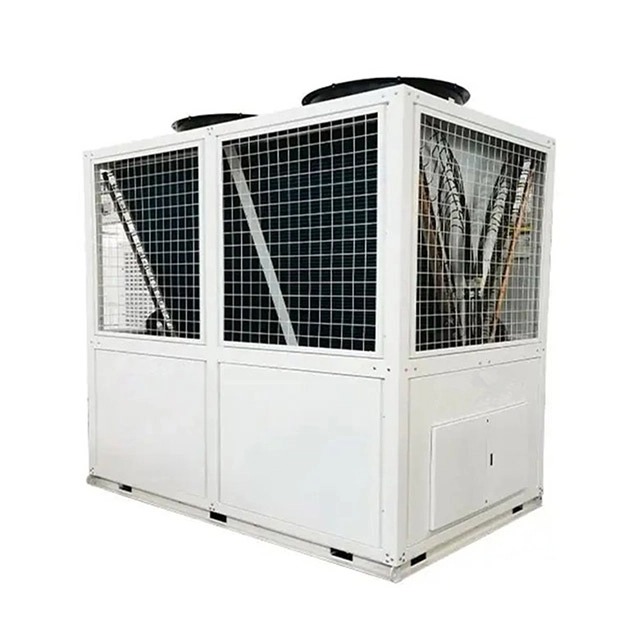
Water source heat pumps are used in various applications, offering numerous benefits. In industrial settings, they provide high-temperature heating for processes like food processing plant sterilization and chemical plant operations. They are also integral to coal-to-electricity projects, offering high-temperature heating solutions that replace traditional fossil fuel systems.
One of the primary advantages of WSHPs is their energy efficiency. By utilizing water as a heat exchange medium, these systems can achieve higher efficiency levels compared to air source heat pumps. This efficiency translates to lower operational costs and reduced environmental impact.
WSHPs contribute to environmental sustainability by reducing reliance on fossil fuels and lowering greenhouse gas emissions. They are a key component in the transition to cleaner energy solutions, supporting global efforts to combat climate change.
The life expectancy of a water source heat pump is influenced by various factors, including installation quality, maintenance practices, and the operational environment. With proper care, these systems can provide efficient and sustainable heating and cooling solutions for many years. For those interested in exploring the potential of water source heat pumps, understanding these factors is crucial for maximizing their investment. For more insights into the different types of heat pumps and their applications, you can visit the Leomon product page.
1. What is the typical lifespan of a water source heat pump?
A well-maintained water source heat pump can last between 15 to 25 years, depending on factors such as installation quality and maintenance practices.
2. How does a water source heat pump contribute to energy efficiency?
Water source heat pumps use water as a medium for heat exchange, achieving higher efficiency levels compared to air source heat pumps, leading to lower operational costs.
3. What are the environmental benefits of using a water source heat pump?
These systems reduce reliance on fossil fuels and lower greenhouse gas emissions, contributing to environmental sustainability and supporting efforts to combat climate change.
4. In which industries are water source heat pumps commonly used?
Water source heat pumps are used in industries such as food processing, chemical plants, and coal-to-electricity projects for high-temperature heating and sterilization processes.
5. What factors affect the life expectancy of a water source heat pump?
Factors include installation quality, maintenance practices, and the operational environment. Proper care and regular maintenance can extend the system's lifespan.
6. Are there different types of water source heat pumps for specific applications?
Yes, there are various types, such as the 75℃ High-Temp Water Source Heat Pump and the 120℃ Special High-Temp Water Source Heat Pump, each designed for specific heating needs.
7. How can I learn more about water source heat pumps and their applications?
For more detailed information on different types of heat pumps and their applications, you can visit the Leomon product page.


