


Views: 0 Author: Site Editor Publish Time: 2025-11-03 Origin: Site


The temperature range of a water source heat pump (WSHP) is a critical factor that influences its efficiency and application. As a versatile heating and cooling solution, WSHPs are gaining popularity across various industries, from residential buildings to industrial facilities. Understanding the temperature capabilities of these systems is essential for optimizing their performance and ensuring they meet the specific needs of different applications. This article delves into the temperature range of WSHPs, exploring the technological advancements that have expanded their capabilities, such as the High-Temperature Water Source Heat Pump and the 90℃ Ultra-High Temp Water Source Heat Pump.
Water source heat pumps are systems that utilize water bodies as a heat exchange medium. They are known for their efficiency and ability to provide heating and cooling by transferring heat between a building and a water source. The temperature range of a WSHP is determined by the temperature of the water source and the system's design. Typically, these systems operate efficiently within a temperature range of 5°C to 35°C. However, advancements in technology have extended this range significantly, allowing for applications in more extreme conditions.
Recent developments in WSHP technology have led to the creation of high-temperature models capable of reaching temperatures up to 120°C. These advancements are crucial for applications that require higher temperature outputs, such as industrial processes and food processing plant sterilization. The 120℃ Special High-Temp Water Source Heat Pump is an example of such innovation, providing solutions for industries that demand high-temperature heating.
High-temperature WSHPs are particularly beneficial in sectors that require consistent and reliable high-temperature outputs. For instance, in chemical plants, these systems are used for high-temperature heating processes. Similarly, in coal-to-electricity projects, WSHPs offer an efficient alternative for high-temperature heating, reducing reliance on traditional fossil fuels. Additionally, they play a vital role in the food and beverage industry, where precise temperature control is essential for processes like pasteurization and sterilization.
In a food processing plant, maintaining high temperatures is crucial for sterilization and ensuring product safety. A 90℃ Ultra-High Temp Water Source Heat Pump can provide the necessary heat for these processes, offering a sustainable and efficient solution. By utilizing the ambient water temperature and boosting it to the required levels, these heat pumps ensure that the plant operates within the stringent health and safety standards.
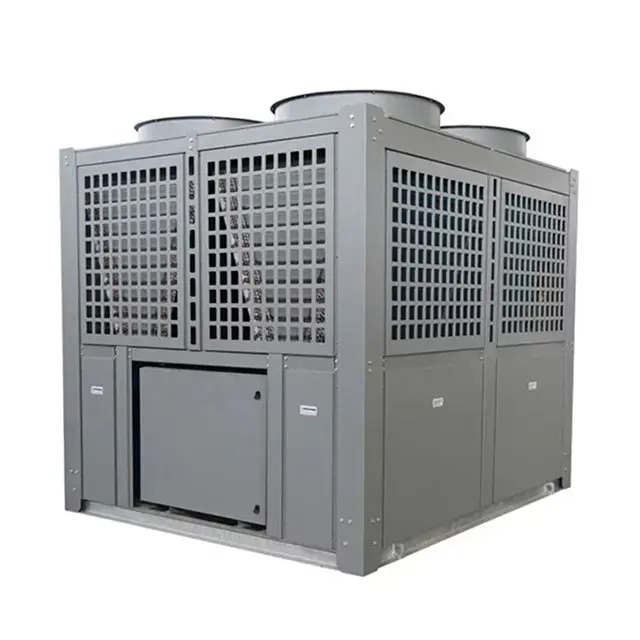
One of the significant advantages of WSHPs is their energy efficiency. By leveraging the relatively stable temperature of water sources, these systems can achieve higher coefficients of performance (COP) compared to air source heat pumps. This efficiency translates into lower energy consumption and reduced greenhouse gas emissions, aligning with global efforts to combat climate change. The use of natural refrigerants in modern WSHPs further enhances their environmental credentials, making them a preferred choice for sustainable building projects.
When compared to traditional heating systems, WSHPs offer several advantages. They are not only more efficient but also provide a cleaner energy solution. Traditional systems, such as boilers, rely on fossil fuels, contributing to higher carbon emissions. In contrast, WSHPs utilize renewable water sources, reducing the carbon footprint of heating operations. This shift is particularly evident in district heating projects, where WSHPs replace coal and gas boilers, offering a high-efficiency alternative.
Despite their benefits, WSHPs face certain challenges. The initial installation cost can be higher than traditional systems, and the availability of suitable water sources can limit their application. Moreover, the performance of a WSHP is highly dependent on the temperature and quality of the water source. Ensuring proper maintenance and regular monitoring is essential to optimize their efficiency and lifespan.
The life expectancy of a WSHP is generally between 15 to 20 years, depending on usage and maintenance. Regular servicing and monitoring of the system can extend its lifespan and ensure optimal performance. Advanced diagnostic technologies, such as intelligent remote diagnosis, are increasingly being integrated into WSHPs, allowing for proactive maintenance and reducing downtime.
Water source heat pumps represent a significant advancement in heating and cooling technology, offering a versatile and efficient solution for a wide range of applications. The expansion of their temperature range through technological innovations has opened new possibilities for industries requiring high-temperature outputs. As the world moves towards more sustainable energy solutions, WSHPs are poised to play a crucial role in reducing carbon emissions and enhancing energy efficiency. For those interested in exploring these systems further, the Domestic Heat Pump Water Heater offers a glimpse into the potential of these innovative technologies.
1. What is the typical temperature range of a water source heat pump?
Water source heat pumps typically operate efficiently within a temperature range of 5°C to 35°C, but advanced models can reach up to 120°C.
2. How do high-temperature water source heat pumps benefit industrial applications?
High-temperature WSHPs provide the necessary heat for processes like sterilization and pasteurization, offering a sustainable and efficient solution for industries.
3. What are the environmental benefits of using water source heat pumps?
WSHPs are energy-efficient and utilize renewable water sources, reducing carbon emissions and aligning with global sustainability goals.
4. What challenges do water source heat pumps face?
Challenges include higher initial costs, the need for suitable water sources, and dependency on water temperature and quality for optimal performance.
5. How long do water source heat pumps typically last?
With proper maintenance, WSHPs can last between 15 to 20 years, with regular servicing extending their lifespan.
6. What role do WSHPs play in district heating projects?
WSHPs replace traditional coal and gas boilers, offering a high-efficiency, low-emission alternative for centralized heating systems.
7. How does intelligent remote diagnosis benefit WSHP maintenance?
Intelligent remote diagnosis allows for proactive maintenance, reducing downtime and ensuring optimal system performance.


