Please Choose Your Language


Views: 0 Author: Site Editor Publish Time: 2026-07-19 Origin: Site


Commercial thermal water facilities face escalating energy demands and stringent decarbonization mandates. Profit margins shrink when relying on outdated infrastructure. Gas boilers carry heavy operational burdens and high emissions. Standard synthetic-refrigerant heat pumps fail to efficiently deliver the high-temperature water required for commercial hot springs. Facility managers need a reliable alternative to maintain operations without compromising environmental targets.
CO2 (R744) refrigerant technology serves as the engineering bridge. It aligns aggressive sustainability goals with the demanding, high-temperature realities of commercial spa operations. Transitioning to a CO2 Heat Pump for Hot Spring Resorts provides a robust path forward. You will learn how transcritical CO2 systems operate, why they outperform traditional heating methods, and how to implement them effectively in demanding environments.
Understanding the mechanics of CO2 refrigerants reveals why they excel in commercial heating. The transcritical CO2 cycle operates differently from traditional refrigerants. Standard refrigerants condense at a constant temperature. CO2 does not condense in the high-pressure side of the circuit. Instead, it undergoes gas cooling. This creates a temperature glide. The temperature glide perfectly matches the heating curve of cold municipal water. Heat transfer becomes highly efficient. This mechanism allows a high-temperature resort hot water system to generate usable heat rapidly.
Operating these systems requires managing extreme pressures. Water-heating CO2 systems operate between 1,700 psi and 2,100 psi. Modern commercial manufacturing ensures complete safety under these conditions. Heavy-duty transcritical compressors handle the mechanical load. Specialized high-pressure expansion valves regulate flow precisely. Double-wall gas coolers prevent cross-contamination between the refrigerant and the water supply. These robust components ensure long-term reliability in demanding resort environments.
Dual-source waste heat recovery integration maximizes system efficiency. Resorts generate massive amounts of residual heat. Upwelling thermal water carries significant thermal energy. Discharged hot water from sanitation dump cycles also contains recoverable heat. Feeding this waste heat back into the heat pump evaporator drastically boosts the system's COP. It accelerates heat generation and reduces the electrical load required to maintain optimal temperatures across the facility.
To properly implement waste heat recovery, facility engineers follow specific integration steps:
This engineering approach transforms wasted energy into a primary heating asset. You reduce reliance on grid power and stabilize heating output during peak guest hours.
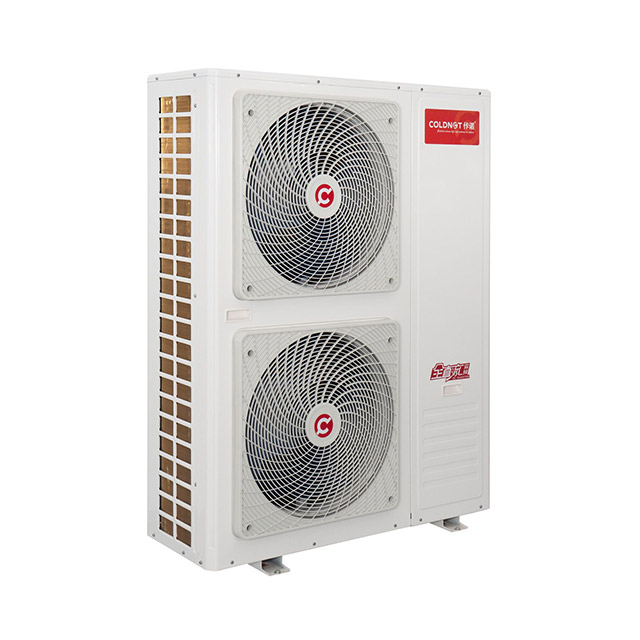
A successful hot spring resort heat pump system must meet rigorous operational standards. Sustained high-temperature output is non-negotiable. Facilities require reliable 60°C to 90°C water delivery. This hot water supports sanitation protocols, pool heating, and premium spa services. The system must maintain these temperatures regardless of fluctuating facility demand. Peak hours test the recovery rate of the heating infrastructure. CO2 systems excel by providing rapid, high-temperature recovery.
All-weather and cold climate performance dictates year-round viability. Mountain and northern resort climates experience severe winter conditions. Traditional air-source heat pumps lose significant efficiency when ambient temperatures drop below freezing. CO2 systems maintain a high COP even in sub-zero conditions. The unique thermodynamic properties of R744 allow it to extract heat from freezing air effectively. This ensures uninterrupted hot spring experiences for guests during peak winter seasons.
Footprint and modularity require careful facility planning. CO2 systems have specific physical space requirements. They rely heavily on large thermal storage tanks. These stratification tanks are critical for CO2 system efficiency. They allow the heat pump to operate in long, efficient cycles rather than short, inefficient bursts. Facility managers must allocate adequate mechanical room space to accommodate both the heat pump modules and the necessary thermal storage infrastructure.
When designing the mechanical room layout, consider these spatial requirements:
Evaluating a spa and pool heat pump solution requires comparing CO2 against established technologies. Natural gas boilers have dominated commercial heating for decades. However, they expose facilities to energy market volatility. CO2 systems eliminate on-site combustion. This removes fire hazards and local exhaust emissions. Transitioning to a CO2 heat pump system cuts direct thermal GHG emissions by over 60%. It removes tons of carbon from the resort's annual footprint, aligning with strict environmental regulations.
Comparing CO2 (R744) against synthetic refrigerants (R410A, R134a, R32) highlights distinct performance gaps. Synthetic refrigerants experience a rapid drop-off in efficiency and safety margins when pushed beyond 55°C. They struggle to meet the high-temperature demands of commercial hot springs. Furthermore, high-GWP synthetic refrigerants face regulatory phase-downs. F-Gas regulations and the Kigali Amendment restrict their future use. Natural CO2 provides a future-proof alternative with superior high-temperature performance.
| Performance Metric | CO2 Heat Pump (R744) | Natural Gas Boiler | Synthetic Heat Pump (R410A) |
|---|---|---|---|
| Maximum Water Temp | Up to 90°C | Up to 90°C+ | Typically limits at 55°C |
| On-Site Emissions | Zero | High (CO2, NOx) | Zero |
| Cold Weather COP | High efficiency maintained | N/A (Fuel dependent) | Significant efficiency drop |
| Refrigerant GWP | 1 (Natural) | N/A | 2088 (High, facing phase-down) |
| Combustion Hazard | None | High | None |
| Regulatory Risk | None | High (Emissions limits) | High (F-Gas phase-down) |
The data clearly shows the operational advantages of R744. You eliminate combustion risks while securing a refrigerant that will never face environmental bans. This stability allows facility managers to plan long-term infrastructure upgrades with confidence.
Deploying advanced heating infrastructure carries implementation risks. Capital expenditure (CAPEX) for CO2 equipment is higher than traditional alternatives. Facility managers must focus on long-term ROI. Calculate payback periods based on local electricity versus gas rates. Factor in available government decarbonization incentives. These incentives often offset the initial premium. The operational savings generated by the high COP quickly bridge the CAPEX gap over the equipment's lifecycle.
The insulation is enough misconception plagues commercial spa planning. Residential hot tubs rely on high-quality insulation to retain heat. Commercial hot spring resorts face entirely different thermal dynamics. They experience heavy thermal losses from continuous water evaporation. Mandatory daily turnover rates and high-volume sanitation flushes strip heat from the system constantly. Active, high-efficiency heating remains vital. Insulation alone cannot recover the massive thermal energy lost during standard commercial operations.
Thermal stratification determines the success of a CO2 installation. CO2 systems fail to achieve high efficiency if return water temperatures are too high. The gas cooler requires cold water to extract maximum heat from the refrigerant. Proper tank design and plumbing maintain a high Delta-T (temperature difference). Stratification tanks keep hot supply water separated from cold return water. Engineers must design the plumbing loops to ensure the heat pump always receives the coldest possible water.
Maintenance and technician availability require proactive management. High-pressure CO2 systems demand specialized training. Standard HVAC technicians may lack the expertise to service transcritical systems safely. Establish proactive maintenance contracts before installation. Ensure local technician availability. Regular inspections of high-pressure valves, compressors, and gas coolers prevent unexpected downtime. Partnering with qualified service providers guarantees the system operates at peak efficiency year-round.
To mitigate operational risks, implement this standard maintenance checklist:
Selecting the right manufacturing partner ensures project success. Look for a commercial CO2 heat pump supplier with a proven track record in hospitality. Verify case studies demonstrating successful deployments. The supplier must understand high-volume, continuous-use commercial spa environments. Ask for references from similar resort facilities. A supplier familiar with the unique demands of thermal water processing will anticipate engineering challenges before they arise.
Assess the vendor's engineering and customization capabilities. Off-the-shelf solutions rarely fit complex resort infrastructure. You need a custom heat pump system for resorts. The supplier must properly size the equipment based on peak load calculations. They must integrate thermal storage effectively. Seamless integration with existing Building Management Systems (BMS) is mandatory. The supplier's engineering team should collaborate directly with your facility managers to optimize the final design.
Define baseline requirements for warranties, parts, and service SLAs. Commercial warranties must cover high-stress components. Demand guaranteed uptime metrics in the service level agreement. Rapid availability of specialized CO2 components is crucial. Gas coolers, transcritical compressors, and high-pressure expansion valves must be stocked regionally. Extended lead times for replacement parts cause unacceptable facility downtime. A reliable supplier guarantees rapid parts dispatch and dedicated technical support.
When interviewing potential suppliers, ask these specific technical questions:
A CO2 heat pump for hot spring resorts stands as the premier choice for facilities requiring high-temperature water. It delivers demanding high efficiency while prioritizing deep decarbonization. Natural refrigerants future-proof your infrastructure against tightening environmental regulations. Facility managers must prioritize engineering compatibility over the lowest initial bid. The ability to maintain a high Delta-T and leverage supplier expertise dictates long-term success.
A: Commercial CO2 heat pumps can efficiently produce hot water up to 90°C (194°F). This high-temperature capability makes them ideal for sanitation protocols and commercial spa applications without needing backup electric heaters.
A: CO2 heat pumps maintain high efficiency even in sub-zero temperatures. The unique thermodynamic properties of R744 allow it to extract heat from freezing ambient air much more effectively than standard synthetic refrigerants.
A: Yes. Modern commercial CO2 systems are engineered specifically for these pressures. They utilize heavy-duty transcritical compressors, specialized high-pressure expansion valves, and robust double-wall gas coolers to ensure complete operational safety.
A: Yes, a properly sized CO2 heat pump system with adequate thermal storage can fully replace a commercial gas boiler, eliminating on-site combustion and drastically reducing greenhouse gas emissions.
A: CO2 systems operate most efficiently in long, continuous cycles. Large thermal stratification tanks store the generated heat and ensure the heat pump receives the cold return water necessary to maintain a high Delta-T.
A: Commercial resorts face massive heat losses from continuous surface water evaporation, mandatory daily water turnover, and high-volume sanitation flushes. Insulation cannot replace the active thermal energy lost during these processes.
A: Payback periods vary based on local utility rates and government decarbonization incentives. The high operational efficiency and elimination of fossil fuel costs typically result in a favorable return on investment over the equipment's lifecycle.


