


Views: 0 Author: Site Editor Publish Time: 2025-10-09 Origin: Site


A swimming pool heat pump uses electricity to move heat from the air into your pool water. This makes swimming comfortable even when it is cold outside. The process has steps like air intake, heat absorption, compression, and heat transfer. These steps happen again and again in a cycle. More people want pools that save energy. Picking the right unit and installing it the right way is important. Leomon is known for reliable and new heat pump technology. People all over the world trust it.
A swimming pool heat pump uses electricity to move heat from the air into the pool water. This makes swimming comfortable even when it is cold outside. The heating process has four main steps: air intake, heat absorption, compression, and heat transfer. These steps repeat again and again to keep the pool warm. Picking a good brand like Leomon gives you better features, saves energy, and helps your heat pump last longer. Swimming pool heat pumps use less energy than gas heaters. This means you pay less for bills and help the environment. They are a better choice for the planet. Cleaning coils and checking airflow often helps your heat pump work well and last longer.
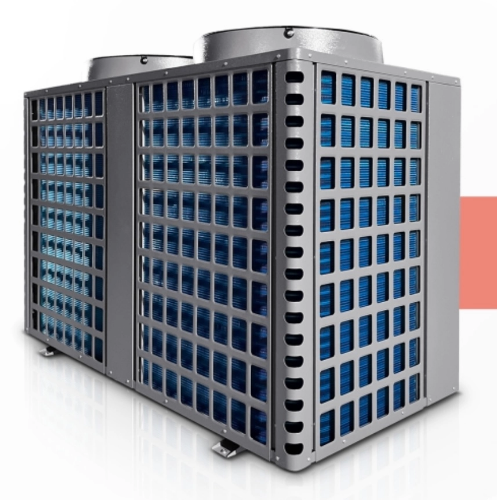
Have you ever thought about how pool heat pumps work? Let’s look at each step so you can understand the process.
First, the swimming pool heat pump takes air from outside. A fan moves this air over coils inside the unit. It works like a quiet vacuum cleaner, but it looks for heat in the air. Even on cool days, it finds warmth. The warmer the air, the easier the heat pump works. If it is above 50ºF outside, the heat pump works best. Humid air helps because moisture has more heat. Pools heat up faster on warm, muggy days.
Tip: If you live where the air is warm most of the year, your swimming pool heat pump will work better and save you money.
Now, the process gets interesting. The air goes over the evaporator coil. This coil has a special liquid called refrigerant. The refrigerant acts like a sponge and takes heat from the air. Even if the air feels cold, there is still heat for the refrigerant to grab. How well this works depends on air temperature and humidity. If the air is warmer and wetter, the heat pump absorbs more heat and works faster.
Next, the refrigerant moves to the compressor. The compressor squeezes the refrigerant and makes it hotter. Think about pressing a bike pump; the air gets warmer. The same thing happens with refrigerant. This step is important for making the heat stronger before it goes to your pool water.
Here is a table that shows how efficient this step can be:
COP Range | Description |
|---|---|
1.5 - 4 | Changes based on system type; wider for air-source, narrower for ground/water-source. |
2.5 | Minimum needed for EU law. |
3 - 4 | Most modern heat pumps have these COPs when conditions are good. |
A higher COP means your pool heat pump uses less electricity to move more heat. This saves you money.
Now, it is time to warm your pool. The hot refrigerant goes through a heat exchanger. Here, it meets the pool water. The heat moves from the refrigerant into the water. This makes the pool warmer. The refrigerant cools down and gets ready to start again. Most swimming pool heat pumps can raise the water temperature by 1-2°F each hour. If you want to know how much energy you need, use this formula:
(Surface Area of Pool) x (Temperature Increase) x 12 = BTUs needed
This step is where you notice the change. You get a warm pool, even if the weather is not perfect.
The process does not stop after one time. Your swimming pool heat pump repeats this cycle many times each hour. Most units do this two to six times per hour. There is usually a short break of ten to twenty minutes between cycles. This keeps your pool warm without wasting energy.
Note: Modern pool heat pumps, like the ones from Leomon, use smart thermostatic controls. These controls help your system run only when needed. This saves energy and money.
Leomon makes swimming pool heat pumps with advanced features. These features make your life easier and your pool more fun. Our units use cabinets that resist corrosion. This helps them last longer in tough weather. Smart thermostatic controls help you manage the temperature better. EVI technology helps the heat pump work well, even in cold places. We build our products to meet top certifications. This means you get safe, efficient, and long-lasting equipment.
Technology | Description |
|---|---|
Corrosion-resistant cabinets | Protects the unit from damage, making it last longer. |
Smart thermostatic controls | Lets you control the temperature better, making it more comfortable and efficient. |
EVI technology | Helps the heat pump work well in cold weather, so it works all year. |
Certification | Description |
|---|---|
LVD | Makes sure low-voltage equipment is safe and follows rules. |
EMC | Makes sure devices work without causing interference and follow rules. |
TÜV | Shows innovation and safety, trusted by industry partners and users. |
CE | Proves the product is safe and follows health and environmental rules in the EEA. |
We help homes, hotels, gyms, and schools around the world enjoy warm pools with less energy.
If you have questions about sizing, installation, or using your pool heat pump, our team is ready to help. With Leomon, you get new ideas, reliability, and support every step of the way.
Inside a swimming pool heat pump, you see many parts. Each part has a job to help heat your pool water well. These parts work together to make your pool warm and safe. Let’s look at what each part does and why it is important.
The fan brings air from outside into the heat pump. It pushes the air over the evaporator coil. The fan is like the breath of the heat pump. A strong fan helps the system work better and saves energy. Leomon uses fans that are quiet and advanced. This means you get good airflow and less noise, even when heating your pool for a long time.
The evaporator coil is where heat starts to move. It takes heat from the air and gives it to the refrigerant. Leomon uses titanium for the evaporator coil. Titanium does not get damaged by pool chemicals or bad weather. This makes your heat pump last longer and work better. Here is why titanium is the best:
Material Used | Durability Features |
|---|---|
Titanium | Does not rust, handles pool chemicals, lasts many years |
The compressor is like the heart of the heat pump. It squeezes the warm refrigerant and makes it hotter. The kind of compressor you have changes how much energy you use. Variable compressors in Leomon’s heat pumps change speed to fit your pool’s needs. This helps you save energy and money.
The type of compressor changes how efficient your heat pump is.
Variable speed compressors use less power and keep your pool warm.
The condenser moves heat from the refrigerant to your pool water. It acts like a bridge, sending warmth from inside the heat pump to your pool. Leomon’s condensers use strong materials. This helps you get fast and even heating every time you use your heat pump.
The refrigerant is a special liquid that carries heat in the system. Picking the right refrigerant helps your heat pump work well and helps the planet. Leomon uses new refrigerants in its swimming pool heat pumps. These refrigerants balance good performance and care for the environment. Here is a quick look:
Refrigerant | Environmental Impact | Notes |
|---|---|---|
R-410A | Works well, higher GWP | Good for small pools |
R-32 | Lower GWP, better for nature | Good choice for the planet |
R-290 | Very green, but flammable | Needs careful use |
Tip: Leomon’s swimming pool heat pumps use trusted parts from top suppliers. This means you get a system that works well and lasts a long time for your home, hotel, gym, or school pool.
Do you want to know how a swimming pool heat pump saves money? These systems use electricity to move heat, not make it. This means you use less energy than with gas heaters. Over time, your bills get lower and you save more. The payback time for a swimming pool heat pump is about 5.55 years. You save around $990 each year. Gas heaters cost much more to run, sometimes five times more. If you want to keep your pool warm and save money, heat pump pool heaters are a smart pick.
Heating System | Average Payback Period |
|---|---|
Swimming Pool Heat Pump | 5.55 years |
Solar Pool Heater | 2.35 years |
Gas Heater | Shorter lifespan, higher costs |
Tip: Clean coils and check airflow often. This helps your pool heat pump work well for a long time.
Do you want your pool to stay at a good temperature all season? Swimming pool heat pumps give steady and even heating. Your pool water stays the same temperature. You do not have to worry about big changes. Gas heaters can make the temperature jump up and down. Heat pumps keep things stable. They work well even when the air is cool because they pull heat from the air. Here’s why you can trust them:
Steady heating for your pool.
No big temperature jumps like with gas heaters.
Works well in cooler weather.
Do you want a greener way to heat your pool? Electric swimming pool heat pumps are better for the planet than gas heaters. They use electricity and move heat, so they have a smaller carbon footprint. You help cut greenhouse gas emissions and protect nature. If you care about the earth, this is a good choice.
Electric heat pumps use electricity, not fossil fuels.
They have a smaller carbon footprint than gas heaters.
They help lower greenhouse gas emissions.
Leomon is a leader in new ideas and global standards. You get features like strong compressors, enamel coatings that last, and digital screens for easy changes. Leomon’s swimming pool heat pumps meet many certifications like EN 14511, EN 14825, TÜV, CE, CB, IEC, ERP, SAA, ROHS, and MCS. You can trust your pool heat pump to work well and last a long time.
Feature | Description |
|---|---|
BTU Output | 70,000 |
Pool Compatibility | 18 x 33 oval, 27 foot round, above ground pools, 15,000 gallon pools |
Compressor | High differential compressor |
Coating | Enamel coating for durability |
Display | Digital display for quick adjustments |
Standard/Certification | Description |
|---|---|
EN 14511 | Standard for air conditioners and heat pumps. |
EN 14825 | Standard for the testing and rating of heat pumps. |
T Ü V | Certification for product safety and quality. |
CE | Mark for products sold in the European Economic Area. |
CB | System for accepting test reports worldwide. |
IEC | International Electrotechnical Commission standards. |
ERP | Energy-related Products directive. |
SAA | Standards Association of Australia certification. |
ROHS | Restriction of Hazardous Substances directive. |
MCS | Microgeneration Certification Scheme. |
Want a warm pool that saves energy? Pick Leomon for certified, smart swimming pool heat pumps. They keep your pool comfy and your costs low.
You’ve seen how a swimming pool heat pump takes air, absorbs heat, compresses it, and transfers warmth to your pool. This cycle keeps your water comfortable. Why do so many pool owners pick heat pumps? Check out this table:
Reason | Benefit |
|---|---|
Energy savings | Lower costs |
No fossil fuels | Greener choice |
Consistent heating | No big temperature swings |
Works in cool climates | Longer swimming season |
Smart, quiet operation | Easy and peaceful use |
Here’s what you get with a heat pump:
Efficient heating for your pool.
Lower bills and long-term savings.
Reliable performance and a smaller carbon footprint.
If you want advanced, certified solutions, Leomon has you covered. You’ll enjoy a warm pool, save energy, and help the planet.
You usually see a temperature rise of 1–2°F per hour. The exact time depends on your pool size, starting temperature, and the heat pump’s power.
Yes, you can. Leomon’s advanced EVI technology lets your heat pump work efficiently, even when the air is chilly. You get reliable heating all year.
You use much less energy than with gas heaters. Most swimming pool heat pumps have a COP of 3–4, meaning you get three to four times more heat than the electricity used.
You should clean the coils, check airflow, and inspect the fan regularly. This keeps your heat pump working well and helps it last longer.
Yes! Swimming pool heat pumps use electricity and move heat, so they produce fewer greenhouse gases. You help protect the environment while keeping your pool warm.


