Please Choose Your Language


Views: 0 Author: Site Editor Publish Time: 2026-07-29 Origin: Site


Universities face increasing regulatory and institutional pressure to decarbonize campus infrastructure without compromising utility reliability for high-density student housing. Traditional gas boilers fail to meet modern sustainability mandates, while standard synthetic refrigerant heat pumps struggle to efficiently deliver the high-temperature water required during extreme morning and evening dormitory peak usage times. Evaluating a CO2 Heat Pump for University Dormitories provides a high-efficiency, low-Global Warming Potential (GWP) alternative. This guide breaks down the engineering realities, financial trade-offs, and procurement criteria facility managers must analyze before transitioning their campus hot water infrastructure.
Student housing presents unique usage patterns characterized by severe, concentrated hot water demand spikes. Peak usage typically occurs between 7:00 AM and 9:00 AM, followed by another intense surge from 6:00 PM to 9:00 PM. These concentrated draws strain conventional heating systems, requiring rapid recovery rates and massive storage capacities. A properly engineered university dormitory hot water system must handle these extreme fluctuations without allowing supply temperatures to drop below safe thresholds.
To understand the severity of these spikes, facility engineers must analyze the hourly draw profile of a typical high-density student residence. Unlike commercial office buildings or standard multifamily apartments, dormitories experience near-simultaneous fixture usage. Hundreds of students showering within a narrow two-hour window creates a massive volumetric demand that quickly depletes standard thermal storage tanks if the recovery system cannot keep pace.
| Time Period | Demand Level | System Impact |
|---|---|---|
| 12:00 AM - 6:00 AM | Minimal | Optimal time for heat pump recovery and thermal storage charging. |
| 6:00 AM - 9:00 AM | Extreme Peak | Rapid depletion of stored hot water; maximum stress on mixing valves. |
| 9:00 AM - 5:00 PM | Low to Moderate | Secondary recovery period; intermittent usage from staggered schedules. |
| 5:00 PM - 9:00 PM | High Peak | Secondary draw spike from evening showers and athletic facility usage. |
Modern universities are actively driving carbon-neutral heating by integrating centralized heat pump solutions into existing campus district energy networks. The institutional shift toward phasing out fossil-fuel reliance mandates replacing decentralized gas boilers with electrified, high-efficiency alternatives. District energy networks allow campuses to centralize thermal production, distributing hot water across multiple buildings to balance loads and improve overall system efficiency.
Standard air-source heat pumps utilizing hydrofluorocarbons (HFCs) face significant limitations in these environments. They struggle with the high temperature lift required to produce water at 140°F or higher. Maintaining these elevated temperatures is necessary for safe, legionella-free domestic hot water in large-scale residential buildings. When HFC systems attempt to reach these temperatures, their efficiency drops drastically, and compressor wear accelerates. The physical properties of synthetic refrigerants simply do not align with the high-lift requirements of single-pass commercial water heating.
Facility engineers can draw valuable lessons from multifamily housing retrofits. Centralized piping configurations optimized for high-occupancy layouts reduce distribution losses and simplify maintenance. Applying these multifamily retrofit strategies to dormitory environments ensures that centralized heat pump plants deliver consistent pressure and temperature to hundreds of individual fixtures simultaneously. By utilizing primary-secondary pumping arrangements, engineers can decouple the heat pump generation loop from the building distribution loop, allowing each to operate at its optimal flow rate.
A large-capacity CO2 heat pump absorbs heat from ambient sources and achieves superior efficiency in single-pass water heating applications. CO2 (R744) operates in a transcritical cycle, allowing it to deliver hot water at 140°F to 180°F even in cold climates. This high-temperature output perfectly matches the requirements of institutional domestic hot water systems, eliminating the need for supplemental electric resistance heating under normal operating conditions.
The transcritical nature of the CO2 cycle means that heat rejection occurs without condensation. Instead of a traditional condenser, CO2 systems utilize a gas cooler. As the supercritical CO2 glides down in temperature through the gas cooler, it transfers heat to the domestic water in a highly efficient, continuous process. This temperature glide perfectly matches the heating curve of cold city water entering the system, resulting in exceptional heat transfer efficiency and high Coefficient of Performance (COP) ratings.
CO2 systems offer exceptional engineering flexibility by utilizing different ambient thermal sources. Facility managers must evaluate the specific site conditions to determine the most effective heat source for their campus.
Regulatory compliance and alignment with university ESG goals demand future-proof technology. CO2 has a Global Warming Potential (GWP) of 1, compared to traditional synthetic refrigerants which often possess GWP ratings exceeding 1,000. As environmental regulations phase out high-GWP refrigerants, investing in R744 technology shields universities from future compliance penalties and mandatory equipment replacements. Facility teams avoid the costly cycle of retrofitting equipment every decade to accommodate the latest refrigerant phase-down mandate.
When paired with stratified thermal storage, CO2 systems allow universities to shift electrical loads to off-peak hours. This grid interactivity reduces demand charges and eases the strain on local electrical infrastructure. By generating and storing hot water overnight, campuses maximize the financial benefits of time-of-use utility rates while ensuring full tanks before the morning demand spike. Effective stratification ensures that the coldest water remains at the bottom of the tank, feeding directly into the heat pump to maintain the high temperature differential required for optimal transcritical efficiency.
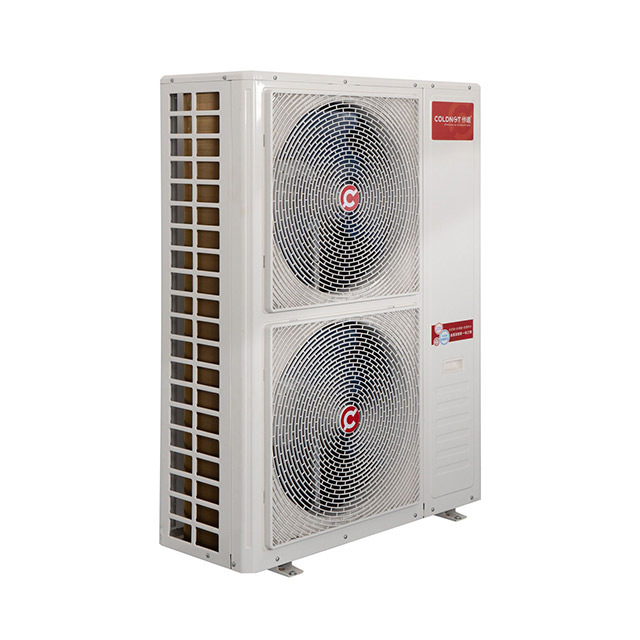
Implementing a modular campus hot water system requires careful evaluation of physical footprint requirements, system sizing, and structural constraints. Engineers must balance the recovery capacity of the heat pump against the volumetric capacity of the thermal storage tanks to create a resilient, efficient system.
The critical ratio between heat pump recovery capacity and thermal storage volume dictates system success. Engineers must size the system to prevent cold-water events during peak dormitory usage without massively over-sizing the heat pump unit. An undersized thermal battery forces the heat pump to short-cycle during peak draws, while an oversized heat pump wastes capital expenditure and electrical capacity.
Analyzing real-world pilot data and performance studies from dormitory testing establishes baseline COP expectations under actual occupancy loads. Proper stratification within the storage tanks ensures that the heat pump receives the coldest possible return water, maximizing the efficiency of the CO2 gas cooler. System designers must prioritize single-pass heating configurations to maintain this vital temperature differential. In a single-pass setup, water enters the heat pump at ground temperature (e.g., 50°F) and exits at the target storage temperature (e.g., 150°F) in one continuous flow.
| Sizing Approach | Heat Pump Capacity | Storage Volume | Operational Result |
|---|---|---|---|
| Load Shifting (Recommended) | Moderate | Very Large | Maximizes off-peak charging; lowest electrical demand; highest resilience. |
| Balanced Sizing | High | Moderate | Standard approach; requires reliable electrical infrastructure during peak hours. |
| Instantaneous (Not Recommended) | Massive | Minimal | Severe electrical demand spikes; poor efficiency; high risk of cold water events. |
High-capacity storage tanks demand significant square footage and vertical clearance. Facility teams must assess structural load considerations for roof-mounted units versus basement mechanical rooms. Water is heavy, and retrofitting older dormitories often requires reinforcing concrete slabs or utilizing distributed, modular tank arrays to spread the structural load. When placing equipment on rooftops, engineers must account for wind loads, vibration isolation, and the logistical challenges of piping high-temperature water down through multiple building stories.
The engineering reality of CO2 transcritical cycles involves high-side operating pressures ranging from 1,700 psi to 2,100 psi. These pressures demand specialized component specifications. Gas coolers, double-walled heat exchangers, piping, expansion valves, and compressors must be explicitly rated for high-pressure environments. Routine maintenance protocols must include rigorous pressure testing and leak detection to ensure long-term operational safety. Facility teams must transition away from standard plumbing practices and adopt industrial-grade pipefitting standards when servicing the refrigerant side of these systems.
Evaluating the financial viability of a CO2 heat pump requires looking beyond the initial purchase order. Facility managers must analyze the long-term operational savings, maintenance requirements, and available funding mechanisms to build a comprehensive financial model.
CO2 heat pump equipment requires a higher initial capital cost compared to standard gas boilers or conventional HFC heat pumps. The specialized compressors, high-pressure piping, and stainless-steel components drive up procurement expenses. However, facility managers must model the return on investment based on documented energy savings from high-density residential installations. Extended equipment lifespans, reduced carbon tax liabilities, and significantly lower monthly utility bills offset the initial expenditure over the system's operational life. The superior COP of CO2 systems in cold climates means that less electrical energy is consumed to produce the same volume of hot water, directly reducing operating expenses.
Funding mechanisms available for higher education energy efficiency projects can significantly offset initial procurement costs. Universities should actively pursue federal tax credits, local utility rebates, and state-level decarbonization grants. Many utility providers offer custom incentives for load-shifting technologies, rewarding campuses that install large thermal storage systems alongside their heat pumps. By demonstrating how the CO2 system reduces peak electrical demand on the local grid, universities can often negotiate substantial custom rebates that drastically improve the project's financial metrics.
Transitioning a campus to CO2 heat pump technology involves navigating complex mechanical and logistical challenges. Identifying these risks early in the design phase allows engineering teams to implement effective mitigation strategies.
Retrofitting legacy buildings introduces risks such as incompatibility with existing piping, integration bottlenecks with old district heating networks, and inadequate electrical infrastructure. Older dormitories may lack the amperage required to support commercial heat pump compressors. To mitigate these risks, engineering teams must conduct comprehensive pre-installation audits. Upgrading electrical panels for increased amp draw is often necessary. Utilizing secondary heat exchangers isolates the high-pressure transcritical loops from older, fragile building distribution systems, protecting legacy plumbing from pressure-related failures.
Furthermore, existing building recirculation loops often return water at elevated temperatures (e.g., 110°F to 120°F). Feeding this warm return water directly back into a CO2 heat pump destroys the efficiency of the transcritical cycle. Engineers must design dedicated recirculation management strategies, such as utilizing a separate, smaller heat pump specifically for maintaining loop temperature, or employing multipass tank configurations to ensure the primary CO2 unit only receives cold makeup water.
Partnering with an inexperienced vendor risks project failure. Vendor lock-in with proprietary parts or selecting a partner lacking institutional project experience can cripple long-term maintenance efforts. Universities must vet a commercial heat pump water heater supplier based on their capability to design and deliver a fully customized OEM CO2 heat pump project solution. Procurement contracts should require transparent maintenance training programs for in-house university facility teams and guarantee access to non-proprietary replacement components. A reliable supplier will provide detailed submittals, performance curves at various ambient temperatures, and comprehensive commissioning support.
An engineered CO2 heat pump represents a highly viable, future-proof technology for decarbonizing university domestic hot water systems. Facility teams must accurately account for thermal storage needs and transcritical design specifications to ensure reliability during peak student usage hours. Prioritizing suppliers with proven OEM capabilities and modular designs engineered for institutional integrations guarantees long-term operational success.
A: When properly maintained, commercial CO2 heat pumps typically operate reliably for 15 to 20 years. Their lifespan depends heavily on routine servicing of high-pressure components, maintaining optimal water quality to prevent heat exchanger scaling, and ensuring the system does not short-cycle due to inadequate thermal storage.
A: CO2 refrigerants possess excellent low-temperature thermodynamic properties. Air-source units can efficiently extract heat from ambient air down to -20°F. They utilize intelligent defrost cycles to prevent ice buildup on evaporator coils, while thermal storage tanks provide a continuous hot water supply during brief defrost interruptions.
A: CO2 systems require specialized technicians trained to handle high transcritical pressures (up to 2,100 psi). Maintenance focuses on compressor diagnostics, electronic expansion valve calibration, and leak detection, whereas gas boilers require combustion analysis, flue inspections, and burner tuning. Both require routine water quality management.
A: Yes. Custom OEM solutions can be engineered to tie into district energy networks. They often utilize water-to-water configurations, extracting thermal energy from district cooling return lines or low-temperature geothermal loops to produce high-temperature domestic hot water for individual dormitory buildings.
A: CO2 (R744) must operate in a transcritical state to achieve the high temperatures required for commercial water heating. Safety is managed through heavy-duty, pressure-rated components, electronic pressure relief valves, double-walled heat exchangers, and automated control systems that shut down the unit if pressure exceeds safe thresholds.
A: Ground-source and water-source systems generally yield higher, more stable year-round efficiencies (COP) because they draw from constant-temperature sources. Air-source systems experience fluctuating efficiencies based on seasonal weather but require less invasive infrastructure, making them easier and less expensive to retrofit into existing campus environments.
A: Storage volume depends on the building's peak demand and the heat pump's recovery rate. Engineers typically size tanks to hold enough water to cover the entire 2-to-3 hour morning peak load, allowing a smaller heat pump to recharge the tanks slowly over the subsequent off-peak hours.


