Please Choose Your Language


Views: 126 Author: Site Editor Publish Time: 2026-06-29 Origin: Site


Choosing between rapid, on-demand heating and long-term energy efficiency forms a classic dilemma. Every pool owner eventually faces this tough choice when upgrading their equipment. The wrong decision carries steep consequences. You could easily waste thousands of dollars in monthly utility bills over the lifespan of the equipment. Alternatively, you might stare at a freezing, unswimmable pool during crucial vacation months.
We built this objective, skeptical-friendly guide to help you navigate these exact pitfalls. It bypasses the marketing fluff to examine real-world performance metrics. You will learn about strict climate dependencies and the daily operational realities of both primary systems. We thoroughly analyze upfront expenses alongside ongoing operational expenditures to give you the hard facts. Our ultimate goal is to help you make a financially sound, long-lasting decision for your property.
A swimming pool heat pump costs more upfront but operates at a fraction of the cost, making it ideal for maintaining a constant temperature over a long season.
Gas heaters provide rapid, on-demand heating regardless of ambient air temperature, best suited for spas, weekend-only use, or harsh winter climates.
Commercial operations (like hotels) often benefit from hybrid systems to balance operational expenditure (OpEx) with guaranteed guest satisfaction.
The 50°F (10°C) ambient air threshold is the critical evaluation point for heat pump viability.
Pool owners must solve a basic physics problem before purchasing equipment. You have to decide whether to generate entirely new heat or transfer existing heat. This fundamental difference dictates your entire financial return. Understanding these mechanics prevents costly purchasing errors.
Gas heaters rely on active combustion. They burn natural gas or liquid propane inside a controlled combustion chamber. The system pumps pool water through a heavy-duty copper heat exchanger. The burning fuel heats the copper. This transfers the generated heat directly into the circulating water. We measure their success using thermal efficiency. Industry standards indicate most modern gas models operate between 80% and 95% efficiency. This means up to 20% of the consumed energy escapes as wasted exhaust gas. You essentially pay for fuel you never actually use.
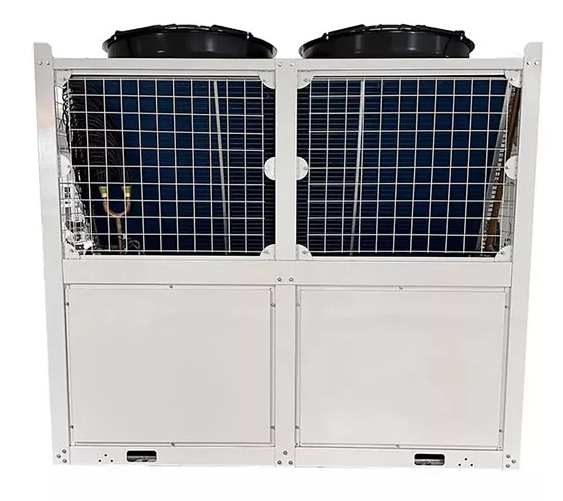
Conversely, the technology behind a swimming pool heat pump operates exactly like a reverse air conditioner. It uses a closed refrigeration cycle to capture ambient heat from the outside air. Liquid refrigerant flows through an evaporator coil while warm outside air blows across it. The refrigerant absorbs the heat and turns into a warm gas. A compressor then pressurizes this gas, creating intense heat. The hot gas passes through a titanium condenser where the pool water absorbs this heat. Finally, an expansion valve resets the cycle. The system only uses electricity to power the fan and the compressor. It never uses electricity to create heat directly.
We measure this efficiency using the Coefficient of Performance (COP). If a unit boasts a COP of 5.0, it produces five units of heat output for every one unit of electrical input. This translates to an effective efficiency rating of 500%. Engineering frameworks established by institutions like ASHRAE highlight this as the most sustainable way to heat large bodies of water.
Evaluating your financial investment requires looking beyond the sticker price. We must separate initial capital expenditure (CapEx) from ongoing operational expenditure (OpEx). Making a decision based solely on the purchase price represents a common mistake among new pool owners.
First, consider your initial CapEx. Gas heaters generally present much lower equipment and installation costs. This remains especially true if your property already features dedicated, properly sized gas lines. You simply connect the unit and start heating. In contrast, heat pumps command a significantly higher initial unit price. The installation often requires a dedicated 220V electrical circuit upgrade. You will likely need to hire a licensed electrician. This electrical work easily adds hundreds or thousands to your day-one costs.
However, ongoing OpEx paints a completely different picture over time. We evaluate operational efficiency by calculating the cost per 100,000 BTUs of heat generated. Natural gas and propane prices fluctuate wildly based on global commodity markets. This volatility makes accurate seasonal budgeting incredibly difficult. Heat pumps leverage highly predictable, regulated electricity rates. Thanks to their high COP ratings, their monthly operational costs remain significantly lower. You often save 50% to 80% on monthly utility bills compared to gas.
Lifespan and maintenance realities further separate the two technologies. Gas heaters typically survive 5 to 10 years. Their internal components remain highly susceptible to chemical corrosion and calcium scaling. The constant, intense heat of combustion accelerates internal wear and tear. Heat pumps routinely last 10 to 15 years or longer. They contain fewer combustible parts. Premium units utilize pure titanium heat exchangers. These titanium components actively resist chemical corrosion. They withstand poor water chemistry much better than copper. This extends the unit's lifecycle and reduces expensive service calls.
Heating System Cost Breakdown
Feature | Gas Heater | Heat Pump |
|---|---|---|
Initial Purchase Price | Lower | Higher |
Installation Requirements | Gas line hookup | Dedicated 220V breaker |
Monthly Operational Cost | High (Subject to gas market) | Low (Leverages high COP) |
Average Lifespan | 5 to 10 Years | 10 to 15+ Years |
Speed and climate dictate how you actually use your pool. We must examine the "weekend" versus "daily" use factor to align the technology with your lifestyle.
Gas heaters act incredibly fast. They can easily raise pool temperatures by 1°F to 3°F per hour. This rapid response makes them ideal for spontaneous weekend heating. You can turn the system on Friday morning. You will swim comfortably by Friday evening. They deliver instant gratification. This speed proves essential if you only heat an attached spa for a quick evening soak.
Heat pumps raise temperatures much more slowly. They often warm the water by less than 1°F per hour. You cannot use them for spontaneous, last-minute heating. Instead, manufacturers design them to reach a specific set temperature and maintain it continuously. You leave the unit running throughout the entire season. It acts as a baseline climate control system for your water.
Next, you must understand the climate dependency rule. The 50°F (10°C) ambient air threshold serves as the critical breaking point. Heat pumps extract warmth directly from the surrounding air. Therefore, they lose efficiency as ambient temperatures drop. The colder the air, the harder the compressor works. Below 50°F, most standard units shut down completely. This auto-shutoff prevents the evaporator coils from freezing solid. Gas heaters operate completely independently of air temperature. They guarantee a steaming warm pool even in sub-freezing, snowy weather.
Commercial environments introduce entirely different operational pressures. For the hospitality sector, maintaining a steady water temperature of 82°F to 85°F represents a non-negotiable success criterion. Guest retention plummets rapidly if the resort pool feels cold. You cannot compromise on comfort when managing a business.
Deploying a commercial pool heat pump fundamentally transforms a facility's bottom line. High-volume pools require massive, continuous energy loads. We see this constantly in Olympic-sized facilities and large community centers. Switching from traditional gas systems to high-capacity heat pumps yields incredible OpEx savings. The monthly utility reduction often pays for the upgraded commercial equipment within just a few seasons. Facility managers appreciate the predictable budgeting.
Many premium facilities adopt a sophisticated hybrid approach. A dedicated hotel resort pool heat pump is frequently installed alongside a heavy-duty gas heater. The heat pump handles 90% of the daily baseline heating. It runs continuously at maximum efficiency during the day. The gas heater serves as a strategic backup. Smart controllers monitor the water automatically. The gas heater kicks in during sudden ambient temperature drops or unexpected high-demand periods. This hybrid strategy ensures perfect water temperatures while strictly controlling exorbitant energy costs.
Making the final choice requires an honest assessment of your habits and your geographic location. Use the specific scenarios below to guide your purchase and avoid buyer's remorse.
Scenario A: Choose a Gas Heater if...
You only heat an attached spa or use the pool sporadically on random weekends.
You live in a northern region characterized by short, extremely cold swimming seasons.
Electricity rates in your local area are exorbitant compared to cheap natural gas prices.
You demand instant heating gratification without waiting days for the water to warm up.
Scenario B: Choose a Heat Pump if...
You prefer to swim daily and want to keep the pool constantly warm all season.
You reside in a mild, warm, or humid climate like the Sunbelt states or coastal regions.
You actively want to minimize your carbon footprint.
You want to maximize long-term financial returns through drastically lower monthly utility bills.
Finally, sizing considerations remain paramount. Never guess your capacity. Follow these specific calculation steps to prevent undersizing your equipment:
Calculate your exact pool surface area in square feet.
Determine your desired temperature rise by subtracting the average coldest air temperature from your target water temperature.
Factor in environmental variables like constant wind exposure and local humidity levels. Industry best practices suggest adding a 20% buffer if your pool lacks a physical windbreak.
An undersized unit will run continuously. It will burn through electricity without ever reaching your target temperature. Always consult an expert to verify your math.
Let us finalize the verdict. Gas heating clearly wins when evaluating speed and extreme cold performance. Conversely, heat pumps win decisively regarding continuous efficiency and low ongoing operational costs. They represent the smartest long-term investment for daily swimmers in moderate climates.
As a next step, calculate your local utility rates. Honestly assess your weekly swimming habits before making a purchase. Determine if you are a spontaneous weekend warrior or a dedicated daily swimmer.
Most importantly, vet your equipment sources carefully. Partnering with a reliable swimming pool heat pump supplier ensures you get lasting value. Always look for AHRI-certified equipment to guarantee performance claims. Demand pure titanium heat exchangers to prevent chemical corrosion. Finally, insist on comprehensive warranties and verify that replacement parts are readily available in your local market.
A: Yes. Many commercial and residential owners install hybrid systems. The heat pump runs continuously to maintain baseline temperatures highly efficiently. The gas heater activates only for rapid heating or during sudden cold snaps. This dual approach maximizes year-round comfort while keeping utility bills manageable.
A: Yes, they function at night. However, they operate at slightly lower efficiency due to cooler ambient air temperatures. We highly recommend using a solar pool cover overnight. The cover traps the heat generated during the day, drastically reducing the workload on your equipment.
A: Modern units operate quietly, typically producing between 55 and 60 decibels. This noise level directly compares to a standard residential HVAC unit. Manufacturers utilize advanced scroll compressors and aerodynamic fan blades to mitigate operational sounds effectively.
A: Set realistic expectations for initial heating. It generally takes 24 to 72 hours to reach your target temperature. The exact duration depends heavily on the equipment size, current ambient air temperature, and your starting water temperature.


