Please Choose Your Language


Views: 0 Author: Site Editor Publish Time: 2025-11-07 Origin: Site


You use a water source heat pump to move heat. It moves heat between a building and a water loop. This system uses water to exchange heat. You get good heating and cooling. You can put it in homes, offices, or factories. You see lower energy bills. Indoor temperatures stay steady. Many new HVAC systems use water source heat pumps. They save energy and work in many climates.
Water source heat pumps move heat between a building and water. This helps with heating and cooling in a smart way.
These systems use water because it moves heat better than air. This means you pay less for energy and your rooms stay comfortable.
You need to clean coils and check water often. This keeps your heat pump working well and saves energy.
Smart controls and sensors make using the system easy. They help save energy and change settings for what you need.
Water source heat pumps work in homes, offices, and factories. They are a good choice for comfort and saving energy.
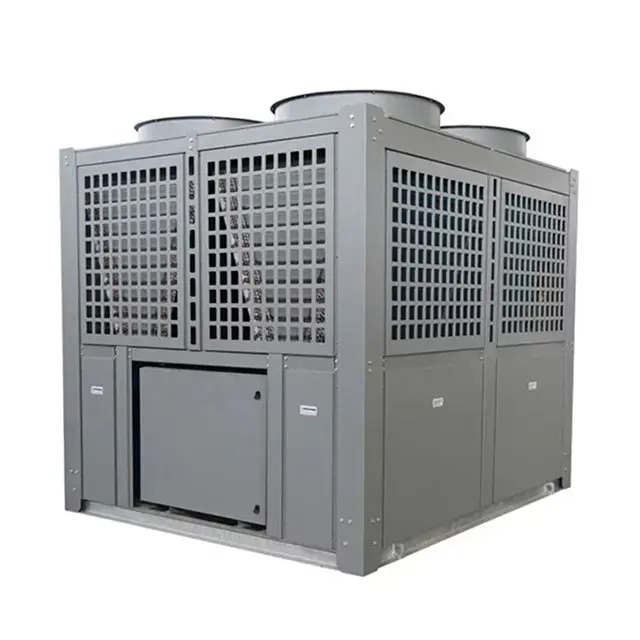
A water source heat pump moves heat between your building and a water loop. It works using the vapor-compression refrigeration cycle. There are four main parts: the compressor, the heat exchanger, the expansion valve, and the control system. The heat exchanger is very important for moving heat. You start with water from a steady source like a lake, river, pond, aquifer, or well. The water goes through the heat exchanger and meets the refrigerant. The refrigerant takes in heat from the water or gives heat to it. This depends on if you want heating or cooling.
The Second Law of Thermodynamics explains how this works. You need energy to move heat from a cold place to a warm place. The coefficient of performance (COP) shows how well your system works. For example, a COP of 3.7 means you get 3.7 units of heat for every unit of energy you use.
Water moves heat better than air, so you get good heat transfer. The heat exchanger uses water from places like lakes, rivers, ponds, aquifers, or wells. Water has a steady temperature, so the heat exchanger works well all the time. You do not have problems with humidity like air source systems do. The heat exchanger in a water source heat pump uses the water loop to take in or give off heat. This means you get better efficiency and more steady operation.
Water moves heat better than air.
Water gives the heat exchanger steady temperatures.
The heat exchanger in a water source heat pump uses steady water sources for better results.
You can use a High-Temperature Water Source Heat Pump from Leomon if you need hot water up to 75°C. I make these systems to work with many water sources and give steady heating for homes, hotels, hospitals, and factories.
Every water source heat pump follows steps to move heat. The heat exchanger is the main part of the system. Here are the steps:
Heat Transfer: The heat exchanger moves heat between the water source and the refrigerant.
Water Circulation: A pump moves water from the source through the heat exchanger and back.
Refrigerant Circuit Operation: The refrigerant takes heat from the heat exchanger and brings it to your building.
Expansion Valve: This part controls how much refrigerant goes through the heat exchanger.
Control System: Sensors and controls watch the heat exchanger and change the system for best results.
The heat exchanger works in both heating and cooling modes. In heating mode, the heat exchanger takes heat from the water and sends it into your building. In cooling mode, the heat exchanger takes heat from your building and puts it into the water loop.
Here is a table that shows how the coefficient of performance (COP) changes with temperature:
Heat Source Temp (°C) | Flow Temp (°C) | COP |
|---|---|---|
2 | 40 | 4.0 |
You get good efficiency because the heat exchanger uses water with a steady temperature. At a COP of 3.7, your heat pump gives you 3.7 watts of heat for every watt of energy used.
The heat exchanger in a water source heat pump can use many types of water sources. You can use lakes, rivers, ponds, aquifers, or wells. The heat exchanger helps your system run well and smoothly.
If you need very high temperatures, I suggest the 75℃ High-Temp Water Source Heat Pump from Leomon. The heat exchanger in this model can give hot water for factories, district heating, or big buildings.
The heat exchanger works in every part of the system. It moves heat from the water to the refrigerant. It moves heat from the refrigerant to your building. It helps you get steady heating and cooling all year. It works with the water pump to keep water moving. It uses sensors and controls to change how it works. It works with the expansion valve to control refrigerant flow. It works for both heating and cooling. It keeps high efficiency by using steady water temperatures. It can use different water sources. It is made to last a long time and needs little care. It is built with strong materials. It is tested for safety and reliability. It is easy to put in and fix. It works with smart controls. It can be changed for your needs. It is a key part of every water source heat pump. It helps you save energy and money. It supports green heating and cooling. People around the world trust the heat exchanger.
Tip: For the best results, pick a water source heat pump with a good heat exchanger. I have advanced models at Leomon, including High-Temperature Water Source Heat Pumps for tough jobs.
You can trust the heat exchanger in your water source heat pump to give you good, flexible, and steady heating and cooling for any building.
Every water source heat pump has two main parts. These are the compressor and the heat exchanger. The compressor makes the refrigerant hotter and increases its pressure. The heat exchanger moves heat between the refrigerant and the water loop. You can see what each part does in the table below:
Component | Function |
|---|---|
Compressor | Makes the refrigerant hotter and increases its pressure. |
Heat Exchanger | Moves heat between the refrigerant and the water loop. |
The compressor sends the hot refrigerant to the condenser. The heat exchanger gives heat to the water loop or takes heat from the water. This depends on if you want heating or cooling. These two parts work together to move heat well. You get good performance because they work as a team.
The water loop system helps your heat pump move heat. A fluid cooler takes away extra heat when it is hot outside. A boiler adds heat when it is cold. The water loop keeps the temperature between 70°F and 90°F (21°C to 32°C). This helps your system work for both heating and cooling.
Fluid cooler takes away extra heat in summer.
Boiler adds heat in winter.
Water loop stays between 70°F and 90°F (21°C to 32°C).
Different areas can add or take away heat to balance energy.
You need to keep the water loop clean and working well. Regular checks help your system last longer. Look for mineral buildup and dirty water. Treat the water to stop scale from forming. Check for dirty water or things floating in it. Fix air leaks and duct problems. Change filters often for good airflow. Clean coils to keep the system working well. Get a professional to check for problems early.
Controls and sensors help your heat pump work safely and well. Temperature sensors check the air inside, air outside, coil, and water. Pressure sensors watch the pressure in the refrigeration circuit. Flow sensors check how water and refrigerant move. Humidity sensors help control air quality. Defrost sensors start defrost cycles when needed.
Main control board uses sensor data to run the system.
Inverter drive changes compressor speed to save energy.
User interface lets you change settings and see how things work.
Safety controls protect against high or low pressure and freezing.
Smart sensors and control software make your system work better. The system changes to match the weather and what you need inside. Compressors and fans that change speed use less energy. You can check your system from anywhere with remote monitoring. You can connect your heat pump to building management systems for easy use.
Tip: Smart controls and sensors help you save energy and keep your heat pump working well.
You can change your water source heat pump from heating to cooling. The system uses a reversing valve to switch the refrigerant’s direction. This lets you pick heating in winter or cooling in summer. The process is fast and keeps your space comfy.
Here is a table that shows how the main mechanisms work:
Mechanism | Description |
|---|---|
Reversing Valve | Changes the direction of refrigerant flow, allowing the system to switch between heating and cooling. |
Refrigerant Evaporation | In cooling mode, refrigerant absorbs heat from indoor air, evaporating into a gas. |
Compression and Heat Release | The gaseous refrigerant is compressed, increasing its temperature and pressure, releasing heat outdoors. |
The system works well because it responds to what you need. You can change the mode with a thermostat or smart panel. Sensors help the heat pump keep the temperature steady.
Tip: If you want more control, pick a Leomon water source heat pump with smart controls. You can switch modes easily and save energy.
Seasonal temperature changes affect how your heat pump works. When it gets cold in winter, your system works harder to heat your space. In summer, it focuses on cooling. Efficiency and costs change with the seasons. You should think about your local weather when you install and use your heat pump.
You can use different ways to make your system work better during tough weather. Here is a table with some common methods:
Strategy | Description |
|---|---|
2-stage scroll or variable speed compressor | Saves energy and improves temperature and humidity control. |
Diversity factors for sizing equipment | Reduces the need for capacity by considering peak 'block load.' |
Cooling towers with variable speed fans | Improves efficiency and reduces energy use. |
Condensing boiler | Works well at part load and with low return water temperatures. |
Avoid oversizing zone WSHPs | Prevents efficiency loss and humidity problems. |
Parallel variable speed pumps | More efficient at part load and provides redundancy. |
Modulating hot water reheat | Offers cost-effective dehumidification. |
Heat pump water heater | Uses rejected BTUs from cooling to heat water. |
Automatic flow regulating balancing valves | Ensures proper flow and optimizes performance. |
You can keep your system working well by using these strategies. You get better comfort, lower bills, and steady heating and cooling all year.
Note: Planning for seasonal changes helps you get the most from your water source heat pump. You can trust Leomon systems to work well in every season.
You can put a water source heat pump in many places. In homes, you get heating and cooling all year. You save money on your energy bills. Every room feels comfortable. In offices, hotels, schools, and apartments, these systems work well. They keep big spaces at the right temperature. You also see water source heat pumps in stores, hospitals, and schools.
Common commercial applications include:
Office buildings
Apartment buildings
Hotels
Condominiums
Schools
A water source heat pump keeps your building comfy and saves energy. I have systems for central heating, cooling, and hot water in big buildings. My systems work in hospitals and hotels. You can get heating and cooling at the same time.
Many industries use water source heat pumps. In factories, these systems help save energy and recover heat. Food plants use them for cleaning and keeping things at the right temperature. Chemical plants need high heat, and my Leomon models can do that. Industrial parks use these systems for hot water. Kaiying Washing uses my heat pumps for cleaning with high heat.
Industrial uses include:
Heat recovery in paper, food, and chemical industries
Heating and cooling for steel and manufacturing sectors
Low-temperature processes in the food industry
Centralized hot water supply for industrial parks
Water source heat pumps move heat from one place to another. You get heating and cooling with fluid temperatures from 65 to 90 degrees Fahrenheit. Labs save money by using these instead of gas heating. Hospitals use these systems to lower emissions and save energy.
Water source heat pumps give you many good things. These systems work better for heating and cooling than air-source systems. You use less boiler energy by getting heat from the water loop. You save energy even if your building is not full.
Advantages over other systems:
Water moves heat better than air
Lower energy use and costs
Energy Efficiency Ratio (EER) can reach up to 27
Water source heat pumps help you save energy. You can use up to 50% less energy than old heating systems. You also make less greenhouse gas. Studies show you can cut emissions by 46 to 54% over the system’s life. If you switch from a gas furnace, you may cut emissions by 93% in 15 years.
Tip: Pick a water source heat pump for comfort, savings, and a greener future. My Leomon products have smart solutions for every need.
Application Area | Key Benefit | Example Use Case |
|---|---|---|
Residential | Steady comfort, savings | Home heating and cooling |
Commercial buildings | Reliable, efficient operation | Hotel central hot water |
Industrial | High-temp, energy recovery | Food plant sterilization |
Healthcare | Zero-emission, cost savings | Hospital heating and cooling |
You now know that water source heat pumps move heat using water. They do not make heat themselves. This way gives you steady comfort and good efficiency. You get heating and cooling that works well. These systems help you use less energy. You pay less for bills. They also help keep the environment clean.
Water source heat pumps use water with steady temperatures. This helps them work well every time.
They match new goals for saving energy and caring for the planet.
Think about using a water source heat pump for your next project. You will get comfort, save money, and help the earth.
Water source heat pumps move heat instead of making it. Water stays at a steady temperature. This helps the system work well. You pay less for energy. Less energy gets wasted.
You can switch between heating and cooling with a reversing valve. The system keeps your space comfy all year. You change the mode with a thermostat or smart panel.
You can put water source heat pumps in homes, offices, hotels, schools, and factories. These systems work for small houses and big buildings.
Tip: Leomon water source heat pumps give you steady heating and cooling in many places.
You clean the coils and change filters often. You check water quality regularly. You get a professional to inspect the system to keep it working well.
Leomon gives you advanced technology and strong support. You get high-temperature models and smart controls for better comfort and efficiency. Leomon has global certifications for trusted quality.
Feature | Benefit |
|---|---|
High-temp models | Hot water up to 75°C |
Smart controls | Easy operation and monitoring |
Global certifications | Trusted quality worldwide |


