Please Choose Your Language


Views: 0 Author: Site Editor Publish Time: 2026-09-30 Origin: Site


Industrial facilities face intense pressure to decarbonize thermal processes. Plant managers are phasing out legacy natural gas and oil-fired systems for electrified alternatives. Transitioning to electrified steam generation introduces heavy operational risks. You have to navigate strict electrical infrastructure limits, high capital expenditure, and unpredictable long-term operating expenses.
Plant engineers generally evaluate two distinct pathways for electrification. You can install traditional resistive electric boilers or advanced thermodynamic systems. This guide breaks down the technical and financial trade-offs of each technology. We contrast the brute-force simplicity of generating heat with the high efficiency of moving it. This analysis provides the raw engineering data necessary to support a rigorous procurement decision.
Generating vs. Moving Heat: Electric boilers generate heat directly from electricity with a maximum theoretical efficiency of ~99% (Coefficient of Performance of 1.0). In contrast, industrial steam heat pumps *move* existing heat, achieving a COP of 2.0 to 3.0+ by recovering and upgrading waste thermal energy.
Cost Dynamics: Electric boilers require lower initial CAPEX and offer straightforward installation, but carry substantially higher OPEX due to direct electricity consumption. Heat pumps demand high CAPEX and complex integration but offer rapid ROI in high-uptime environments.
Infrastructure Impact: Because they draw less raw power to generate the same thermal output, heat pumps can often be integrated without requiring massive, costly upgrades to a facility’s electrical grid connection.
Application Constraints: Heat pumps require a consistent, low-grade waste heat source to function effectively, making them highly site-specific compared to the plug-and-play nature of electric boilers.
Replacing legacy firetube and watertube boilers requires strict adherence to baseline performance metrics. A reliable factory steam supply must maintain absolute pressure stability across varying production shifts. Temperature consistency is non-negotiable for sensitive food, beverage, and chemical processes. Modern electrified systems must demonstrate rapid load-following capabilities to match the performance of combustion equipment.
Engineers cannot simply swap equipment without analyzing steam quality. The dryness fraction of the steam must remain high to prevent water hammer and equipment degradation. Electrified systems must integrate seamlessly into existing distribution headers. They must provide the exact mass flow rate required by the process without causing pressure drops during peak demand spikes. We see this constantly in the field. A plant swaps a large gas boiler for an electric unit without checking the header capacity, leading to immediate pressure drop issues at the furthest process nodes.
Carbon taxes and stringent emissions regulations are forcing heavy industry to abandon fossil fuels. Corporate environmental mandates dictate aggressive timelines for Scope 1 emissions reductions. Volatile natural gas pricing makes long-term financial planning nearly impossible for facilities relying on combustion boilers. These combined pressures heavily penalize the lifecycle operating expenses of traditional steam generation.
Facilities must evaluate the financial impact of future carbon penalties. Operating a gas boiler will become increasingly expensive as regulatory frameworks tighten. Electrification eliminates on-site emissions entirely. This shift protects facilities from fluctuating fossil fuel markets and ensures compliance with upcoming environmental legislation.
Grid capacity limits represent the most significant hurdle to facility electrification. Many older manufacturing plants operate near their maximum electrical service limits. You cannot simply replace a 10MW gas boiler with a 10MW electric boiler. Doing so often triggers massive utility upgrades.
Upgrading a facility's electrical infrastructure involves installing new substations, heavy-duty transformers, and upgraded switchgear. Utilities often quote lead times of several years for these major grid connections. Peak demand charges also skyrocket when facilities draw massive amounts of raw power for resistive heating. This bottleneck forces engineers to seek highly efficient technologies that deliver required thermal output while minimizing electrical draw.
Electric boilers utilize submerged electrodes or resistive heating elements to transfer electrical energy directly into water. High-voltage electrode boilers pass current directly through the water, using the water's natural resistance to generate heat. Low-voltage resistive models use metal heating elements encased in protective sheaths. Both methods provide reliable industrial steam generation without combustion.
This technology operates on a strict 1:1 energy conversion ratio. One kilowatt-hour of electricity yields roughly one kilowatt-hour of thermal energy. The maximum theoretical efficiency hovers around 99%. Almost all electrical energy converts to heat, with minimal losses through the insulated pressure vessel shell.
Electric boilers offer exceptionally rapid response times. They can ramp up from cold starts to full pressure in a fraction of the time required by gas boilers. This makes them ideal for handling highly variable steam loads and intermittent batch processes. The technology is simple, well-understood, and highly reliable.
Installation is straightforward and plug-and-play. Electric boilers feature a compact physical footprint, requiring minimal mechanical room space. They do not need exhaust stacks, fuel lines, or complex emissions monitoring equipment. Standard pressure vessel compliance applies, making permitting and safety inspections routine.
The severe operating expense penalty limits their application. In regions with high industrial electricity rates, 1:1 electrification becomes cost-prohibitive for continuous base-load operations. The sheer volume of electricity required to boil water directly makes electric boilers financially unviable for 24/7 manufacturing plants unless they have access to exceptionally cheap renewable power.
Large-scale electric boilers draw massive amounts of current, which can introduce power quality issues into the plant's electrical grid. SCR controllers used to modulate the power output of resistive elements can generate harmonic distortion. This distortion can overheat transformers, trip sensitive breakers, and interfere with plant instrumentation. Engineers must often specify harmonic filters and active power correction equipment when installing multi-megawatt electric boilers. This adds to the hidden installation costs and requires specialized electrical engineering oversight during the design phase.
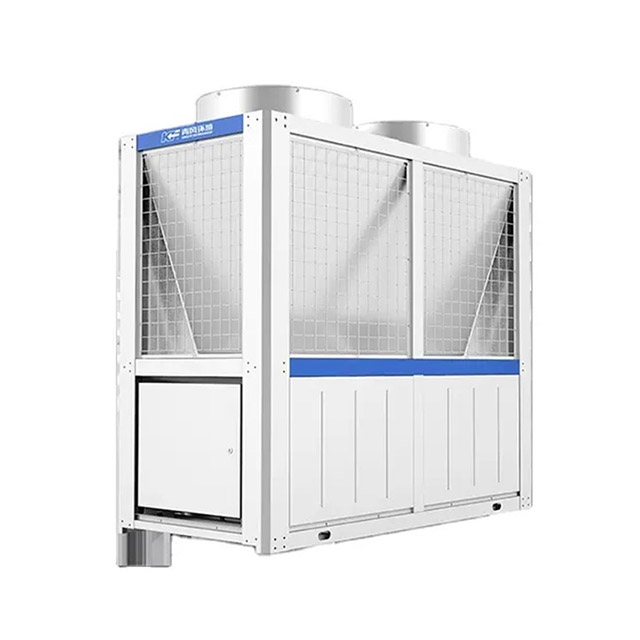
An industrial steam heat pump does not generate heat from scratch. It utilizes a closed-loop thermodynamic cycle to move existing thermal energy from one location to another. The system absorbs low-grade waste heat into a refrigerant. A compressor then pressurizes the refrigerant gas, significantly raising its temperature before transferring that heat to a water stream to flash it into steam.
Many systems utilize mechanical vapor recompression to lift temperatures efficiently. Commercial heat pumps extract heat from ambient environmental air. Industrial systems require dedicated, higher-temperature waste heat streams to achieve necessary efficiencies. Engineers typically source this heat from cooling water loops, exhaust air stacks, or warm process effluent.
We measure efficiency using the Coefficient of Performance. An industrial system might use one unit of electrical energy to move two units of waste heat. This results in three units of thermal output, yielding a COP of 3.0. This multiplier effect fundamentally changes the economics of electrified steam generation.
Recent advancements in compressor design and refrigerant chemistry have expanded thermodynamic boundaries. Engineers now utilize natural refrigerants and advanced hydrofluoroolefins capable of withstanding extreme pressures and temperatures. Multi-stage compressor configurations allow systems to achieve massive temperature lifts without degrading mechanical components.
A modern 150°C steam heat pump represents the current commercial limit for this technology. These systems reliably deliver low-pressure steam suitable for a vast array of manufacturing processes. Food and beverage sterilization, paper drying, and chemical distillation all operate comfortably within this temperature range. Research and development continue to push these boundaries, but 150°C to 165°C remains the practical ceiling for standard commercial deployment today.
The performance of any heat pump relies heavily on the working fluid. Historically, industrial systems used synthetic refrigerants with high Global Warming Potential. Modern environmental regulations are phasing out these chemicals. Today, engineers specify natural refrigerants like ammonia, carbon dioxide, or advanced HFOs. Ammonia offers excellent thermodynamic properties for high-temperature lifts but requires strict safety protocols due to its toxicity. HFOs provide a safer alternative with near-zero GWP, though they often require larger compressor displacements to achieve the same capacity. Selecting the right refrigerant involves balancing thermal efficiency, safety regulations, and long-term environmental compliance.
Refrigerant Type | Global Warming Potential (GWP) | Toxicity / Flammability | Thermodynamic Efficiency | Common Industrial Application |
|---|---|---|---|---|
Ammonia (R-717) | 0 | High / Low | Excellent | Large-scale food processing, cold storage |
Carbon Dioxide (R-744) | 1 | Low / None | Good (Transcritical) | High-temperature water heating |
HFOs (e.g., R-1234ze) | <1 | Low / Mild | Very Good | Medium to high-temperature steam generation |
Legacy HFCs (e.g., R-134a) | 1430 | Low / None | Good | Phasing out due to environmental regulations |
Electric boilers face a hard efficiency ceiling of 99%. They cannot produce more thermal energy than the electrical energy they consume. Steam heat pumps operate with a variable efficiency ranging from 200% to over 300%. This massive gap in performance dictates the long-term viability of each technology.
Heat pump COP degrades as the temperature lift increases. The temperature lift is the difference between the waste heat source temperature and the target steam temperature. Extracting heat from 80°C effluent to generate 120°C steam requires a small lift, resulting in a very high COP. Extracting heat from 30°C cooling water to generate 150°C steam requires a massive lift, which lowers the COP and increases compressor workload.
Electric boilers are relatively commoditized. The upfront capital expenditure remains low. The equipment consists primarily of a pressure vessel, heating elements, and standard control panels. The operating costs accumulate rapidly due to the massive electrical draw.
Heat pumps require substantial upfront investment. You must purchase specialized high-temperature compressors, complex heat exchangers, and sophisticated expansion valves. Integration engineering also adds to the initial cost. Facilities must calculate the break-even point to justify this investment. You must analyze local electricity prices, available government electrification grants, and annual operating hours. High-uptime facilities often see a break-even point within three to five years due to massive operating cost savings.
Physical footprint varies drastically between the two technologies. Electric boilers are compact and require straightforward piping. You connect the water feed, the steam header, and the electrical supply. Heat pumps demand significantly larger floor space. They require complex source-sink integration, meaning you must pipe the waste heat source to the evaporator and pipe the generated steam from the condenser.
Electrical footprint heavily favors the heat pump. Because a heat pump operates at a COP of 3.0, it draws roughly one-third of the peak amperage required by an equivalent electric boiler. This lower electrical draw often allows facilities to integrate heat pumps without triggering heavy transformer upgrades or building new utility substations.
Maintenance profiles differ fundamentally. Electric boilers require routine inspection of resistive elements and electrodes. Scale buildup on heating elements causes premature failure and efficiency drops. You must maintain strict water chemistry to protect the internal components.
Heat pumps require mechanical maintenance similar to large industrial chillers. Technicians must monitor compressor lubrication, perform vibration analysis, and manage refrigerant lifecycles. Heat exchangers require periodic cleaning to maintain optimal thermal transfer. Both systems offer long lifespans when properly maintained, but heat pumps require specialized HVAC/R technical expertise.
Installing an electric boiler is a known quantity for most mechanical contractors. You rig the unit into place, connect the feedwater line, pipe the steam discharge to the main header, and land the heavy-gauge electrical feeds. Commissioning usually takes a few days. You verify the safety interlocks, test the low-water cutoffs, and confirm the amp draw matches the nameplate rating.
Heat pump integration requires a much higher level of engineering oversight. You are not just installing a piece of equipment; you are modifying the plant's thermal balance. Piping the waste heat source to the evaporator often involves long runs of insulated pipe, new circulation pumps, and secondary heat exchangers to protect the evaporator from fouling.
Commissioning a heat pump system involves balancing the source and sink flows. Technicians must verify the superheat and subcooling values across the refrigeration circuit. They must tune the expansion valves to respond smoothly to changes in the waste heat temperature. This process can take weeks of fine-tuning to achieve stable, high-efficiency operation.
Selecting the right compressor is critical for high-temperature heat pump performance. Different designs offer distinct advantages depending on the required capacity and temperature lift.
Compressor Type | Capacity Range | Max Temperature Lift | Maintenance Complexity | Best Application |
|---|---|---|---|---|
Scroll | Low to Medium | Moderate | Low | Small batch processes, modular setups |
Reciprocating | Medium | High | Medium | High-pressure steam generation |
Screw | Medium to High | High | High (Oil management) | Continuous base-load manufacturing |
Centrifugal | Very High | Moderate to High | Very High | Massive centralized plant heating |
An industrial electric boiler alternative like a heat pump is only as reliable as its waste heat source. If the heat source disappears, steam production stops. Implementation risk is high if you rely on intermittent processes for waste heat.
You must conduct a rigorous pinch analysis to mitigate this risk. A pinch analysis maps all hot and cold streams within the facility. You must ensure a continuous availability of low-grade heat between 40°C and 80°C during all required steam-generation hours. Cooling towers, air compressors, and wastewater streams often provide excellent, continuous heat sources.
Specifying a heat pump for processes requiring steam above 165°C introduces severe implementation risk. Current thermodynamic limits prevent standard heat pumps from reliably achieving these extreme temperatures. Highly fluctuating pressure demands can also destabilize the compressor cycle.
Engineers must segregate steam networks to optimize high temperature process heating. Use heat pumps to supply base-load, low-pressure networks. Reserve electric or gas boilers for peak demands and high-pressure applications. This hybrid approach maximizes energy efficiency while ensuring process stability across the entire plant.
High peak-demand tariffs can easily negate the operating expense benefits of electrification. Utilities penalize facilities that draw massive amounts of power during peak grid hours. You must model the facility's load profile accurately.
Determine if the lower kilowatt draw of a heat pump avoids triggering higher utility demand tiers. A heat pump's ability to deliver three units of heat for one unit of electricity often keeps the facility below critical demand thresholds. This avoids punitive tariffs and preserves the financial viability of the electrification project.
Both technologies require strict water treatment protocols, but the failure modes differ. Electric boilers are highly susceptible to scaling. When calcium and magnesium precipitate onto the heating elements, they create an insulating layer. This forces the elements to run hotter to transfer the same amount of heat, eventually leading to element burnout. You must maintain a robust reverse osmosis system and monitor conductivity daily.
Heat pumps generate steam via a condenser heat exchanger. While scaling is still a concern, the lower temperature differentials across the heat exchanger plates make them slightly more forgiving than direct resistive elements. Poor water chemistry can still foul the plates, reducing the heat transfer coefficient and forcing the compressor to work harder, which degrades the COP. Regular blowdown procedures and automated chemical dosing are mandatory for both systems.
Electric boilers remain the optimal choice under specific operational conditions. Facilities with intermittent or highly variable steam demand benefit from the rapid response and low capital cost of resistive heating. Low annual operating hours make the high operating expenses manageable over the equipment's lifecycle.
You should specify an electric boiler if your site lacks recoverable waste heat. Without a heat source, a heat pump cannot function. Facilities with access to exceptionally cheap, abundant renewable electricity can also justify the 1:1 energy conversion ratio. Space-constrained mechanical rooms requiring simple, straightforward installations heavily favor the compact footprint of electric boilers.
Heat pumps dominate in continuous, base-load applications. Manufacturing plants operating 24/7 extract maximum value from the high COP, rapidly paying down the initial capital investment. The technology is ideal for facilities with abundant, simultaneous cooling and heating loads. You maximize the utility of the thermodynamic cycle by utilizing both the chilled water from the evaporator and the steam from the condenser.
Facilities facing strict electrical capacity limits from the local utility grid must utilize heat pumps to electrify. The reduced amperage draw allows for decarbonization without massive infrastructure upgrades. Corporate mandates requiring maximum overall energy efficiency and long-term operating expense reduction also dictate the selection of a heat pump. Consulting a specialized steam heat pump manufacturer ensures proper system sizing and integration.
Before committing to either technology, plant engineers should execute a structured evaluation:
Audit Existing Steam Loads: Install flow meters on main headers to capture accurate mass flow rates during peak and off-peak production shifts.
Map Waste Heat Sources: Identify all cooling towers, chiller condensers, and hot effluent streams. Log their temperatures and flow rates over a full production cycle.
Analyze Electrical Capacity: Review the main switchgear ratings and consult with the local utility to determine the maximum allowable additional kilowatt draw.
Model Operating Expenses: Calculate the annual cost of electricity for both a 99% efficient electric boiler and a 250% efficient heat pump based on local utility tariffs.
Evaluate Physical Space: Measure the available footprint in the mechanical room, accounting for required maintenance clearances and piping runs.
Transitioning away from fossil-fuel steam generation requires precise engineering and financial planning. To ensure a successful deployment, execute the following steps:
Commission a site-specific pinch analysis to map all available waste heat sources and thermal sinks across your facility.
Install sub-metering on existing steam headers to capture accurate base-load and peak demand profiles before sizing new equipment.
Engage an industrial MEP engineering firm to model lifecycle operating expenses based on your specific local utility tariffs and demand charges.
Audit your current electrical service capacity with your utility provider to determine the maximum allowable kilowatt draw without triggering substation upgrades.
A: Current commercial limits for industrial steam heat pumps sit between 150°C and 165°C. Advanced refrigerants and multi-stage compressors make this possible. Research and development continue to push these boundaries higher, but processes requiring steam above 165°C currently require alternative heating methods or hybrid system designs.
A: A steam heat pump is typically 2.5 to 3 times more efficient. Electric boilers generate heat directly, hitting a hard efficiency ceiling of 99%. Heat pumps move existing heat, achieving a Coefficient of Performance of 2.5 to 3.0. One unit of electricity yields three units of heat.
A: It depends entirely on your temperature requirements and waste heat availability. If your process requires steam below 150°C and you have continuous waste heat, full replacement is possible. Often, a hybrid approach combining heat pumps for base-load and electric boilers for peaking is the most realistic strategy.
A: Maintenance shifts from combustion and emissions management to mechanical HVAC/R tasks. Technicians must manage compressor lubrication, perform vibration analysis, and monitor refrigerant lifecycles. Heat exchangers also require periodic cleaning to prevent fouling and maintain optimal thermal transfer rates.
A: Yes. While commercial units can use ambient air, industrial efficiencies require a dedicated, higher-temperature waste heat stream. You must source heat from cooling water loops, exhaust air, or warm process effluent to achieve the necessary temperature lift and maintain a high COP.
A: The typical return on investment ranges from 3 to 7 years. This timeline depends heavily on local electricity rates, the cost of the displaced fossil fuels, available government decarbonization incentives, and the total annual running hours of the facility.


