Please Choose Your Language


Views: 0 Author: Site Editor Publish Time: 2026-03-12 Origin: Site


You begin installing water source heat pumps by checking your site and picking the right heater for what you need. Good planning helps you choose a system that fits your building. You might need a domestic hot water system or split system heat pump water heaters. Leomon Commercial Heat Pump Water Heater is good for hotels and factories. If you pay close attention during installation, you can save a lot of energy. Many homes can save $300 to $650 every year on energy bills with these systems.
Begin with a careful site check to make sure your place can use water source heat pumps. This helps you avoid expensive errors and makes sure it fits well.
Pick the right size heat pump water heater for your building. Tools like the Building America Solution Center can help you choose the best one.
Always follow local rules for permits and planning your budget. This helps you avoid waiting and possible fines when installing.
Regular care is important. Clean filters and look at the system every few months. This keeps it working well and saves energy money.
Think about using remote monitoring for your heat pump. This lets you watch how it works and find problems early. It can help you save a lot of energy.
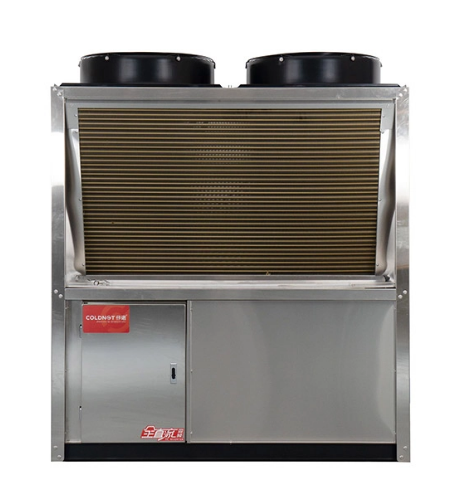
Always start by checking your site carefully. This helps you know if your place can use water source heat pumps. Look at how much space you have. Think about the weather in your area. Check what kind of water source you can use. A clean and steady water source is very important for the system to work well. If you use well water, you might need a filter. This stops scale and rust from building up. Water quality changes how well your system works and how long it lasts. Hard water can make scale. Scale makes it harder for heat to move and can break your equipment faster. Think about if you need a system for a house or a big building. Leomon Commercial Heat Pump Water Heater is good for hotels, hospitals, and factories. These systems let you add more units or have backups. This makes the system more reliable.
Tip: Doing a good site check helps you avoid big mistakes. It also makes sure your system fits your building.
Here is a table of important things to think about when planning:
Factor | Description |
|---|---|
Environmental and Climate Factors | Think about cold or warm weather, where you will install, and how to protect from rain or snow. |
Water Source Availability | Make sure your water source is clean and steady. You might need to treat or filter the water. |
System Sizing | Pick the right size so your system works well and lasts longer. |
Consulting HVAC Professionals | Ask experts for help to design and set up your system the right way. |
Check the electrical and plumbing setup when you look at your site. Make sure all wires and connections are safe. Good wiring helps your system work better. Use insulated pipes to connect to ground loops. This keeps energy from being wasted. Before you put in water source heat pumps, figure out how much heating and cooling your building needs. This helps you pick the right size and stops problems later.
Make sure all electrical work follows local rules.
Use insulated pipes to save energy.
Check how much heating and cooling you need for your system.
You need to get the right permits before you start. Local rules may need different permits, so ask your city or county. Get your permits early to stop delays or fines. When you plan your budget, remember a medium commercial system costs $8,000 to $15,000 for each unit. One unit costs $2,500 to $6,000. Buildings with many units may need extra work that costs $3,000 to $8,000 for each unit. Check for rebates or tax credits in your area. Some places give money back for energy-saving systems.
Note: Planning for permits and budget helps your project go well and saves money over time.
You must choose the right size for your heat pump water heater. Do not just use the size of your old heater. Use tools like the Building America Solution Center Heat Pump Water Heater Installation Tool. This tool helps you find the lowest First Hour Rating (FHR) you need. If your old heater ran out of hot water, pick a new one with a higher FHR. Think about how many people use hot water at once. Check how many units you have, how big your building is, and how many floors there are. These things help you pick the best heater for your needs.
You should also check peak flow rates and recovery time. For example, Leomon has models like the FSH-110II/GW and SH-240II/GW. These models are good for hotels, hospitals, and factories. They can handle lots of hot water use and give steady hot water. Always put insulation on your hot water pipes. This step helps your system work better and saves energy.
Tip: Always install a temperature and pressure relief valve. This keeps your system safe.
When you pick a heat pump water heater, look for features that fit your building. Many integrated heat pump water heaters have smart controls. These controls let you pick different ways for the heater to work. You can match the heater to your hot water needs. Some systems have a thermostatic mixing valve. This valve helps control water temperature and stops burns.
You can connect your heater to a building management system (BMS). This lets you check energy use and system performance from anywhere. Facility managers can change settings based on how many people are there, the time, or the weather. A BMS helps you save energy, keeps temperatures steady, and supports green goals.
Feature | Benefit |
|---|---|
BMS Integration | Remote monitoring and real-time adjustments |
Refrigerant Options (R290, CO₂) | Meets different temperature needs and supports green building goals |
OEM/ODM Flexibility | Custom solutions for unique projects |
Leomon’s integrated heat pump water heaters also offer OEM/ODM flexibility. You can get a system that fits your brand or special needs. Always think about these features when you plan your installation.
First, check the space before you put in horizontal water source heat pumps. Measure the area where you want to put the system. Make sure you do not block anything that is already there. Always leave at least 24 inches of space on every side of the unit. This space helps you do things like change filters or look for leaks.
A certified HVAC contractor can help you pick the best place for your horizontal water source heat pumps. The contractor will check the space, the wires, and the air flow. You want the system to fit and work safely.
Tip: If you check the site well, you can stop problems and keep your system working right.
Here is a table with the main steps to get the site ready for horizontal water source heat pumps:
Step | Description |
|---|---|
1 | Look at the site to see how much space you have and make sure you can put in the system without moving other things. |
2 | Check the local rules and get the right permits before you start. |
3 | Look at the ground, the dirt, and the water level to see if you need to dig or add support. |
You need to get the water loop ready for horizontal water source heat pumps. First, clear the area and get all the tools you need. This step saves time and helps you avoid problems. Next, put in the ground loops where your plan says. Good placement helps the system move heat well.
After you put in the ground loops, set the heat pump unit so it is flat and steady. Connect the unit to the ground loops and your HVAC system with insulated pipes. Make sure all wires are safe and follow the rules.
When you finish, test the system. Look for leaks and check the temperature settings. Testing helps you find problems early and keeps your horizontal water source heat pumps working well.
If you get the site and water loop ready the right way, your horizontal water source heat pumps will last a long time.
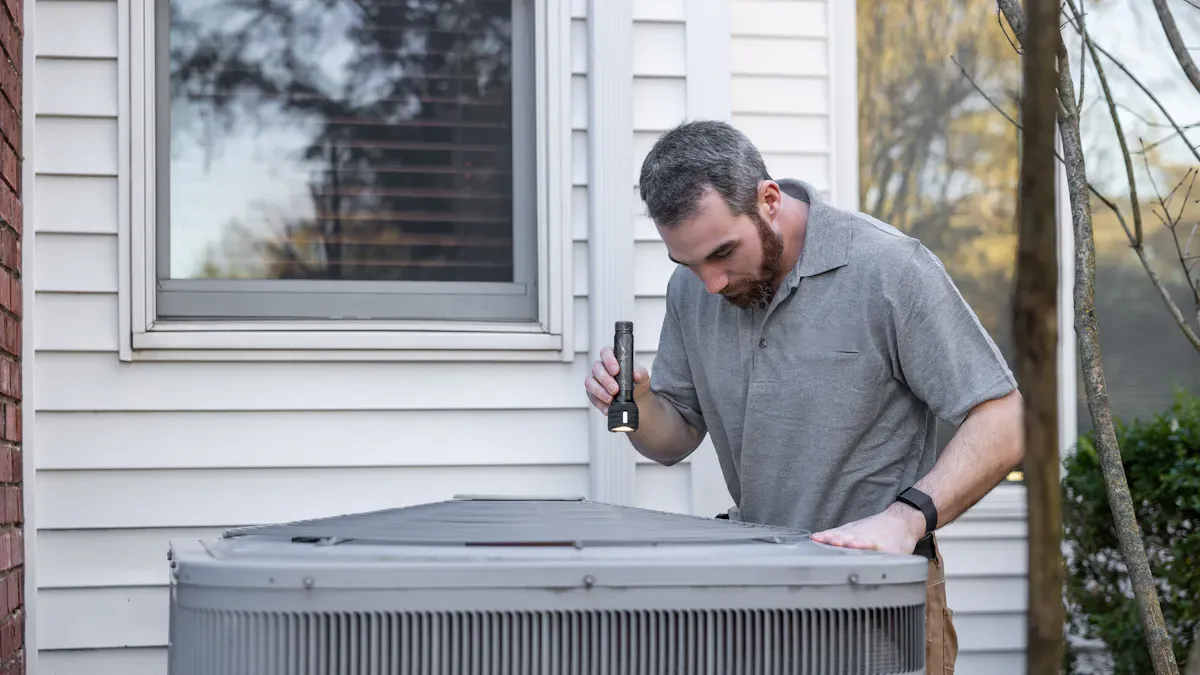
First, pick a strong and flat place for your heat pump water heater. Put the heater upright on a concrete slab or a sturdy floor. Leave at least 24 inches of space around ten unit. This space lets you reach the heater for service and keeps air moving well. In commercial buildings, put the heat pump unit and water storage tank 3 to 5 meters apart. Use anchor bolts so the unit stays in place and does not shake.
If you put heat pump water heater systems in homes, choose a spot away from bedrooms and living rooms. This helps keep things quiet. Always check if the floor can hold the weight of the heater and tank. Good placement makes installation easier and helps your system last longer.
Tip: Leomon’s engineering resources can help with site layout drawings and technical support for big or tricky projects.
After you set the unit in place, connect the water lines. Attach the cold water supply to the bottom of the tank. Connect the hot water outlet to your building’s plumbing. Always put a temperature and pressure relief valve on the tank. This keeps your system safe.
Use flex piping for both cold and hot water lines. Flex piping helps stop shaking and fits in small spaces. Add check valves or heat traps on both water lines. These parts stop heat from escaping and help your system work better.
For the electrical connection, use a 208/240-volt circuit with a 30-amp panel. Run the wires and conduit to the unit’s terminal block. Make sure you ground the heater the right way. Always follow local rules for wiring and safety.
Here is a table of best ways to connect water and electrical lines:
Best Practice | Description |
|---|---|
Flex Piping | Cuts down vibration and fits in small spaces |
Check Valves/Heat Traps | Stops heat loss and helps the system work better |
Proper Circuit | Use 208/240-volt, 30-amp service for new setups |
Grounding | Keeps things safe and protects the system |
Note: If you are not sure about rough wiring or plumbing, ask a licensed professional or use Leomon’s technical support.
Valves and filters keep your water source heat pumps safe from damage. Put gate or ball valves on both the supply and return water lines. These valves let you turn off water for service or emergencies. Add balancing valves to control water flow and keep the system working right.
If you use well water or water from a cooling tower, always put in sediment filters. These filters stop dirt and debris from getting into the sense heater. Clean water helps your heat pump water heater work better and last longer. Check and clean plate heat exchangers often to keep heat transfer working well.
Keep water clean to stop bad stuff.
Use sediment filters to protect coils.
Check and clean heat exchangers often.
Tip: Good valve and filter setup stops clogs and expensive repairs.
When you finish installing, you need to test the system. Open the cold-water supply valve and fill the tank. Check all connections for leaks. Turn on the heater and watch for normal operation.
Check the refrigerant charge and airflow. Look for refrigerant leaks and listen for strange noises. Oil motors if needed. Check all electric terminals and tighten them. Put a nonconductive coating on connections to protect them. Check belts for wear and tightness. Test the thermostat to make sure it works for heating and cooling.
Testing the system is very important. It is a key part of the step-by-step guide. Check flow rates, pressures, and temperatures everywhere in the system. Many problems happen when you skip this step. Good testing helps your water source heat pumps work well from the start.
If you follow this step-by-step guide, you will install heat pump water heater systems that are safe, reliable, and save energy. For more help, Leomon’s engineering team has detailed guides and support for every installation process.
First, check if your heater is right for your building. Picking the right size gives you comfort and saves energy. If your heater is too big or small, it can cause problems and cost more money. Make sure your heater works with your HVAC system. Put the unit where air can move around it. You should also be able to reach it for repairs. Try to put the heater close to where you use hot water. This helps stop heat from escaping and saves energy. Plan for easy repairs so your system lasts longer.
Tip: Put your heater in a good spot to save energy and make repairs easier.
People sometimes make mistakes when they install these systems. You can stop these problems by doing a few simple things:
Always check your water quality. Bad water can cause rust and make your system work worse. Test and clean your water before you start.
Do not pick a system that is too big. Big systems can make you less comfortable and cost more.
Not every system needs a cooling tower. Check your plan before you add extra parts.
Here is a table that shows a common problem and how to fix it:
Challenge | Solution |
|---|---|
Limited installation space | Check your site early and use small or modular units to fit tight spaces. |
If your water source heat pump does not work, try these steps:
Check if there is enough refrigerant.
Make sure air can move through the system.
Look for leaks in the refrigerant.
Oil the motors.
Look at all electric terminals.
Clean and tighten all the connections.
Put a special coating on the connections.
Check if the belts are worn or loose.
Make sure the electric control works when the thermostat turns on.
Test the thermostat to see if it works right.
Note: Knowing about these problems helps you fix things fast and keeps your heater working well.
You have to take care of your water source heat pump. This helps it work well and last longer. Check and clean your heater often. Change the filters at least once a year. In busy places, change them every three or six months. Clean the coils and fans so dust does not build up. Use a vacuum to clean the fins in console units. Always look at the condensate drain. Make sure water can flow out and not cause damage. Check outdoor pumps and fluid coolers every year. Follow the steps in your heater’s manual for best results. Have a professional check your system two times a year, in spring and fall. This keeps your heat pump running well.
Maintenance Task | Description |
|---|---|
Change filters | Replace air filters quarterly, semi-annually, or yearly. |
Clean coils and fans | Remove dust and grime to keep airflow strong. |
Clean the fins | Use a vacuum cleaner on console unit fins. |
Inspect outdoor parts | Check pumps, boilers, and coolers yearly. |
Follow manual | Use the heater’s manual for guidance. |
Inspect condensate drain | Make sure water drains properly. |
Professional inspection | Have a technician check the system once a year. |
Tip: Cleaning and checking your heater often saves money. It also helps your heater use less energy.
Many water source heat pumps have remote monitoring. This lets you watch your system from anywhere. You can see if your heater is working right. You can find problems early. Remote access helps you save energy. It balances the system and stops short cycling. Many people save 40-70% on heating and cooling costs. In one year, you could save $1,200 to $2,100. These systems also lower greenhouse gas emissions by 3-4 tons each year. That is like taking a car off the road. Remote monitoring gives you peace of mind. It helps you get the most from your heat pump.
Benefit | Description |
|---|---|
Real-time Monitoring | Keeps your system stable and balanced. |
Intelligent Coordination | Reduces energy use and prevents short cycling. |
Performance Tracking | Spots faults early and cuts downtime. |
Some jobs need a trained technician. Call a pro if you need to check ductwork for leaks. Call if you need to test refrigerant levels or check electrical parts. Technicians look at the blower, coils, and filters for blockages. They tighten wires, oil motors, and check belts. A pro can set the thermostat so your heater works right. Regular checks by a pro help you find small problems early. If you hear strange noises or see leaks, call a technician. If your heater does not heat or cool as it should, get help fast.
Note: Having a professional check your system keeps it safe. It also helps your heater work its best.
Good planning, the right setup, and regular care help your heat pump water heater work its best. Picking a brand you trust, like Leomon, for your commercial heater means it will work well and save energy. You can see how this helps in the table below:
Benefit | Description |
|---|---|
Improved Efficiency | The system works better and stays reliable for a long time. |
Reduced Energy Costs | You spend less money on your shared energy bills. |
Enhanced Safety | You lower the chance of problems and keep things safe. |
Increased System Longevity | Your heater lasts longer and keeps working well. |
If your project is hard, ask experts or use Leomon’s help to guide you.
You should have a professional check your system twice a year. Clean filters and coils every three to six months. Regular care keeps your system running well and saves energy.
You can do some steps, like site prep or filter changes. For wiring, plumbing, and refrigerant work, you should hire a licensed technician. This keeps your system safe and working right.
You need clean water with low minerals. Hard water can cause scale and damage. Use sediment filters if you use well water. Test your water before installing your system.
Most systems last 15 to 20 years with good care. Regular cleaning and professional checks help your system last longer.
Leomon systems give you high efficiency, modular design, and easy BMS integration. You get reliable hot water for hotels, hospitals, and factories. You can also customize the system for your needs.


