Please Choose Your Language


Views: 0 Author: Site Editor Publish Time: 2026-02-19 Origin: Site


You want to pick the best heat pump for you. Water source heat pumps work better and give more heat. They are a good choice for busy places like hotels, hospitals, and factories. Air source models cost less at first and are easier to set up. This makes them good for many homes. Leomon is a leading company for commercial heat pump water heaters. When you choose, think about your building, how much heat you need, and your money. This helps you find the best one.
Water source heat pumps work well in big buildings. They are good for places like hotels and hospitals. They use energy well and perform the same all the time.
Air source heat pumps cost less money. They are simple to put in. They fit homes and small offices best.
Think about your weather and space before picking a heat pump. Water source systems need water close by. Air source systems only need space outside.
Both heat pumps need regular care. Try to get them checked two times each year. This helps them work their best.
Look at how much energy you will save over time. Water source heat pumps cost more at first. But they can lower your energy bills later.
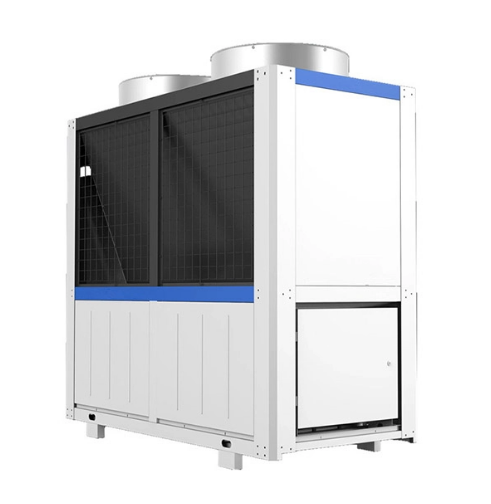
Water source heat pumps move heat from water to buildings. They get heat from water loops, rivers, lakes, or wells. The pump takes heat from water and sends it to rooms or tanks. These pumps can heat and cool spaces. In summer, the pump can cool your rooms by changing direction. Water stays at a steady temperature. This makes the heat pump reliable for big buildings.
There are many water sources for these pumps. Some pumps use wells underground. Others use lakes, rivers, or ponds. In cities, pumps connect to cooling towers or closed water loops. You need clean and steady water for the system. Check water quality before you install the pump. Pumps work best when water is easy to reach. You see these pumps in hotels, hospitals, and factories.
Tip: Always check if you have water nearby before picking water source heat pumps.
Water source heat pumps are very efficient. Water is warmer than air in winter and cooler in summer. This helps the pump use less energy. You save money on bills. The pump works well all year. These pumps are good for places that need lots of heat. Commercial buildings see big benefits. Modular systems keep working during maintenance, so there is less downtime. You need mechanical rooms and enough ceiling space. Units should have panels you can remove for service. Regular maintenance keeps the system working well. You should get service at least two times each year.
Requirement | Description |
|---|---|
Installation Complexity | You need mechanical rooms, enough ceiling height, and ductwork that fits. |
Maintenance Access | Units should have panels you can remove and parts you can reach easily. |
Service Intervals | Maintenance should happen at least two times a year to keep the system working. |
Downtime Impact | Modular systems help reduce problems when you do maintenance. |
Water source heat pumps are used where you need steady heating and cooling. They are efficient and give strong performance. These systems help lower energy use and costs.
You use an air to air heat pump to move heat between your building and the outside air. This system works by pulling warmth from the outdoor air, even when it feels cold outside. The air to air heat pump uses electricity to run. It does not burn fossil fuels, so it is a cleaner choice for your home or business. You can use an air to air heat pump for both heating and cooling. In winter, it brings heat inside. In summer, it pushes heat out, just like an air conditioner. This makes the air to air heat pump a flexible part of your HVAC system. You can pair it with other heating systems to boost efficiency.
You see air to air heat pump systems in many places. They work well in homes, offices, and small commercial buildings. You can use them to heat or cool single rooms or whole buildings. Here are some common uses:
Heating and cooling homes
Warming offices and shops
Providing comfort in schools and clinics
Supporting energy savings in apartments
The air to air heat pump is popular because it is easy to install. You do not need a water source or special ground loops. Many people choose this system because government programs help with the cost. The air to air heat pump also helps you lower your carbon footprint. You get good efficiency and save money on energy bills.
Tip: If you want a system that is simple and eco-friendly, the air to air heat pump is a smart choice.
The air to air heat pump can work in cold weather. It still finds heat in the air, even when temperatures drop below freezing. However, you may notice a drop in efficiency when it gets very cold or humid. Frost can form on the outdoor coil, which blocks airflow. The system then runs a defrost cycle to clear the frost. This cycle uses extra energy and can make the air to air heat pump rely on backup heat. You may need another heating source for very cold days. Still, the air to air heat pump gives you reliable comfort for most of the year.
You want a system that gives strong heating and cooling. Water source heat pumps use water as their main source. Air source heat pumps use air outside your building. Both systems provide heating and cooling for homes and businesses. Water source heat pumps deliver steady heating and cooling because water temperatures change less than air. This means you get reliable space heating and space cooling all year.
Energy efficiency matters when you compare these systems. Water source heat pumps reach higher efficiency levels. They often have a rated performance (COP) between 4.5 and 6.0. Air source heat pumps show a rated performance (COP) between 3.5 and 5.2. In real-world conditions, air source heat pumps drop to about 2.7 units of heat per unit of electricity. Water source heat pumps keep their efficiency closer to the rated value. You save more on energy bills with water source heat pumps, especially in places with cold winters or hot summers.
Heat Pump Type | Rated Performance (COP) | Actual Performance (COP) |
|---|---|---|
Water Source Heat Pumps | 4.5–6.0 units of heat per unit of electricity | 4.2 units of heat per unit of electricity |
Air Source Heat Pumps | 3.5–5.2 units of heat per unit of electricity | 2.7 units of heat per unit of electricity |
Note: Higher efficiency means lower energy bills and more energy savings for your heating and cooling needs.
You see water source heat pumps in hotels, hospitals, and factories. They handle large heating and cooling loads. Air source heat pumps work well in homes and small offices. Both systems support space heating and space cooling, but water source heat pumps give you more consistent output.
You need to think about installation and cost before you choose a heat pump. Water source heat pumps require more planning. You must have access to a water source like a well, lake, or river. You also need space for mechanical rooms and ductwork. Installation takes longer and costs more. Air source heat pumps install faster. You do not need a water source. You can place the unit outside your building. This makes air source heat pumps a cost-effective choice for homes and small businesses.
Cost is a big factor. Water source heat pumps cost more to install. You pay for digging, piping, and extra equipment. Air source heat pumps cost less at first. You spend less on labor and materials. Over time, water source heat pumps help you save money on energy bills because they use less energy for heating and cooling. Air source heat pumps may cost more to run in cold weather. You see higher energy bills when the system works harder for heating.
Tip: If you want lower upfront cost and easy installation, air source heat pumps fit your needs. If you want long-term energy efficiency and savings, water source heat pumps are better for large buildings.
You want a system that lasts and needs little maintenance. Water source heat pumps last longer. They work for 20 to 25 years. Air source heat pumps last 15 to 20 years. Water source heat pumps need regular service, but their parts wear out slower. Air source heat pumps need more frequent checks, especially in cold climates.
Annual operating cost is lower for water source heat pumps. You pay $800 to $1,200 each year. Air source heat pumps cost $1,200 to $1,800 each year. Water source heat pumps produce less CO2 emissions. You help the environment and save money. Air source heat pumps produce more CO2 emissions. You see more maintenance needs for air source heat pumps, especially for heating and cooling in extreme weather.
System Type | Annual Operating Cost | CO2 Emissions | Lifespan |
|---|---|---|---|
Water Source Heat Pumps | $800-1,200 | 3-4 tons | 20-25 years |
Air Source Heat Pumps | $1,200-1,800 | 5-6 tons | 15-20 years |
Callout: Water source heat pumps give you reliable heating and cooling for many years. You spend less on maintenance and energy bills.
You see water source heat pumps in places with high heating and cooling needs. They support space heating and space cooling for hotels, hospitals, and factories. Air source heat pumps work well for homes and small offices. You get easy installation and lower upfront cost. Both systems help you save energy, but water source heat pumps give you more energy efficiency and reliability.
You want a heating and cooling system that works well every day. Water source heat pumps give you steady performance because water temperatures do not change much. This means you get reliable heating in winter and cooling in summer. You do not have to worry about big drops in efficiency when the weather changes. The system keeps your building comfortable all year.
Study | Findings | Performance Metrics |
|---|---|---|
Ma et al. | Air source heat pumps work in cold regions but lose efficiency | COP varied between 1.5 and 4.5, 21.3% less electricity |
Bertsch et al. | Two-stage air source heat pump works in extreme cold | Operates at -30°C to 10°C, supply water up to 50°C |
Wu et al. | Hybrid air source heat pump slows down heat loss in cold | Slower heating capacity drop in ultra-low temperatures |
Note: Water source heat pumps keep their performance high because water stays at a stable temperature. You get less risk of losing heat or cool air, even when outdoor conditions change.
You want to save money over time. Water source heat pumps help you reach this goal. These systems use water to move heat, which is very efficient. You see lower energy bills each month. Over the years, you can expect energy bill reductions of 20–40%. This leads to real long-term savings for your business or home.
A higher Coefficient of Performance (COP) means better heating and lower costs.
A higher Energy Efficiency Ratio (EER) gives you better cooling and more savings.
Integrated Part Load Value (IPLV) shows how well the system works in real life, helping you get more long-term savings.
While you may pay more at first, you get more back in the long run. Water source heat pumps give you long-term savings by using less energy and lasting longer than other systems. You can count on these savings year after year.
If you run a hotel, hospital, or factory, you need a system that meets high demands. Water source heat pumps fit these needs well. They offer high heating and cooling power for large spaces. You get a compact and flexible design, which helps when space is tight. The system can make high-temperature water for guest comfort and daily operations.
You get a steady supply of hot water for guests and staff.
The system meets health and safety rules in kitchens and wellness areas.
Advanced controls let you adjust settings for different needs.
Water source heat pumps work in many places, from offices to hotels. You get strong performance, energy efficiency, and long-term savings. This makes them a smart choice for commercial buildings.
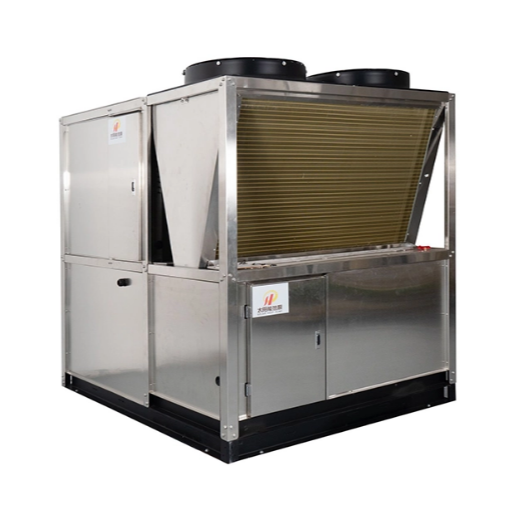
You want to save money when you buy a new heating system. Air source heat pumps cost less to install than water source heat pumps. This makes them a smart choice if you have a tight budget. You do not need to pay for digging or special water connections. Most homeowners find air source heat pumps more affordable at the start.
Here is a quick look at the average upfront costs:
Heat Pump Type | Upfront Cost Range |
|---|---|
Water Source Heat Pump | $15,000 - $25,000 |
Air Source Heat Pump | $8,000 - $15,000 |
Tip: Air source heat pumps usually cost 20-40% less than water source systems. You can use your savings for other home upgrades.
You want a system that does not take long to set up. Air source heat pumps install quickly. Most jobs finish in 4 to 8 hours. You do not need to dig or build special rooms. The installer places the outdoor unit near your house and connects it to your indoor system. This simple process means less mess and less time without heat or cooling.
Air source heat pumps usually take only one day to install.
You do not need a water source or extra space for equipment.
Note: Fast installation means you get comfort sooner and avoid long disruptions at home.
You want a heating system that fits your home. Air source heat pumps work in many types of houses. You can choose a central system if you have ductwork. If you do not have ducts, you can pick ductless mini-splits. These systems heat or cool single rooms or zones. You control the temperature in each area for better comfort.
Type of System | Description | Ideal Use Case |
|---|---|---|
Central Heat Pumps | Uses ducts to move air through the home. | Large homes with existing ductwork. |
Ductless Mini-Splits | Moves heat to rooms without ducts. You control each zone easily. | Small homes or homes without ducts. |
Callout: Air source heat pumps give you options. You can find a model that matches your home’s size and layout.
Installing a water source heat pump is not easy. You need to plan carefully and hire skilled workers. The system must connect to a water source like a well, lake, or river. This step takes more time and costs extra money. Your building needs space for mechanical rooms and equipment. The ceiling must be high enough, and ductwork must fit the system.
For large buildings, you work with engineers and local officials. You need permits and inspections, which add more steps. Sometimes you dig or drill to reach the water source. This work can disturb your property for days. You also need regular maintenance, so parts must be easy to reach.
Tip: Check your building’s layout and local rules before you start. This helps you avoid delays and extra costs.
You must meet certain site needs for a water source heat pump. Not every property can use this system. It works best if you have a steady, clean water source nearby. If you do not have a lake, river, or well, you may need a different heat pump.
The table below shows what you need for installation:
Requirement Type | Details |
|---|---|
Installation Complexity | You need access to mechanical rooms, ceiling height, and ductwork that fits. |
Maintenance Access | Units should have panels you can remove and parts you can reach easily. |
Service Intervals | Maintenance should happen at least two times a year to keep the system working. |
Downtime Impact | Modular systems help reduce problems when you do maintenance. |
Think about future service. Make sure panels are easy to remove and parts are easy to reach. This makes inspections and repairs simple. Regular maintenance, at least twice a year, keeps your system working well. Modular systems help your building stay comfortable during service.
Note: Careful planning and the right site make water source heat pumps a good choice, but you must meet these needs first.
Air source heat pumps do not work as well when it is cold. Cold air does not have much heat, so the system works harder. In cold and wet places, frost can build up on the outdoor coil. This frost blocks the air and makes it harder for the pump to get heat. The heat pump must run a defrost cycle to melt the frost. This uses more energy and makes your bills go up. Sometimes, the system needs backup heating, which uses even more power.
Note: In very cold weather, efficiency drops for three reasons. The system cannot absorb much heat. The defrost cycle uses extra energy. Backup heating also uses more power.
On really cold days, three things hurt efficiency. The pump fights low temperatures, frost, and extra heating needs. You pay more for electricity and get less heat. Air source heat pumps work best where winters are not too cold. If you live somewhere very cold, you may need another heater for comfort.
Condition | Efficiency Impact |
|---|---|
Mild Winter | Moderate efficiency drop |
Cold-Humid Winter | Significant efficiency loss |
Extreme Cold | Triple penalty on efficiency |
You want your heating system to last a long time. Air source heat pumps do not last as long as water source models. Most last about 15 to 20 years. Cold weather, lots of defrost cycles, and heavy use wear out parts faster. You might need to replace the compressor or other parts sooner.
Air source heat pumps need more maintenance.
You may have more repairs as the system gets older.
Replacement costs can add up over time.
Tip: Doing regular maintenance helps your air source heat pump last longer. Clean the filters and coils often to keep it working well.
If you plan to stay in your home for many years, think about how long the system will last and how much care it needs. Air source heat pumps are easy to install and cost less at first, but you may need to save money for repairs or a new unit later.
Businesses need heating that can change as they grow. Modular systems give you this flexibility. Leomon Commercial Heat Pump Water Heater uses a modular design. You can add more units if you need more heat. You can also remove units if you need less. Hotels, hospitals, and factories often have different needs at different times. Modular systems help you handle busy times without wasting energy. If one unit needs service, the others keep working. This means you do not lose hot water.
Tip: Modular systems let you make your heating bigger as your business gets larger. You do not have to buy a whole new system.
Every building is different. Leomon lets you pick the right system for your space. You can choose models for high or low temperatures. You pick the size that fits your building. If you run a hotel, you need hot water fast and in large amounts. Leomon helps you get the right system for your daily needs. You can add more units for busy times. You can use fewer units when things are slow.
Feature | Benefit |
|---|---|
Custom sizing | Fits your building’s needs |
OEM/ODM flexibility | Matches your brand and what you want |
Scalable design | Grows with your business |
You get a system that works for your building. You do not waste money or energy on a system that is too big.
You want a system that is easy to fix and check. Leomon makes units with panels you can open. Technicians can reach parts fast. This saves time when you need maintenance. The system connects to building management systems (BMS). You can check how it works from your computer or phone. You get alerts when something needs service. You can see how much energy you use and change settings to save power.
Callout: Smart controls help you find problems early. You keep your system working well and avoid big repair bills.
Leomon Commercial Heat Pump Water Heater works for hotels, hospitals, factories, and big buildings. You get hot water you can count on, easy service, and smart monitoring. You meet your business needs and use less energy.
You need to look at several important factors before you pick a heat pump. Start by checking your property type. Large buildings like hotels or hospitals need more heating and cooling power. Homes and small offices need less. Think about your climate. Cold regions make air source heat pumps work harder. Water source heat pumps stay efficient in extreme weather.
Budget matters. Air source heat pumps cost less to install. Water source heat pumps save more money over time. You must decide if you want to pay less now or save more later. Look at your available space. Water source systems need mechanical rooms and access to water. Air source systems need only a spot for the outdoor unit.
Tip: Write down your heating and cooling needs. This helps you compare options and find the best fit.
Here is a quick table to help you:
Factor | Water Source Heat Pump | Air Source Heat Pump |
|---|---|---|
Upfront Cost | Higher | Lower |
Long-term Savings | Greater | Moderate |
Installation Ease | Complex | Simple |
Climate Suitability | All climates | Mild climates |
Space Requirements | More space needed | Less space needed |
You can use these examples to guide your choice:
If you own a hotel, you need steady hot water and strong heating. Water source heat pumps work best.
If you live in a single-family home, you want easy installation and lower cost. Air source heat pumps fit your needs.
If you manage a factory, you need reliable performance and energy savings. Water source heat pumps offer both.
If you run a small office in a mild climate, you can use an air source heat pump for comfort and savings.
Note: Always check your site and budget before you decide. You get the best results when you match the heat pump to your needs.
You make a smart choice when you look at your building, climate, and budget. You get comfort, savings, and reliability.
You might want to know how these two heat pumps are different. This table helps you compare them quickly. It can help you pick the right heat pump for your needs.
Feature | Water Source Heat Pump | Air Source Heat Pump |
|---|---|---|
Upfront Cost | Higher | Lower |
Installation | Complex, needs water source | Simple, needs outdoor space |
Efficiency | Very high, steady all year | Good, drops in cold weather |
Lifespan | 20–25 years | 15–20 years |
Maintenance | Needs regular service, less wear | Needs more checks, wears faster |
Climate Suitability | All climates | Best in mild climates |
Space Needs | Needs mechanical room, water access | Needs only outdoor unit |
Best For | Hotels, hospitals, factories | Homes, small offices |
Energy Savings | High, long-term savings | Moderate, depends on weather |
Flexibility | Modular, scalable for big buildings | Flexible for homes, easy upgrades |
Tip: Think about your building size, weather, and money before you decide. Water source heat pumps are best for big buildings and places that need hot water all the time. Air source heat pumps are good for homes and small offices where winters are not too cold.
This table shows the most important things to compare. Water source heat pumps give you better efficiency and save more money over time. Air source heat pumps cost less at first and are simple to put in. Pick the one that matches your needs for the best results.
You now know water source heat pumps work best for hotels, hospitals, and factories. Air source heat pumps fit homes and small offices. For your project, check your building size, climate, and budget. You can look for financing options like low-interest loans or government incentives to help with costs. Always talk to a professional for system sizing and proposals. Leomon offers strong solutions for demanding places. Make sure you choose the right system for your needs.
You use water source heat pumps to get heat from water. Air source heat pumps take heat from the air outside. Water source models work better in big buildings. Air source models fit homes and small offices.
You need a steady water source near your building. If you do not have a lake, river, or well, you cannot use a water source heat pump. Air source heat pumps work almost anywhere.
You should schedule maintenance at least two times each year. Regular service keeps your system running well. Clean filters and check parts often. This helps you avoid big repairs.
You get strong performance and steady hot water with water source heat pumps. These systems handle high demand in hotels, hospitals, and factories. Modular designs help you scale up as your business grows.


